Best Places to Visit in Puglia Italy


One week in Puglia
Crafting the perfect Puglia holiday can be an exhilarating journey in itself. If you're considering Puglia for your next adventure, look no further. This comprehensive guide presents a one-week itinerary that encompasses the best places to visit in Puglia — and even nearby Matera, the stunning cave city just across the border in Basilicata. Let’s dive in!
Heads up: this page may include affiliate links. By clicking and/or purchasing, I may receive a small commission at no extra cost to you. I only recommend tools I have personally vetted.
Practical Information
Location
Situated at the very tip of Italy’s heel, Puglia is a sun-soaked region of southern Italy known for its whitewashed towns, baroque architecture, crystal-clear waters, and a coastline that stretches between the Adriatic and Ionian seas. Unlike Italy’s classic tourist hotspots of Rome, Florence, or Venice, Puglia offers a slower pace, authentic charm, and a strong local identity rooted in traditions, music, and food.
Transportation & Exploration
🚶♂️ On Foot: Charming towns like Lecce, Otranto, and Gallipoli are best explored on foot. Narrow cobblestone streets, lively piazzas, and ornate churches are all within walking distance.
🚆 By Train & Bus: Puglia is connected by the regional Ferrovie del Sud Est trains and buses, which link Lecce to coastal towns and smaller villages. Tickets are inexpensive but schedules can be limited—ideal for slow travelers without a car.
🚗 By Car: The best way to explore Puglia is by car. Having your own vehicle allows you to hop between beaches, olive groves, and hidden villages at your own pace.
👉 Rental cars🔗 are available in Lecce, Brindisi, and Bari.
✈️ By Plane: The nearest airports are Brindisi Airport (Salento Airport, BDS)🔗, just 45 minutes from Lecce, and Bari Airport (BRI)🔗, about 2 hours away. Both offer car rentals, buses, and train connections to Salento.
🛥️ Guided Excursions: If you prefer not to drive, plenty of guided day trips are available:
👉 Brindisi: Alberobello, Locorotondo & Ostuni Tour with Brunch🔗
👉 Tour di Alberobello e Matera in bus privato da Bari🔗 (available in English)
Weather
Salento enjoys a classic Mediterranean climate, with hot summers and mild winters.
- ☀️ Summer (June–August): Hot and dry, with temperatures ranging from 28°C to 35°C (82°F to 95°F). Perfect for beach lovers.
- 🍂 Autumn (September–November): Warm seas and fewer crowds, with 18°C to 28°C (64°F to 82°F). Great for hiking and food festivals.
- ❄️ Winter (December–February): Mild and quiet, usually 8°C to 15°C (46°F to 59°F). Some coastal towns feel sleepy, but Lecce stays lively.
- 🌸 Spring (March–May): Temperatures between 15°C and 24°C (59°F to 75°F). A wonderful time to enjoy wildflowers, festivals, and outdoor activities without the summer heat.
Accommodation
Puglia offers a wide variety of stays, from seaside resorts to rustic masserie (traditional farmhouses) and charming B&Bs in historic towns.
👉 For my stay, when possible, I chose a family-run "agriturismo" just outside the main towns. I was looking for laid-back vibes and delicious homemade breakfasts, and it turned out to be the perfect balance between relaxation and easy access to the coast. The only trade-off is that you’ll need to drive a bit more—but the peaceful setting makes it well worth it:
- Brindisi: La maison de Monet 🅱️ Booking 🔗 🆃 Trip.com 🔗🦉 Tripadvisor 🔗
- Otranto: La casa del peperoncino 🅱️ Booking 🔗 🦉 Tripadvisor 🔗
- Nardò: Residenza Casa Arse🅱️ Booking 🔗🦉 Tripadvisor 🔗
- Matera: Le Casette 🅱️ Booking 🔗 🆃 Trip.com🔗
- Bari: Valentino 🅱️ Booking 🔗 🆃 Trip.com🔗
- Castellana Grotte: Semiramide Palace Hotel 🅱️ Booking 🔗 🆃 Trip.com🔗 🦉 Tripadvisor 🔗
- Ostuni: Vico Trieste 🅱️ Booking 🔗
Puglia travel itinerary
Lecce
Lecce is often called the “Florence of the South” thanks to its elegant Baroque architecture and compact historic center, perfect to explore on foot.
Below is a walking route to help you visit the city in a logical and efficient way.
Piazza Sant’Oronzo
Start your visit in the heart of the city, Piazza Sant’Oronzo. It’s the most lively square in Lecce and a natural starting point for exploring the old town.
Here, modern cafés and everyday life sit right next to ancient history, including the partially visible Roman Amphitheatre embedded in the square.
Piazza del Duomo
From there, the atmosphere shifts as you enter Piazza del Duomo, one of the most beautiful enclosed squares in Italy.
Unlike typical open squares, this one feels almost theatrical — surrounded on all sides by cathedral, bell tower, and historic buildings that create a sense of quiet harmony.
✨ It’s especially magical in the late afternoon when the light softens the stone colors.

Basilica di Santa Croce
Walking deeper into the historic center, you eventually arrive at one of Lecce’s most iconic landmarks.
The Basilica di Santa Croce is overwhelming in its detail. The façade feels almost like stone lacework, carved with incredible precision in the warm local limestone that gives the city its golden tone.
It’s one of those places where you naturally stop for a few minutes just to take it all in.

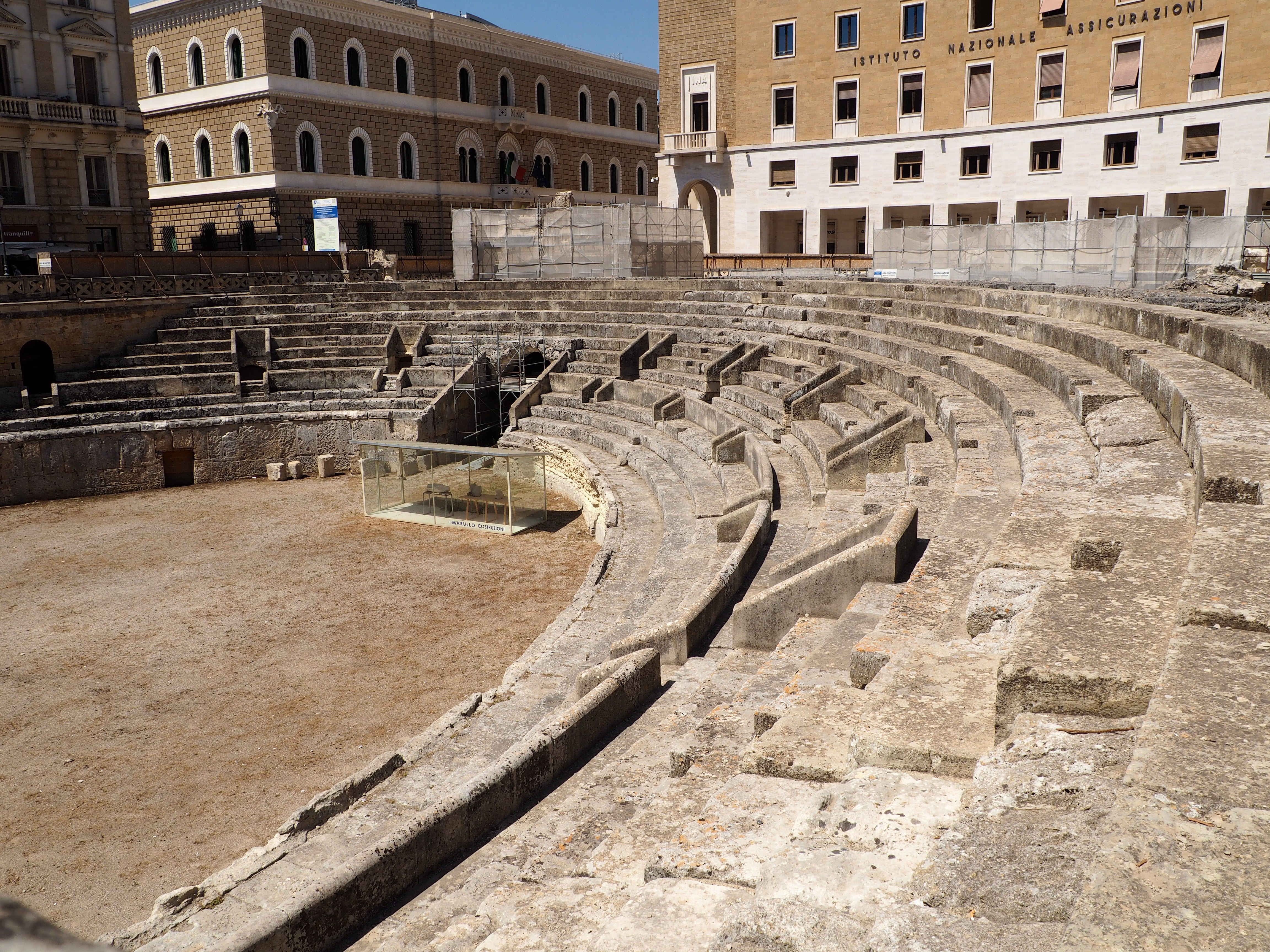
Roman Amphitheatre
Just a few steps away, the city suddenly reveals its Roman past. The amphitheatre emerges almost unexpectedly from the urban fabric, giving you a glimpse of how deeply layered Lecce’s history is.
It’s not a large site, but it’s impressive for how naturally it blends into the modern square.
Castello Carlo V
A short walk brings you to Castello Carlo V, a Renaissance fortress that now hosts exhibitions and cultural events.
It feels slightly more spacious and calm compared to the narrow streets of the old town, making it a nice place to slow down for a moment while exploring.
Church of Santa Chiara
A little further on, the Church of Santa Chiara offers a more intimate experience of Lecce’s Baroque style.
Inside, the atmosphere is quieter and more reflective, with richly decorated interiors and a small cloister that feels almost hidden from the rest of the city.

⏱️ How Much Time to Spend in Lecce
- 2–3 hours → quick highlights
- 1 full day → ideal for a complete visit
- 2 days → slow travel with cafés and atmosphere
☕ Coffee in Lecce
✨Particularly in Lecce, there is also a strong coffee culture. I highly suggest stopping by any "bar" and ordering a plain Espresso or a coffee with ice (caffè con ghiaccio), which is a local specialty. You can order it either with or without almond milk. Add a Pasticciotto to go with the coffee.
👉 You can find this specialty: Quart'a Caffè Pacamara🔗 or Caffé Avio🔗

🍽️ Quick Local Food Option: Puccia
In Lecce, for a quick lunch bite, you can eat a Puccia: it consists of a round, hollowed-out bread filled with various ingredients such as cheese, cured meats, and vegetables.
👉 You can find it at L'angolino di Via Matteotti🔗.

📌 Practical Tips
- The historic center is fully walkable and mostly pedestrian
- Parking is easier outside the old town
- Early morning and late afternoon are best for photos
- Lecce is best enjoyed slowly, without rushing
👉 For a deeper guide to Lecce and its historic center, check out my dedicated article🔗 on what to see and how to visit the city in detail.
Otranto
Otranto is one of those places that instantly feels like summer in Puglia: white stone, blue sea, and a slow rhythm that makes you want to stay longer than planned. It’s a perfect stop on a Puglia road trip when you want a mix of history, sea views, and easy coastal vibes.
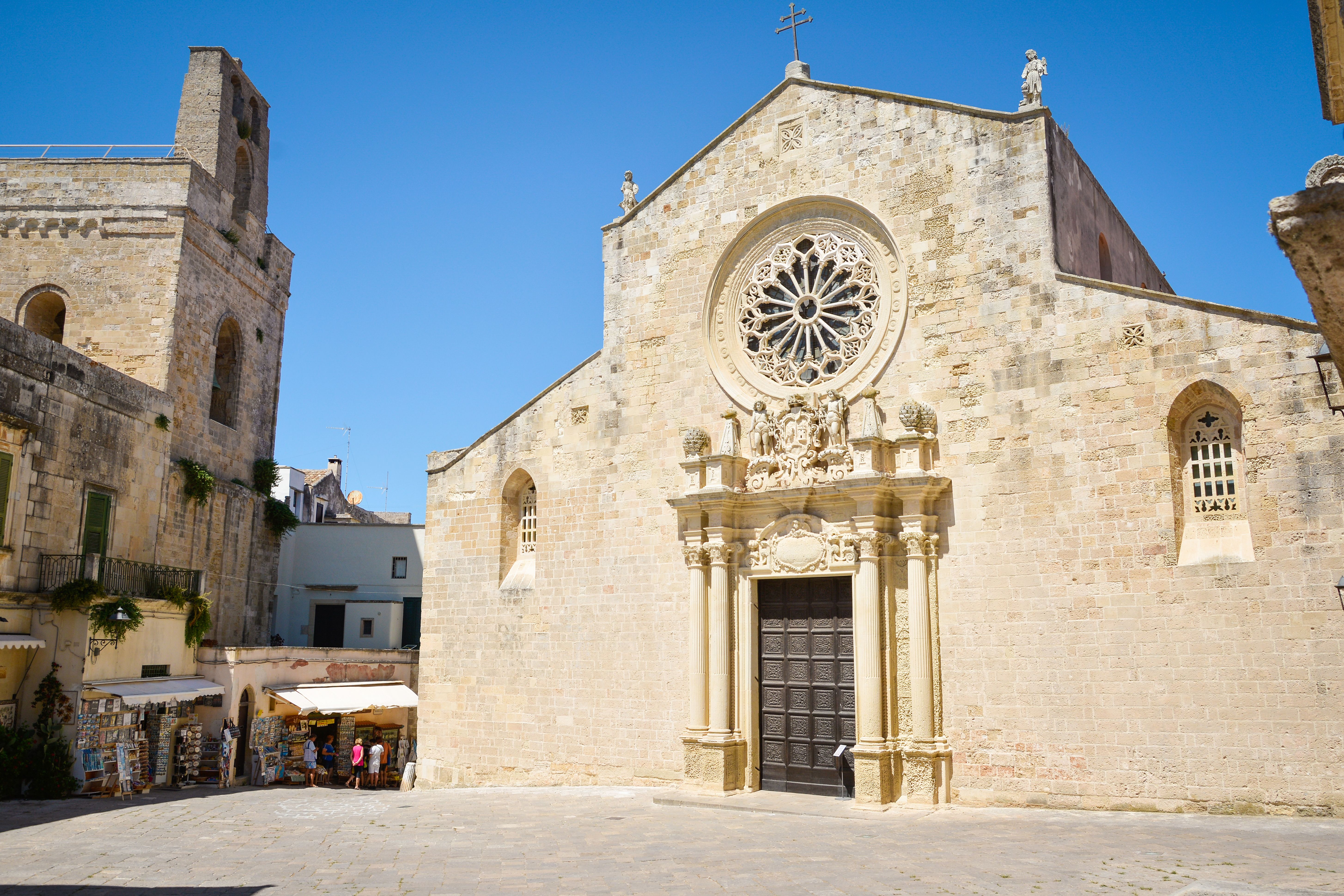
Cathedral of Otranto
The heart of the town is its cathedral, home to one of the most fascinating mosaic floors in Italy. It feels almost like a giant storybook laid out on stone, with symbols, scenes, and details that reward slow looking rather than quick visits.
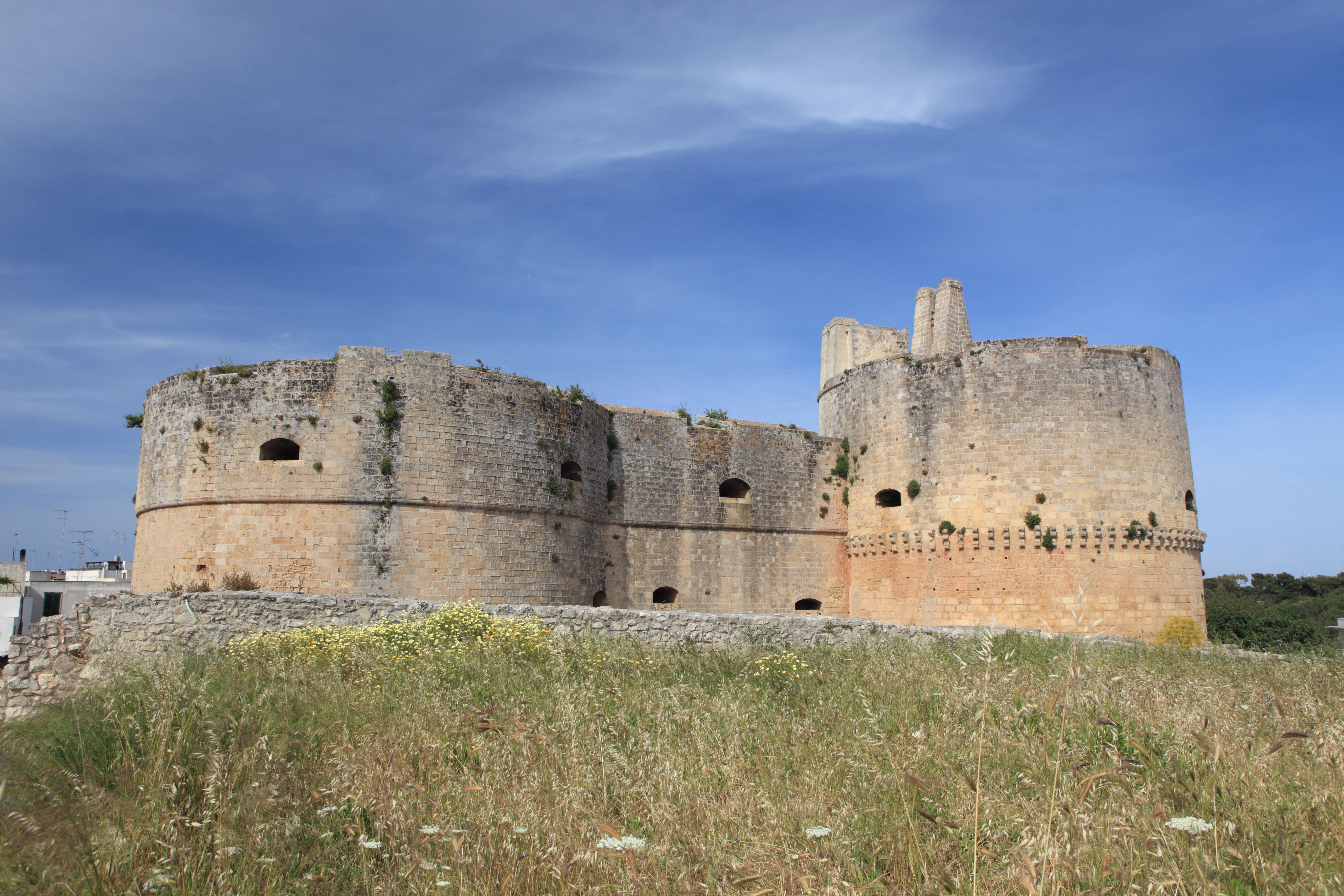
Castello Aragonese
Just a few steps from the sea, the castle feels tightly connected to the town itself. Walking around it gives you a sense of Otranto’s past as a coastal stronghold, but also some of the best views over the rooftops and the water.
Otranto Historic Center
The old town is the kind of place you don’t really “visit” — you get lost in it. Narrow lanes, whitewashed walls, small balconies, and quiet corners make it ideal for slow wandering with no real plan.

Waterfront Walk
Down by the harbor, life slows down even more. Fishing boats, soft sea light, and cafés facing the water make it a great spot to just sit for a while and watch the town move.

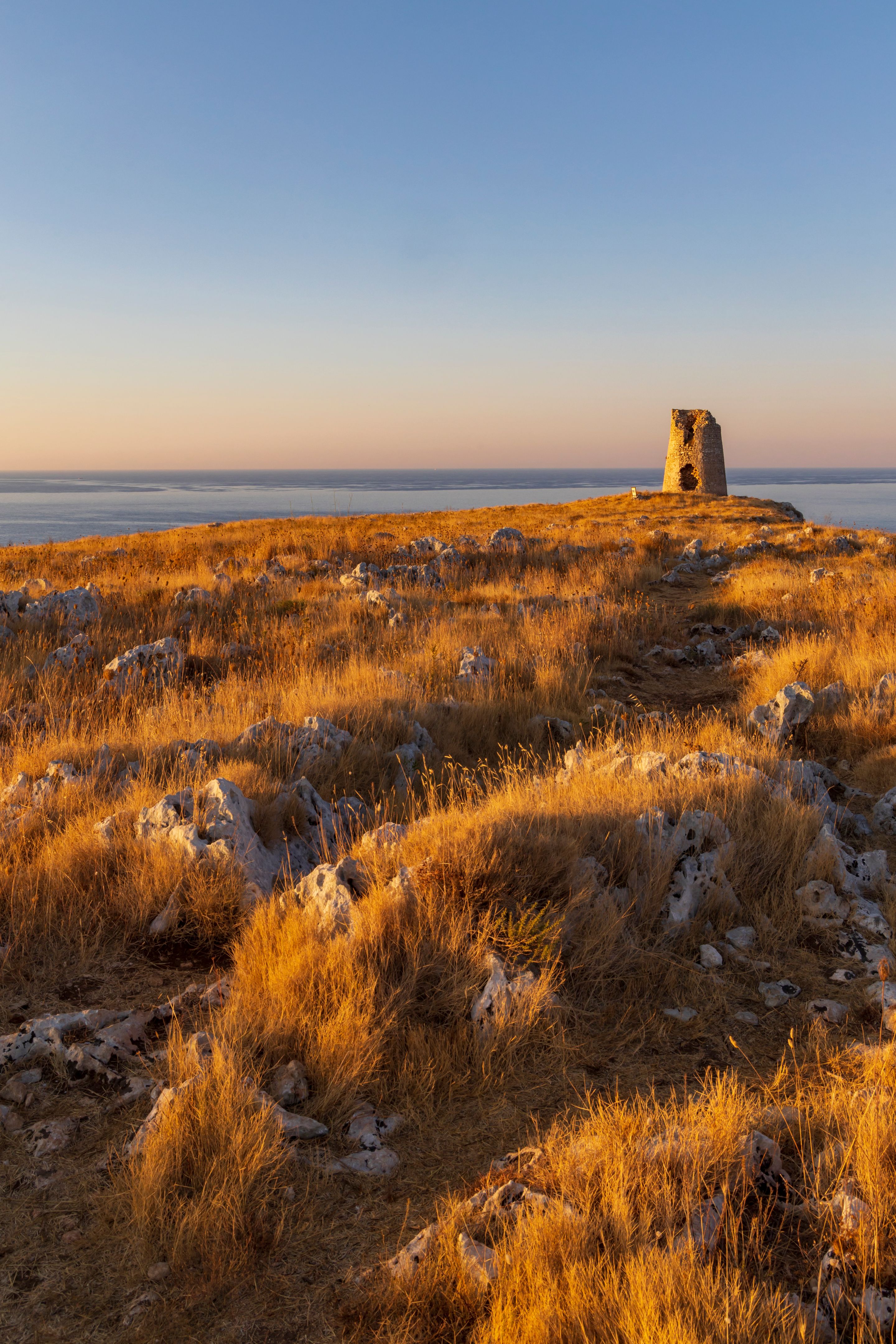
Torre Sant'Emiliano
Visit this historic watchtower, located just outside of Otranto's city center. Built in the 16th century, it offers panoramic views of the coastline and surrounding countryside.
Beaches
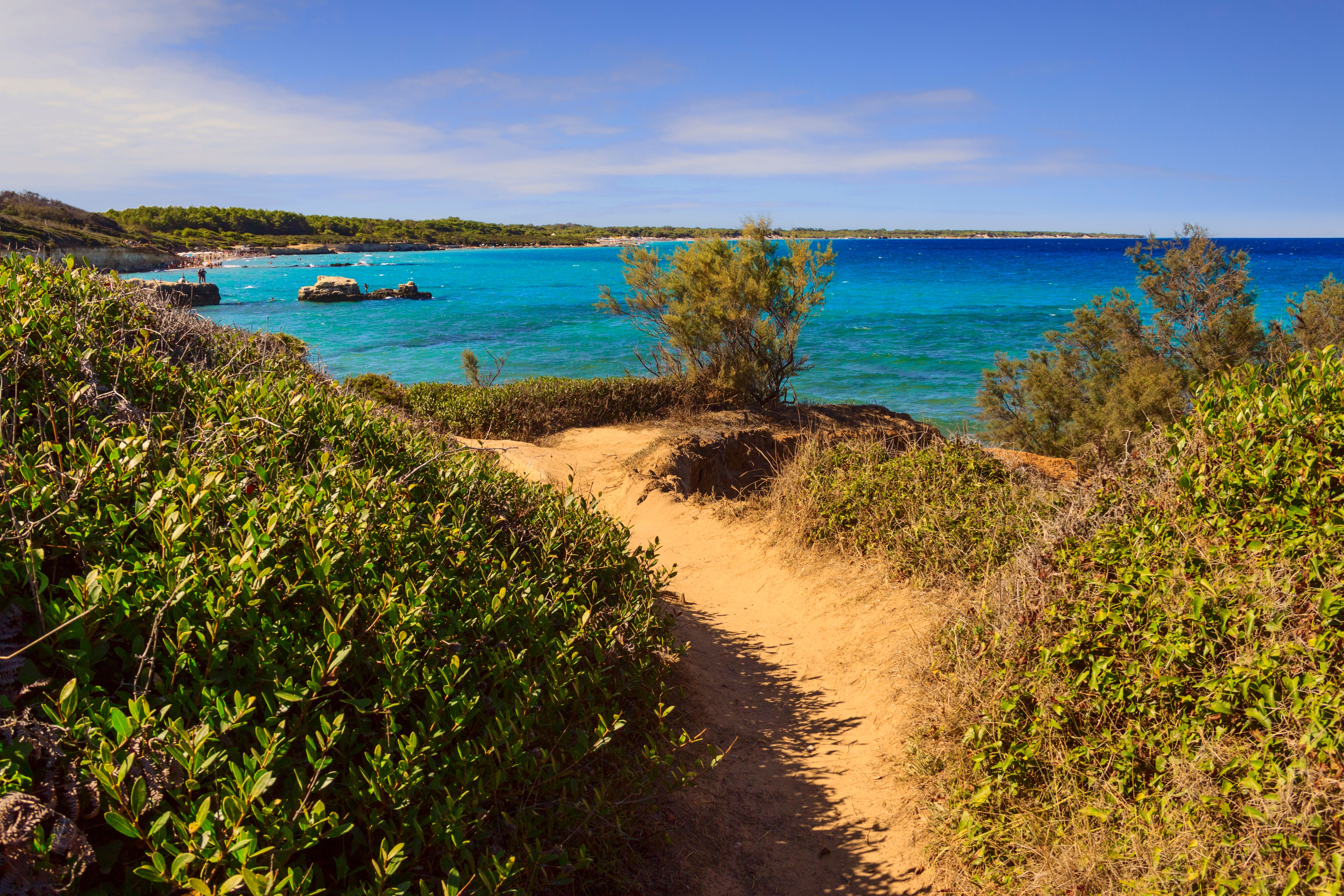
Spend some time relaxing on one of Otranto's beautiful beaches, such as Baia dei Turchi🔗 or Porto Badisco🔗. With crystal-clear waters and scenic surroundings, these beaches are perfect for swimming, sunbathing, and water sports.
✨ I can’t recommend Baia dei Turchi enough. The beach is wide and spacious, with stunning crystal-clear water. There are a few lidos, but not too many — keeping the atmosphere quite natural and wild.
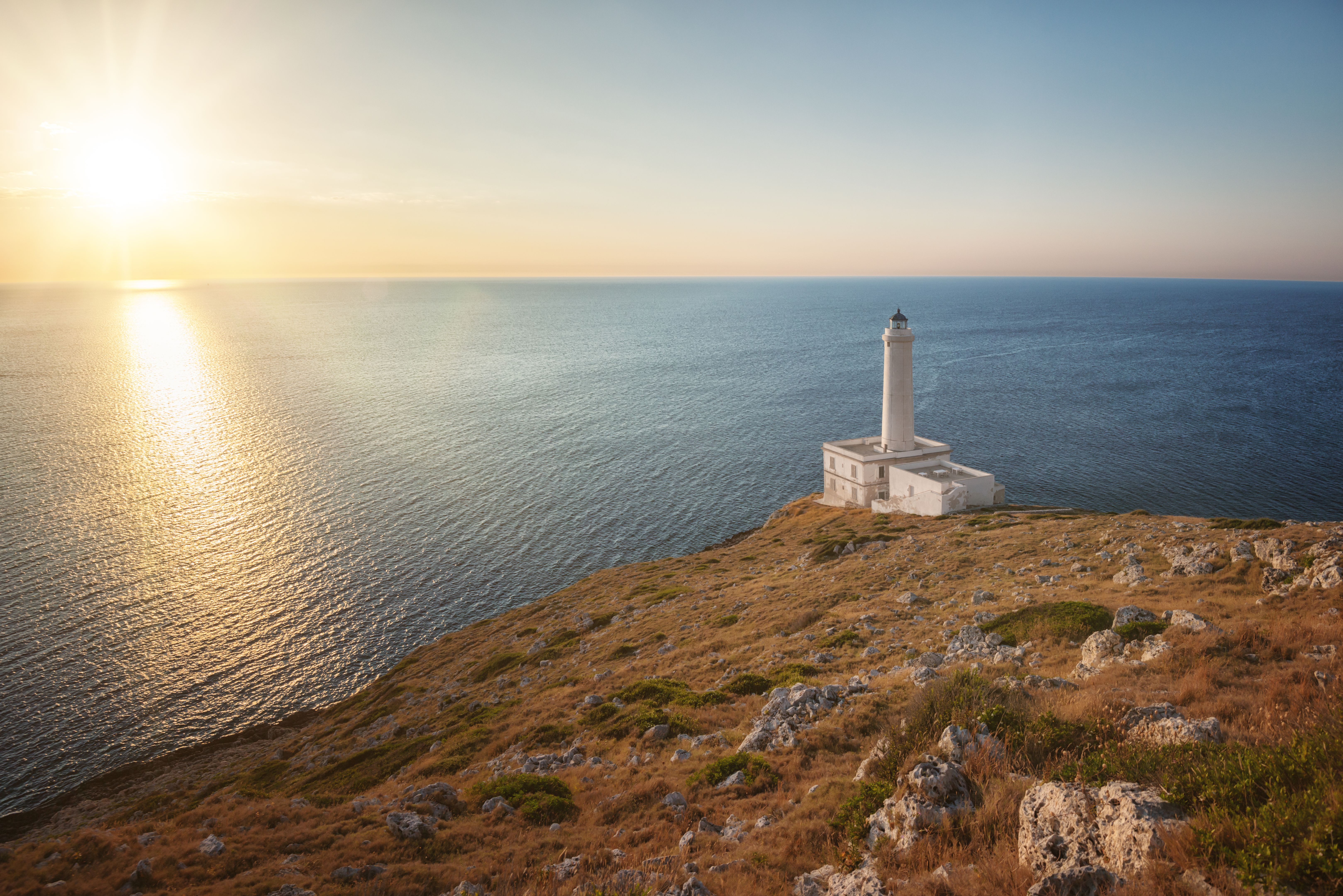
Lighthouse of Punta Palascìa
Visit the easternmost point of Italy and see the iconic white lighthouse standing atop the cliffs. It's a great spot to watch the sunrise or simply enjoy the breathtaking coastal views at sunset.
👉 A boat tour is always a great way to discover hidden coves and swim in crystal-clear waters. I recommend taking one🔗 from Otranto — many tours include refreshing swim stops and even an aperitivo on board.
📌 Practical Tips
- Otranto is best enjoyed slowly, combining the old town with some beach time
- Late afternoon is perfect for both the historic center and the waterfront
- In summer, beaches are quieter early in the morning or later in the day
- If you have time, combine Otranto with nearby coastal stops for a full day
👉 If you want to explore it in more detail, including viewpoints, food spots, and tips, you can read my full Otranto travel guide🔗
Gallipoli
Gallipoli has a slightly different energy compared to other towns in Salento. It feels more local, more lived-in, and deeply connected to the sea — less about monuments and more about atmosphere.
It’s a great stop if you want to slow down, walk by the water, and spend time at some of the best beaches in the area.
Gallipoli Old Town (Centro Storico)
Gallipoli’s old town sits on a small island connected to the mainland, surrounded by ancient walls and completely embraced by the sea.
Walking through it is simple and enjoyable — narrow streets, small squares, and sudden views over the water make it a place to explore without a plan.

Cathedral of Sant’Agata
In the heart of the old town, the cathedral stands out with its elegant Baroque façade. Inside, the atmosphere feels rich and decorative, offering a contrast with the simplicity of the surrounding streets.
Castello di Gallipoli
At the entrance of the historic center, the castle marks the transition between the newer part of town and the old island. It reflects Gallipoli’s long history as a coastal defense point and adds a strong character to the overall setting.
Beaches near Gallipoli
Gallipoli is especially known for its coastline.
Close to town, you’ll find long sandy beaches, while a short drive takes you to more scenic spots like Punta della Suina or Porto Selvaggio, where the landscape becomes wilder and more natural.
👉 You can check out my full article on Top Beaches to Visit in Salento🔗


👉 A boat tour from Gallipoli is a fantastic way to uncover secluded beaches and admire the coastline from the sea. Many excursions include swim stops in turquoise waters and end with a chilled aperitivo on board. I suggest this one🔗.
📌 Practical Tips
- Gallipoli is more about atmosphere and beaches than major landmarks
- The old town is small and easy to explore in a short time
- It works best combined with nearby beaches rather than as a full-day cultural stop
- Plan time for the coast — it’s the real highlight of the area
👉 For a deeper guide to Gallipoli and its beaches, check out my dedicated article🔗 on what to see and how to visit the city in detail.
Matera
Although Matera is technically in the Basilicata region, it’s most easily reached from Puglia. Famous for its ancient cave dwellings and breathtaking architecture, Matera offers a wealth of fascinating sights and experiences to explore.
Sassi di Matera
The Sassi are the heart of Matera and the reason most people visit. These ancient cave neighborhoods, carved directly into the limestone, create a landscape unlike anywhere else in Italy.
Walking through them feels almost surreal — a mix of narrow alleys, stone houses, and layers of history that unfold as you move through the city.

Matera Cathedral
Located on the highest point of the old town, the cathedral overlooks the Sassi and offers a great sense of the city’s layout.
It’s worth a short stop, especially for the views around it.

Panoramic Viewpoints
One of the best things to do in Matera is simply to stop and look.
✨ There are several viewpoints overlooking the Sassi and the surrounding valley, and the light at sunset makes the entire landscape even more dramatic.
👉 If you want to explore it in more detail, including viewpoints, cave churches, and practical tips, you can read my full Matera travel guide🔗

Piazza Vittorio Veneto
At the edge of the historic center, this square feels more modern and lively, with cafés and local life. It’s a good place to take a break before or after exploring the Sassi.
👉 Where I stayed in Matera (with parking spot): Le Casette🔗
📌 Practical Tips
- Matera is best explored on foot — expect stairs and uneven paths
- It’s more about atmosphere and walking than ticking off attractions
- Sunset is one of the best moments to experience the city
- Even a half-day visit can be enough, but staying longer allows you to slow down
Bari
Bari, the capital of Puglia, is a lively coastal city where history, local traditions, and everyday life blend together. It’s often seen as just a gateway to the region, but it’s actually worth slowing down and exploring, especially if you want a more authentic feel of southern Italy.
Bari Vecchia (Old Town)
The historic center is the most fascinating part of the city, a maze of narrow streets and small squares where life happens outdoors.
Walking through Bari Vecchia, you’ll see locals chatting, cooking, and going about their day — it feels real and unfiltered. The best way to experience it is without a plan, just wandering and letting the atmosphere guide you.

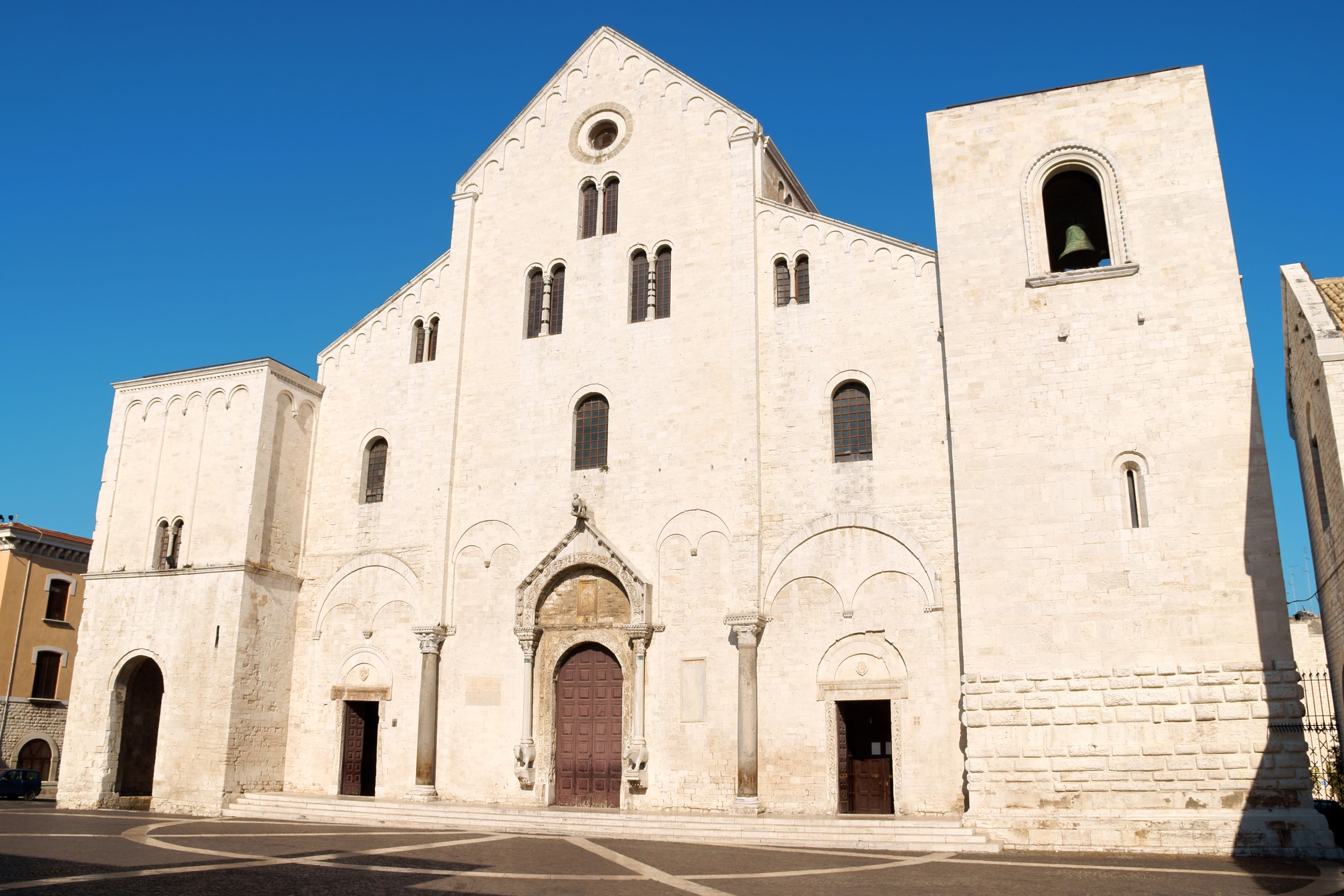
Basilica di San Nicola
This is one of the most important landmarks in Bari and a major pilgrimage site dedicated to Saint Nicholas.
Even if you’re not particularly interested in religious sites, it’s worth stepping inside for its calm atmosphere and historical significance, which plays an important role in the identity of the city.
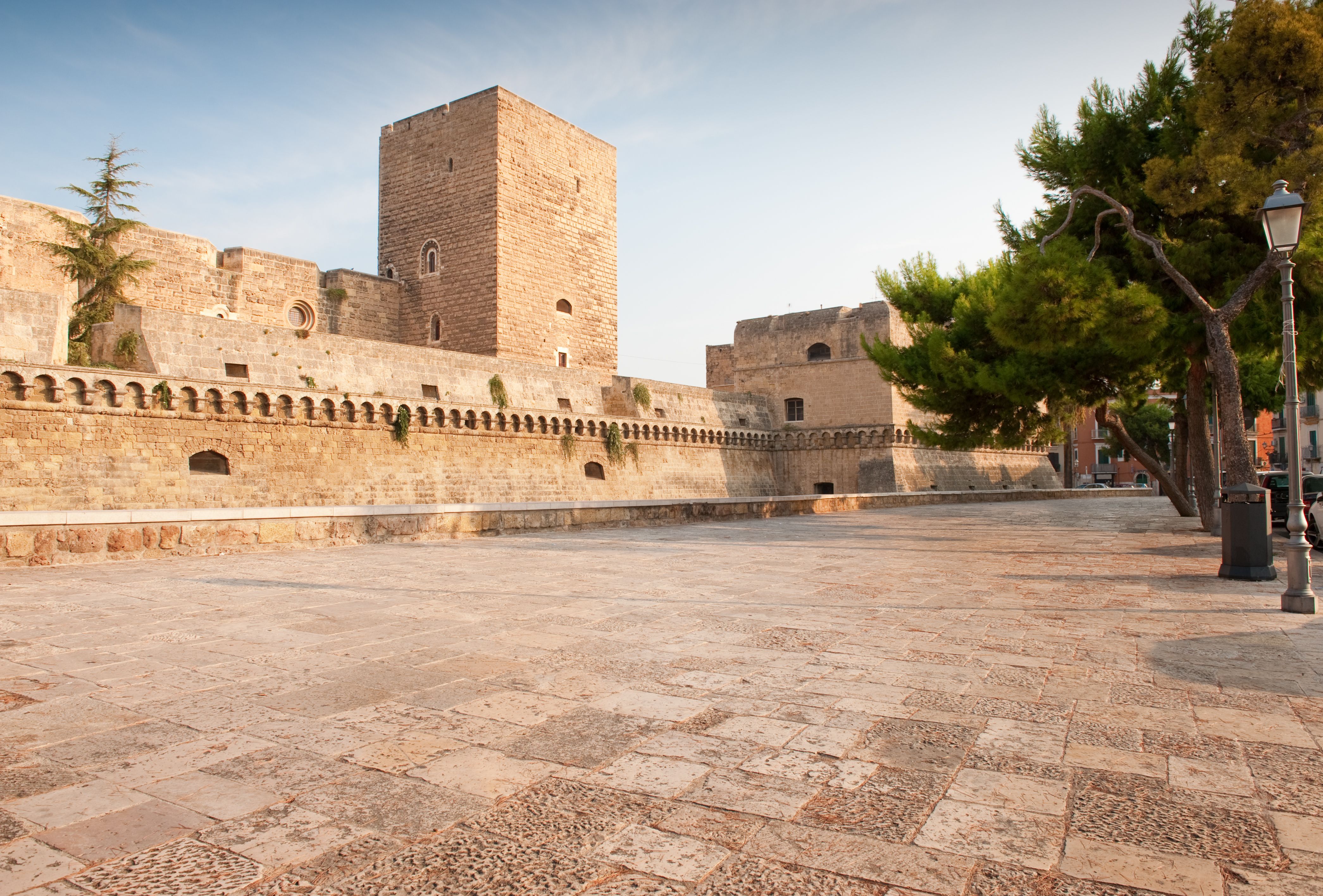
Castello Svevo (Swabian Castle)
Located at the edge of the old town, this large fortress immediately catches your attention.
It reflects Bari’s past as a strategic coastal hub and adds a strong, almost imposing character to the city’s skyline.
Cattedrale di San Sabino (Cathedral of San Sabino)
Often overlooked, this cathedral offers a quieter and more local experience compared to the basilica.
Its Romanesque architecture is simple but elegant, and it’s a good stop if you want to escape the busier spots.
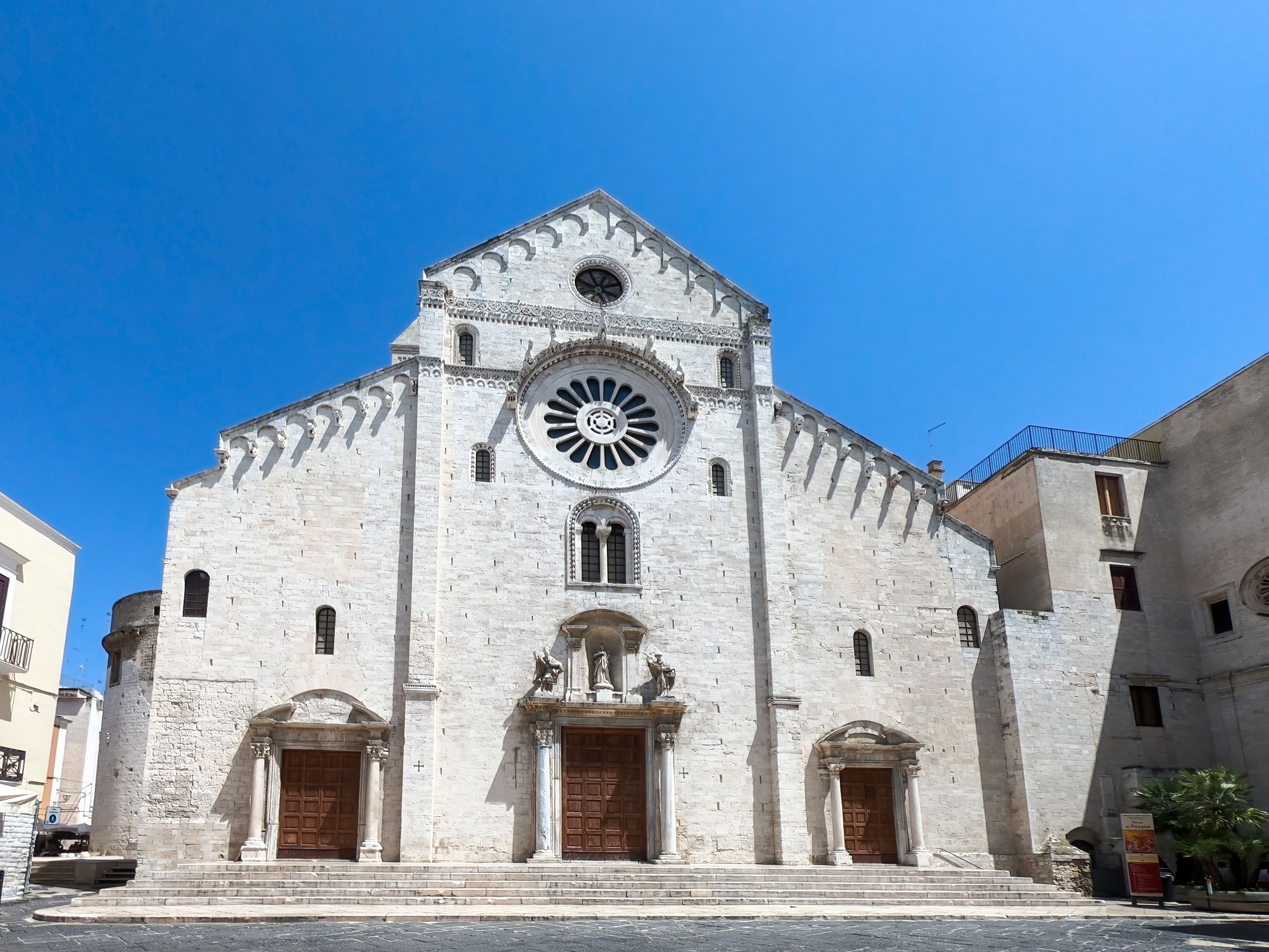
Piazza del Ferrarese
Located at the entrance of the old town, this square is always full of movement.
It’s a great place to pause, grab a coffee, and take in the lively energy of the city before continuing your walk.
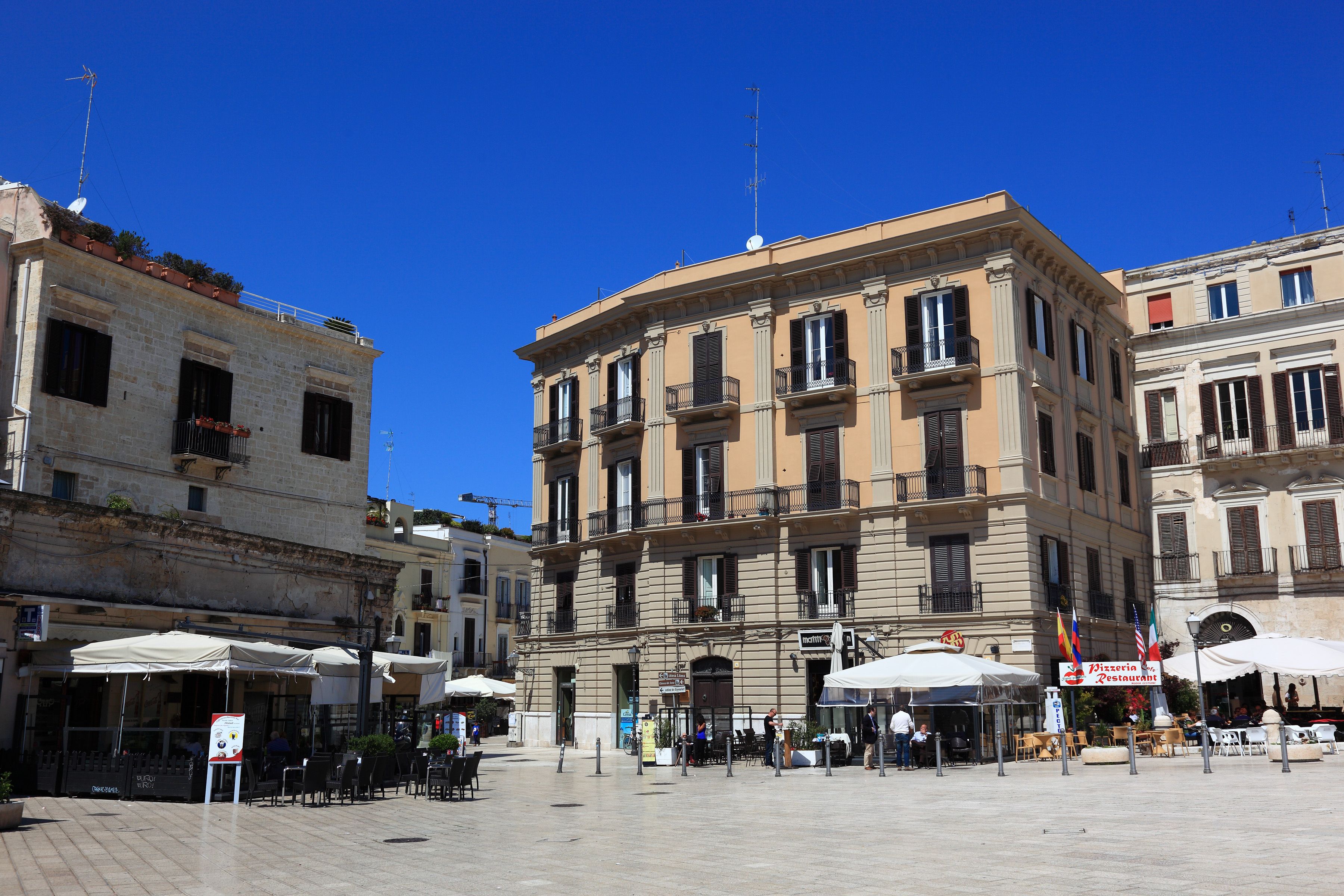
Seafront Promenade
Bari’s lungomare is one of the longest in Italy and perfect for a relaxed walk by the sea.
With palm trees, open views, and locals out for a stroll, it’s especially enjoyable in the late afternoon when the light softens and the atmosphere becomes more relaxed.

La Strada delle Orecchiette
One of the most unique and memorable experiences in Bari is walking along this small street where local women still make orecchiette pasta by hand.
It’s a simple scene, but incredibly authentic — one of those moments that really captures the spirit of Bari and its traditions.

📌 Practical Tips
- Bari is more about atmosphere and local life than ticking off attractions
- The old town is the highlight — take your time to explore it slowly
- It works well as a starting point or base for a Puglia itinerary
- The seafront is best enjoyed in the late afternoon or at sunset
👉 Bari is an excellent base for exploring the nearby cities. If you don’t have enough time to visit them on your own, you can easily join a day tour from Bari, such as the ones listed below:
- Tour di Alberobello e Matera in bus privato da Bari🔗
- Polignano a Mare: Speedboat Cruise to Caves with Aperitif🔗
👉 If you want to explore it in more detail, including food spots and local experiences, you can read my full Bari travel guide🔗
Polignano a Mare
Polignano a Mare is one of the most iconic spots in Puglia, known for its dramatic cliffs, turquoise water, and postcard-perfect views. It’s a small town, but the setting alone makes it one of the most memorable stops along the coast.
Old Town (Centro Storico)
The historic center sits right on the edge of the cliffs, with narrow streets, whitewashed buildings, and terraces overlooking the sea.
It’s the kind of place where you’ll want to walk slowly, stop often, and enjoy the views that suddenly open up between the buildings.
Ponte Lama Monachile
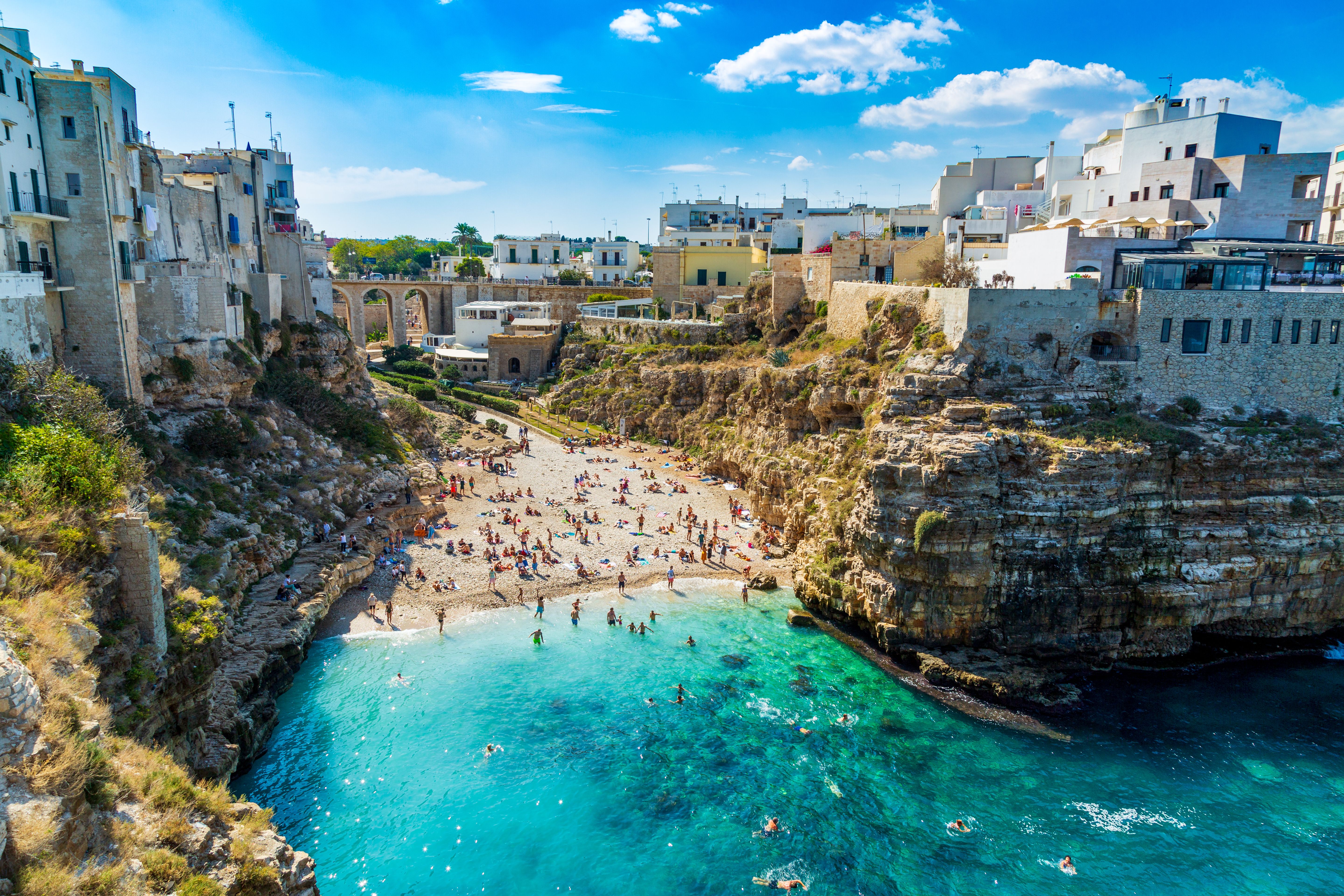
This is one of the most famous viewpoints in Polignano a Mare.
The bridge overlooks the iconic cove below and offers a perfect view of the cliffs, the beach, and the crystal-clear water — one of the most photographed spots in Puglia.
Lama Monachile Beach
Located right below the town, this small beach is surrounded by high cliffs and turquoise water.
It’s a unique setting, even if it can get quite busy, especially in summer.
Bastione di Santo Stefano
A quiet spot along the edge of the old town, perfect for enjoying wide views over the sea.
It’s especially beautiful around sunset, when the light hits the cliffs and the coastline.

📌 Practical Tips
- Polignano a Mare is small — you can explore it in a few hours
- It’s more about views and atmosphere than major sights
- The best time to visit is early morning or late afternoon to avoid crowds
- Combine it with nearby stops for a more complete day
👉 If you want to explore it in more detail, including viewpoints and local tips, you can read my full Polignano a Mare travel guide🔗
Monopoli
Monopoli is often overlooked compared to nearby Polignano, but it has a more relaxed and authentic feel. With its whitewashed old town, small harbor, and seaside atmosphere, it’s a great place to slow down and enjoy a quieter side of the coast.
Monopoli Old Town (Centro Storico)
The historic center of Monopoli is full of narrow streets, small squares, and white buildings with colorful details.
It’s less crowded than other towns in the area, which makes wandering around feel more local and unhurried.
Monopoli Cathedral
Located in the heart of the old town, the cathedral stands out with its elegant façade and detailed interior.
It’s one of the main landmarks and an easy stop while exploring the center.
Harbor Area
The port is one of the most characteristic parts of Monopoli, with traditional fishing boats and a laid-back atmosphere.
It’s a great place for a walk, especially when the light starts to soften in the late afternoon.

Castello di Carlo V
This fortress sits right by the sea and adds a historical touch to the town’s coastal setting.
It’s a simple stop, but it helps give context to Monopoli’s past as a defensive port.
Piazza Giuseppe Garibaldi
A lively square where local life unfolds, surrounded by cafés and historic buildings.
It’s a good place to pause and take in the everyday rhythm of the town.
Cala Porta Vecchia
Just steps from the old town, this small beach is one of the easiest places to take a break by the sea.
It’s perfect if you want to combine sightseeing with a quick swim.

📌 Practical Tips
- Monopoli is more relaxed and less crowded than nearby Polignano
- It’s ideal for a slower stop focused on atmosphere and seaside walks
- You can easily combine it with other coastal towns in the same day
- Great choice if you want a mix of town + beach without too many crowds
👉 If you want to explore it in more detail, including beaches and local tips, you can read my full Monopoli travel guide🔗
Itria Valley & Murgia of the Trulli
The Itria Valley is one of the most characteristic areas of Puglia, known for its rolling countryside, white villages, and iconic trulli houses scattered across the landscape.
Driving through this region is part of the experience itself — olive groves, dry stone walls, and small towns that feel quiet, authentic, and full of character.
Alberobello
Alberobello is the most famous town in the area, known for its unique trulli — traditional cone-shaped houses that make the whole village feel almost surreal.
Walking through the streets is definitely a unique experience, especially if it’s your first time seeing this type of architecture.
However, it’s also one of the most touristy places in Puglia. While it’s worth a visit, it can feel crowded and a bit commercial, especially during peak season.

Grotte di Castellana
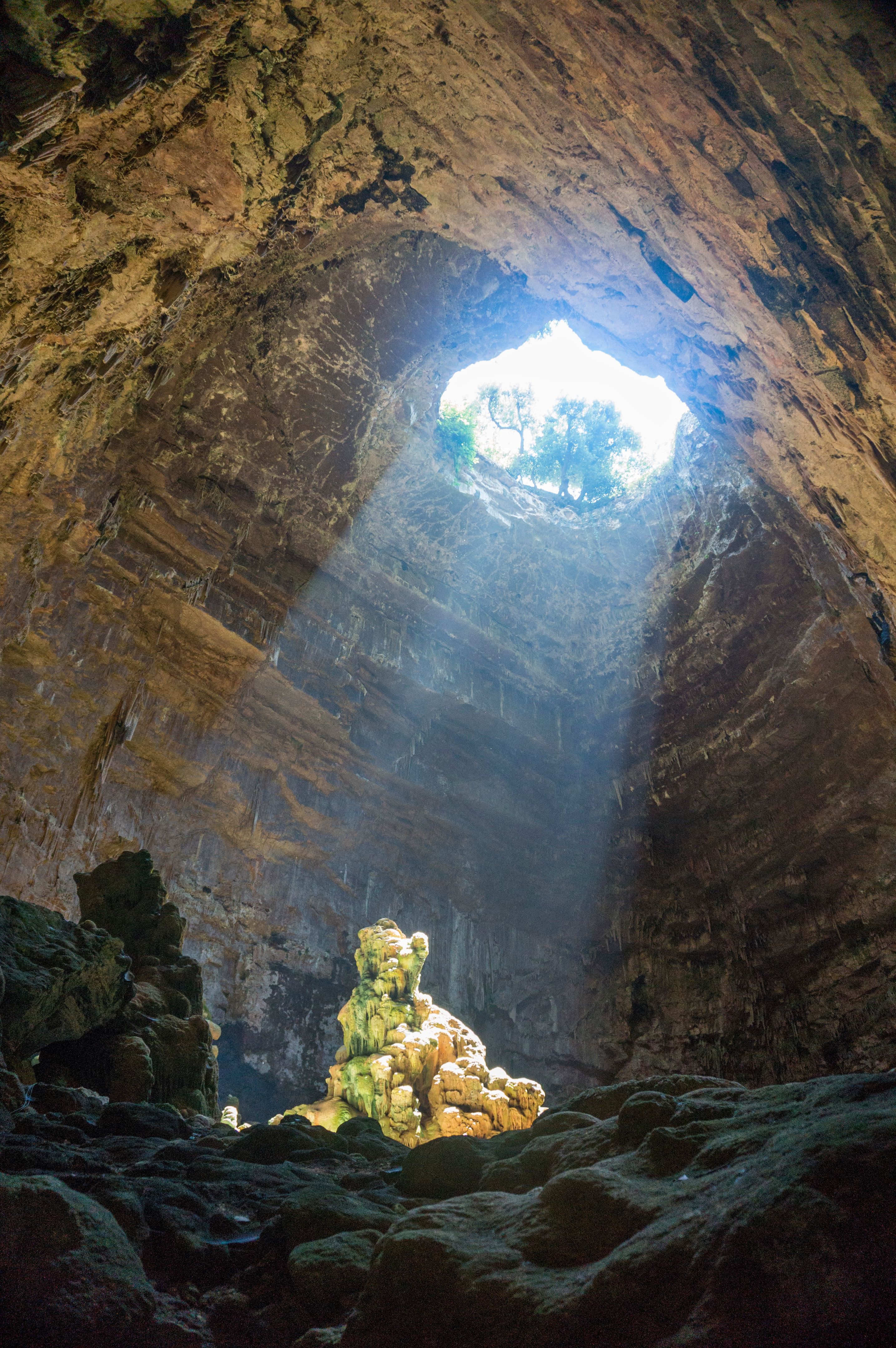
The Grotte di Castellana are one of the most impressive natural attractions in the region.
These underground caves are filled with dramatic rock formations, creating a completely different landscape compared to the towns above ground. Visiting them adds variety to your itinerary, especially if you want a break from villages and coastal views.
Locorotondo
Locorotondo is often considered one of the most beautiful villages in Italy, and it’s easy to see why.
The old town is full of whitewashed houses, flower-filled balconies, and quiet streets that are perfect for a slow walk. Compared to Alberobello, it feels more peaceful and authentic.

Martina Franca
Martina Franca offers a slightly different atmosphere, with elegant Baroque architecture and a more refined feel.
Its historic center is full of ornate buildings, small piazzas, and hidden corners that make it ideal for wandering without a plan.

📌 Practical Tips
- The Itria Valley is best explored by car — distances are short but not well connected
- Each town is small, so you can visit multiple places in one day
- Alberobello is the most crowded — go early or late if possible
- Locorotondo and Martina Franca offer a quieter, more local feel
👉 If you want to explore each town in more detail, including what to see and where to eat, you can check out my dedicated guide🔗.
Ostuni
Ostuni, known as the “White City”, is one of the most iconic towns in Puglia. Its whitewashed buildings rise on a hill overlooking the countryside and the sea, creating a bright and almost glowing landscape, especially under the southern sun.
Old Town
The historic center is the highlight of Ostuni, a maze of narrow alleys, staircases, and white houses that seem to blend into one another.
Walking through it feels both simple and scenic, with small viewpoints opening up over the surrounding countryside.

Ostuni Cathedral
Located at the highest point of the town, the cathedral stands out with its detailed façade and elevated position.
It’s a natural stop while exploring the old town and offers a sense of the city’s structure from above.
Arco Scoppa
This small arch connects two historic buildings and has become one of the most recognizable spots in Ostuni.
It’s a quick stop, but worth it for the views and the atmosphere around it.
Piazza della Libertà
At the base of the old town, this square is lively and full of local energy, with cafés and people moving through it throughout the day.
It’s a good starting point before heading up into the historic center.
Coastline near Ostuni
A short drive from Ostuni takes you to the sea, where you’ll find clear water and a mix of sandy and rocky beaches.
It’s easy to combine a visit to the town with some time by the coast.
✨ Ostuni offers great sunsets, I was lucky to witness one of the most beautiful that I saw in this trip, so make sure to visit during this hour.

📌 Practical Tips
- Ostuni is best explored on foot — expect stairs and uphill walking
- The old town is the main highlight, so take your time there
- Sunset is one of the best moments to visit, when the white buildings glow
- It’s easy to combine Ostuni with nearby beaches or other towns
👉 If you want to explore it in more detail, including viewpoints, food spots, and tips, you can read my full Ostuni travel guide🔗
Puglia is a destination that’s best experienced slowly — not just by visiting places, but by enjoying the rhythm of everyday life, the food, and the landscapes in between. From the cliffs of Polignano a Mare to the white streets of Ostuni and the Baroque beauty of Lecce, every stop adds something different to the journey. If you have more time, consider slowing down and staying longer in fewer places — it’s the best way to truly experience this part of Italy.
Related Articles
| A Local's Guide to southern italy food: Puglia |
| Lecce Puglia One day Itinerary |
| Itria Valley Puglia Italy, A Local's Itineray |
| Best restaurants in Catania Italy |