A local's guide to Langhe region Italy


Langhe region Italy
As someone originally from Turin, Italy, I can confidently say that if you’re looking for a destination beyond the usual tourist routes, the Langhe (Piedmont Italy) is one of the region’s true hidden gems. Rolling hills draped in vineyards, medieval villages perched on hilltops, and sweeping views toward the Alps create a landscape that feels both elegant and deeply authentic. From world-class wines and rich cuisine to slow-paced village life and historic castles, the Langhe offers an immersive Italian experience where tradition, flavor, and scenery come together—far from the crowds and close to the soul of Piedmont.
Heads up: this page may include affiliate links. By clicking and/or purchasing, I may receive a small commission at no extra cost for you. I only recommend tools I have personally vetted.
Practical Information
Location
Located in the Langhe, Piedmont, Italy, this UNESCO-listed area lies in southern Piedmont between Alba, Barolo, and Barbaresco. Far from Italy’s major tourist cities, the Langhe is defined by rolling vineyard-covered hills, medieval villages, historic castles, and a deep-rooted food and wine culture. It’s a destination best enjoyed slowly, where landscapes, traditions, and gastronomy take center stage.
Transportation & Exploration
✈️ By Plane: The closest major airport is Turin Airport (TRN), about 1.5 hours by car. Milan airports (MXP or LIN) are also viable, with a driving time of around 2–2.5 hours.
👉 You can book your plane ticket here🔗.
🚗 By Car: The Langhe is best explored by car. Villages are scattered across hills and countryside, and public transport connections are limited. Having a car allows you to move freely between wineries, viewpoints, small towns, and rural restaurants.
👉 You can book your car on Booking🔗 or on Rentalcars🔗.
🚶♂️ On Foot: Once you arrive in towns like La Morra, Barolo, Monforte d’Alba, or Neive, exploring on foot is ideal. Historic centers are compact, peaceful, and full of panoramic viewpoints, wine bars, and local shops.
🚆 By Train: You can reach Alba by train from Turin (around 1–1.5 hours). From Alba, buses connect to some villages,
⚠️ Schedules are infrequent—renting a car remains the most practical option.
🍷 Guided Tours: If you prefer not to drive, guided wine tours from Alba or other cities are a great alternative. They usually include winery visits, tastings, and transportation, offering insight into local wines and traditions without the logistics hassle.
👉 From Milan: Barolo Wine Tasting & Alba Tour🔗
👉 Turin: Langhe Wine Tour with Private Transfers and Lunch🔗
👉 Wine Tasting and Food Pairings in Langhe and near Alba🔗
Weather
The Langhe enjoys a temperate continental climate, with seasons strongly influencing both landscapes and local experiences.
- ☀️ Summer (June – August): Days with temperatures ranging from 22°C to 30°C. While July and August can be quite hot during the day, the low humidity and gentle evening breezes make outdoor dining among the vines an absolute dream.
- 🍂 Autumn (September – November): Considered the best time to visit, with temperatures between 10°C and 22°C, the hills turn into a mosaic of gold and crimson. This is harvest season, and the air in the villages is thick with the scent of fermenting must and prized white truffles.
- ❄️ Winter (December – February): For a more intimate and atmospheric escape, winter offers temperatures from 0°C to 10 °C. Thick fog often blankets the valleys, creating a mystical landscape that is perfect for cozying up by a fireplace with a glass of Barolo.
- 🌸 Spring (March – May): Mild and refreshing spring sees temperatures climb from 10°C to 20 °C. The vineyards burst into a vibrant green, and wildflowers carpet the hillsides, and you can enjoy the popular sites before the peak summer crowds arrive.
✨ Why Fall is My Top Pick
My personal recommendation is to visit during the autumn months. The air is crisp and comfortable for exploring without the summer heat, and the hills transform into a stunning mosaic of gold and crimson.
This is the region's most vibrant season—the grape harvest is in full swing, and the calendar is packed with world-class wine and food festivals. It remains warm enough for long walks through the vineyards, providing the perfect balance of scenic beauty and seasonal celebrations.
Accommodation
The Langhe offers a wide range of stays, from luxury wine resorts to cozy countryside agriturismi.
✨ In my opinion, Alba is the perfect base for your trip. It offers the best of both worlds: a vibrant town center with world-class dining and easy access to the surrounding hills. However, if you prefer a more secluded experience staying at a remote B&B or Agriturismo nestled in the vineyards is a fantastic alternative.
⚠️ Just keep in mind that a car is essential for exploring the winding roads and smaller villages at your own pace.
Hotel Langhe Alba Italy:
- Luxury: MiaClara Relais 🅱️ Booking 🔗 🆃 Trip.com 🔗🦉 Tripadvisor 🔗
- Mid-Range: Hotel Giacomo Morra Alba 🅱️ Booking 🔗 🆃 Trip.com 🔗 🦉 Tripadvisor 🔗
- Budget: Residence XX Settembre 🅱️ Booking 🔗 🆃 Trip.com 🔗🦉 Tripadvisor 🔗
Langhe Piemonte Italy:
Alba
Often called the "Capital of the Langhe," Alba is a medieval gem famous for its gourmet heritage and distinctive red-brick architecture.
Here are the key things to see and do in Alba:
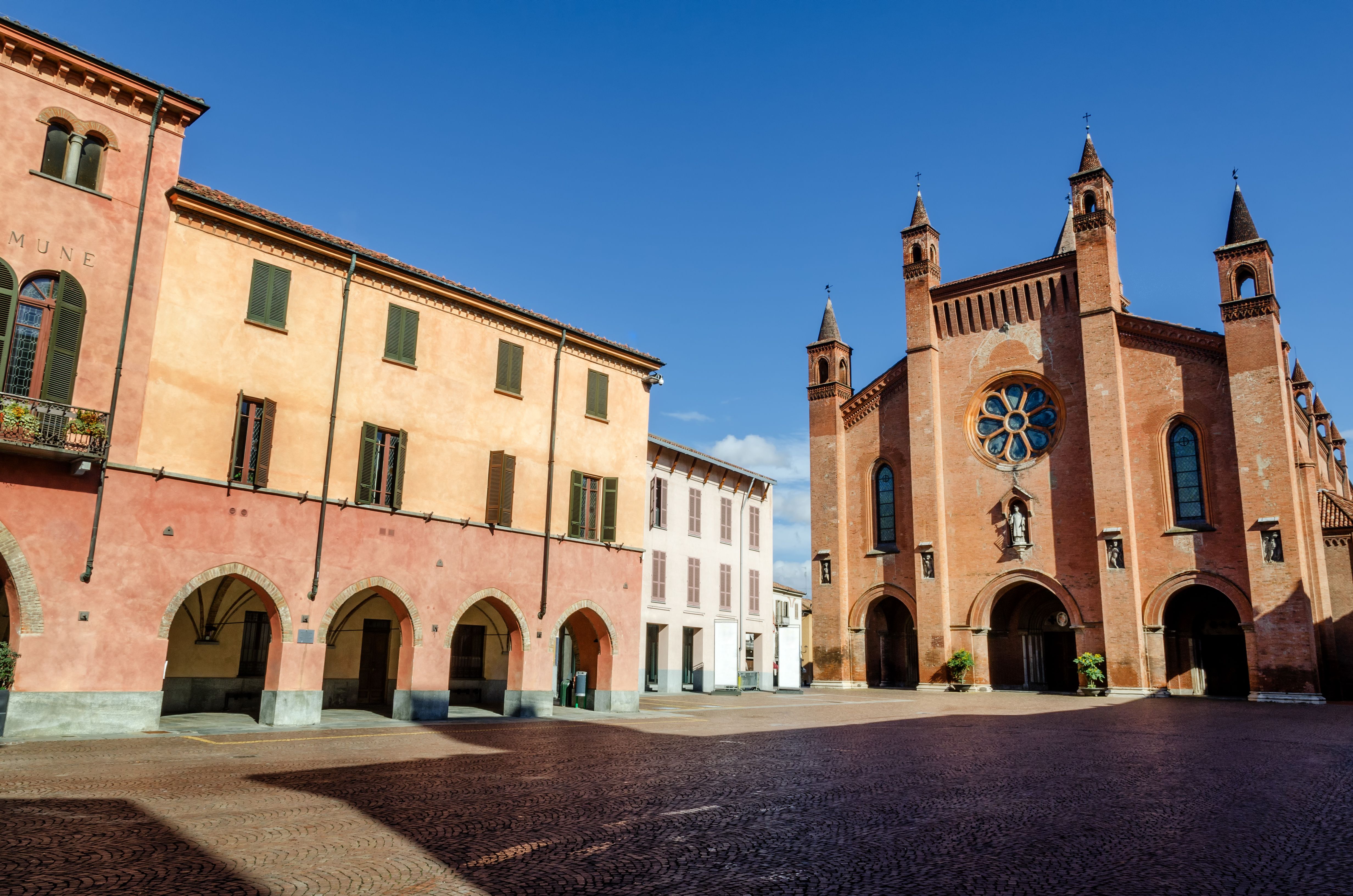
- Piazza Risorgimento🔗: The town’s main square, surrounded by historic buildings and home to the Town Hall, which houses significant Renaissance artworks by Macrino d’Alba.
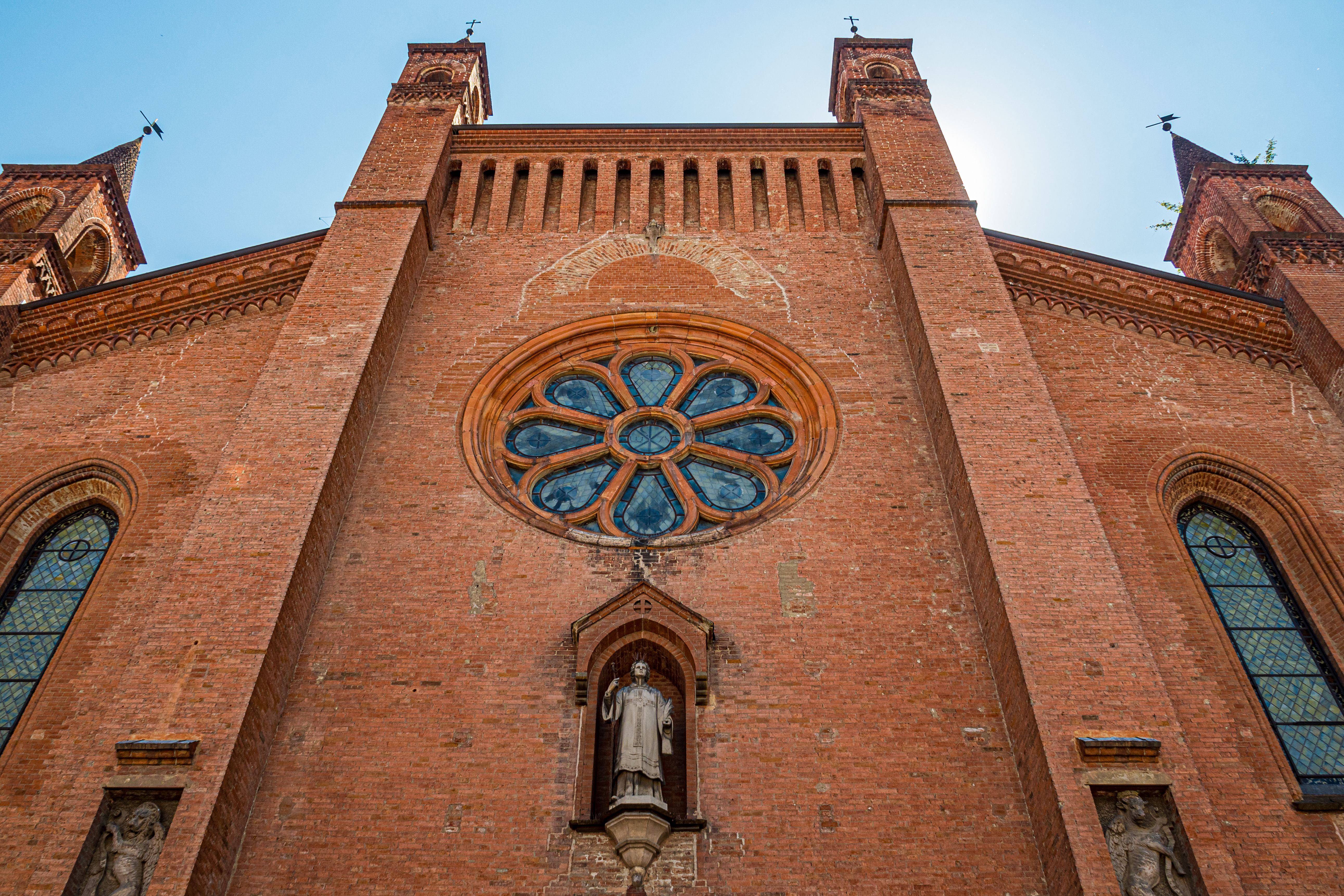
- San Lorenzo Cathedral🔗 (Duomo di Alba): A 15th-century Gothic cathedral built in red brick; look for the symbols of the four evangelists on the facade, whose initials spell "ALBA," and the stunning starry blue vaulted ceiling inside.
🕒 Daily 7:30 AM - 7:00 PM
💸 Free for the main cathedral, 3 € for the Diocesan Museum or the bell tower climb
- Alba Sotterranea🔗 (Underground Alba): A guided archaeological tour that takes you beneath the modern pavement to see Roman ruins, including the ancient forum, a theater, and early Christian baptismal fonts.
🕒 Guided tours between 10:00 AM and 5:00 PM
💸 Approximately 15 € for adults (13 € reduced) often includes entry to the Eusebio Museum
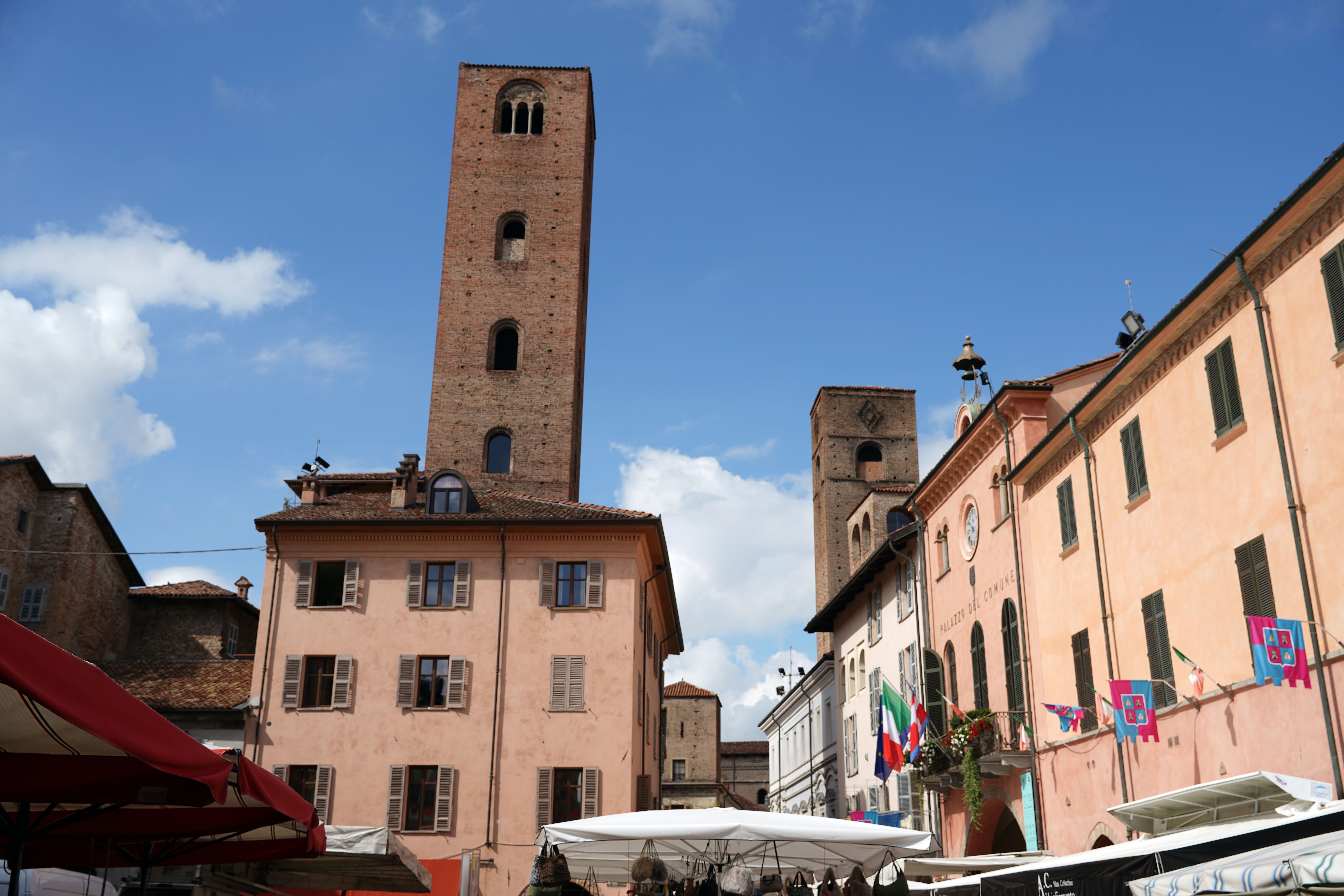
- The Medieval Towers: Known as the "City of a Hundred Towers," Alba still preserves several prominent examples like Torre Bonino, Torre Astesiano, and Torre Sineo, all visible near the cathedral.
⚠️ They are viewable only from the outside 24/7 (interior access is restricted to special events)
- Via Vittorio Emanuele🔗 (Via Maestra): The city's primary pedestrian artery, lined with medieval and Liberty-style buildings, perfect for shopping and tasting local hazelnut treats.
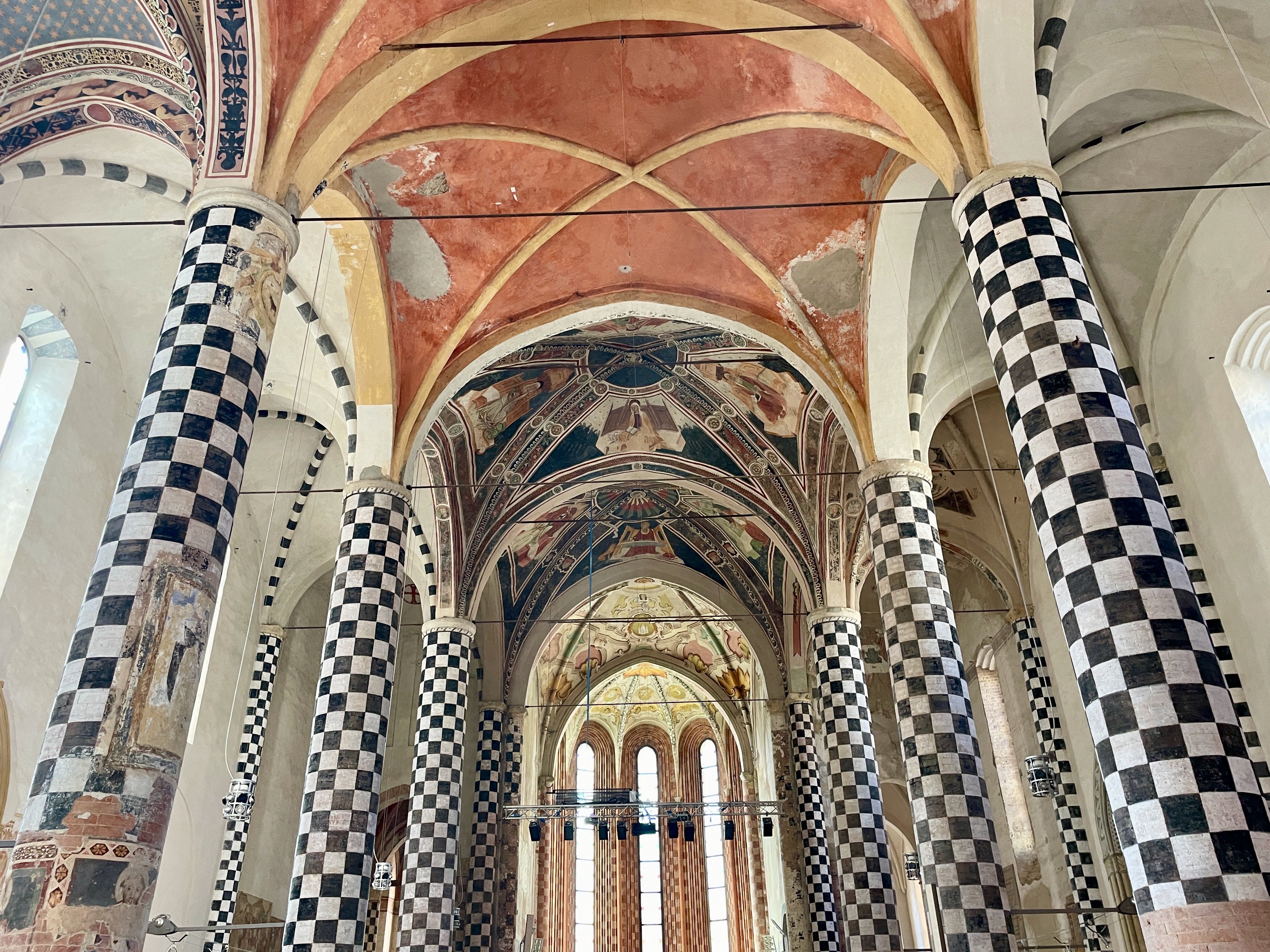
- Church of San Domenico🔗: A 13th-century Romanesque-Gothic church often used for art exhibitions and concerts due to its incredible acoustics and preserved frescoes.
🕒 Tuesday-Friday 3:00 PM - 6:00 PM weekends 10:00 AM - 12:00 PM and 3:00 PM - 6:00 PM
💸 Free
- Church of Santa Maria Maddalena🔗: A masterpiece of Piedmontese Baroque architecture featuring an intricately carved wooden portal.
🕒 Daily 9:00 AM - 7:00 PM
💸 Free
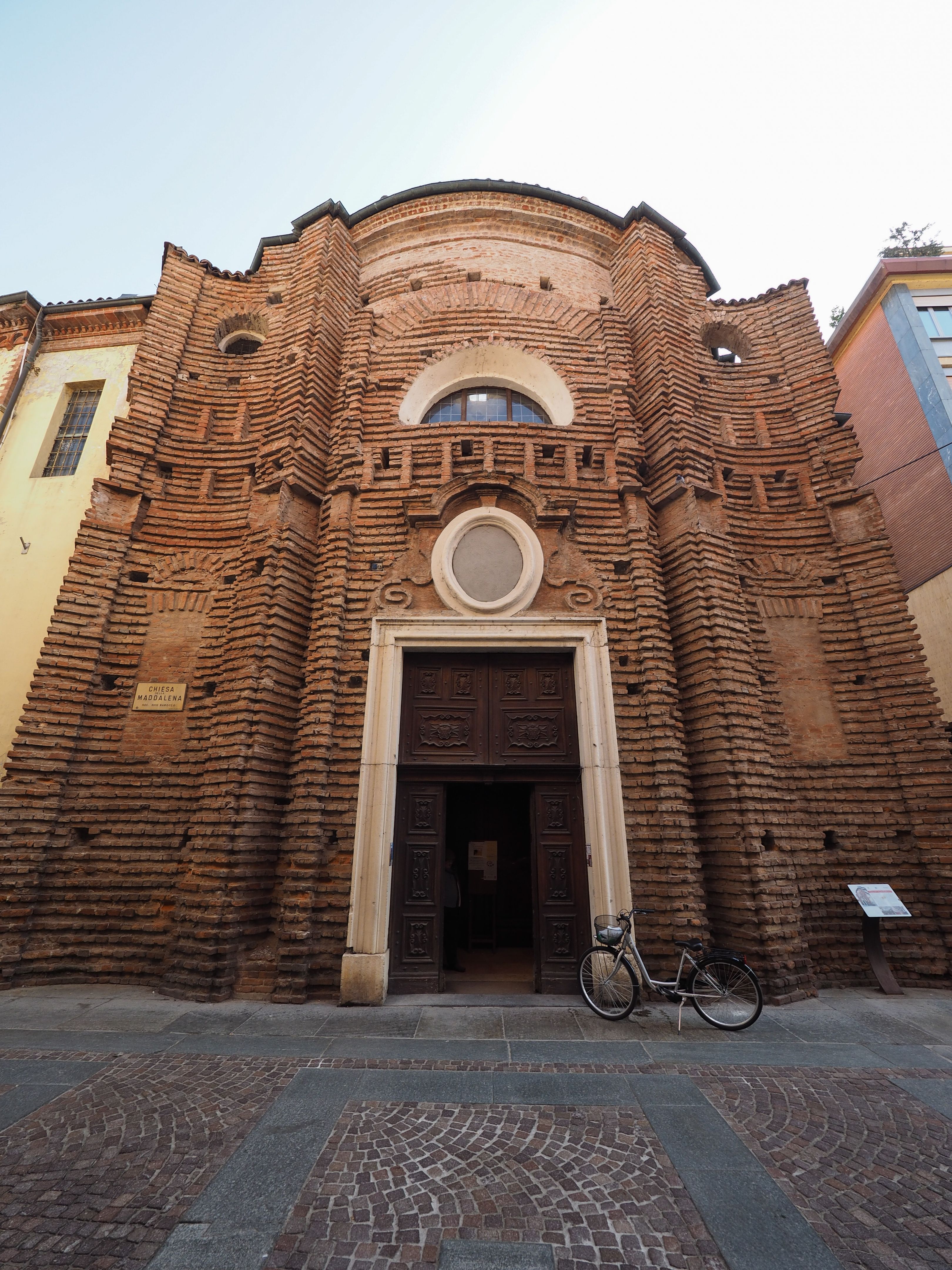
- Federico Eusebio Civic Museum🔗: Located inside the Maddalena complex, it displays extensive archaeological finds from the Roman period and natural history collections of the Langhe.
🕒 Tuesday-Friday 3:00 PM - 6:00 PM Saturday-Sunday 10:00 AM - 1:00 PM and 3:00 PM - 7:00 PM
💸3 € for adults 1 € reduced
👉 You can book a walking tour here🔗 that includes a food tasting experience with a local
✨ In my opinion, one of the must-visit experiences in Alba is attending the International Alba White Truffle Fair. It is one of the world's most prestigious culinary events, transforming the city into a global capital of gastronomy every year from October to December. The festival's heart is the World Truffle Market in the Cortile della Maddalena, where you can buy certified specimens directly from local hunters (trifolao) every Saturday and Sunday.
During this time, the entire city comes alive with a vast array of events focused on food and wine excellence. Visitors can participate in Wine Tasting Experiences led by expert sommeliers, attend cooking shows with Michelin-starred chefs, and explore the "AlbaQualità" exhibition featuring the region’s best cheeses, hazelnuts, and cured meats.
While local people visit specifically to buy the fresh truffle for their seasonal dishes, people from all over the world travel to Alba to experience the event itself and its unique atmosphere. The festivities include historical parades, concerts, and cultural folklore, such as the famous Donkey Palio (Palio degli Asini) on the first Sunday of October.
🍽️ This brings us to the next highlight of any trip to Alba: enjoying the food. Restaurants in the city and throughout the surrounding region are truly top-notch, offering everything from authentic, low-key trattorias to world-class, Michelin-starred dining.
👉 You can find my detailed food guide here🔗.
⚠️ The truffle museum is a bit of a letdown, so I would skip it and spend more time at the other sites instead.
Barolo
Perched atop the rolling, UNESCO-protected hills of the Langhe, Barolo is a village that feels like a living monument to Italian winemaking. Often referred to as the "King of Wines and the Wine of Kings," this small medieval town is the spiritual heart of one of the world’s most prestigious red wine regions. With its cobblestone streets, the imposing profile of the Castello Falletti, and endless views of Nebbiolo vineyards, Barolo offers a sensory journey through history, soil, and craft.
- Historic center: A pedestrian-friendly maze of cobblestone streets filled with traditional enoteche, specialized wine shops, and local trattorie.
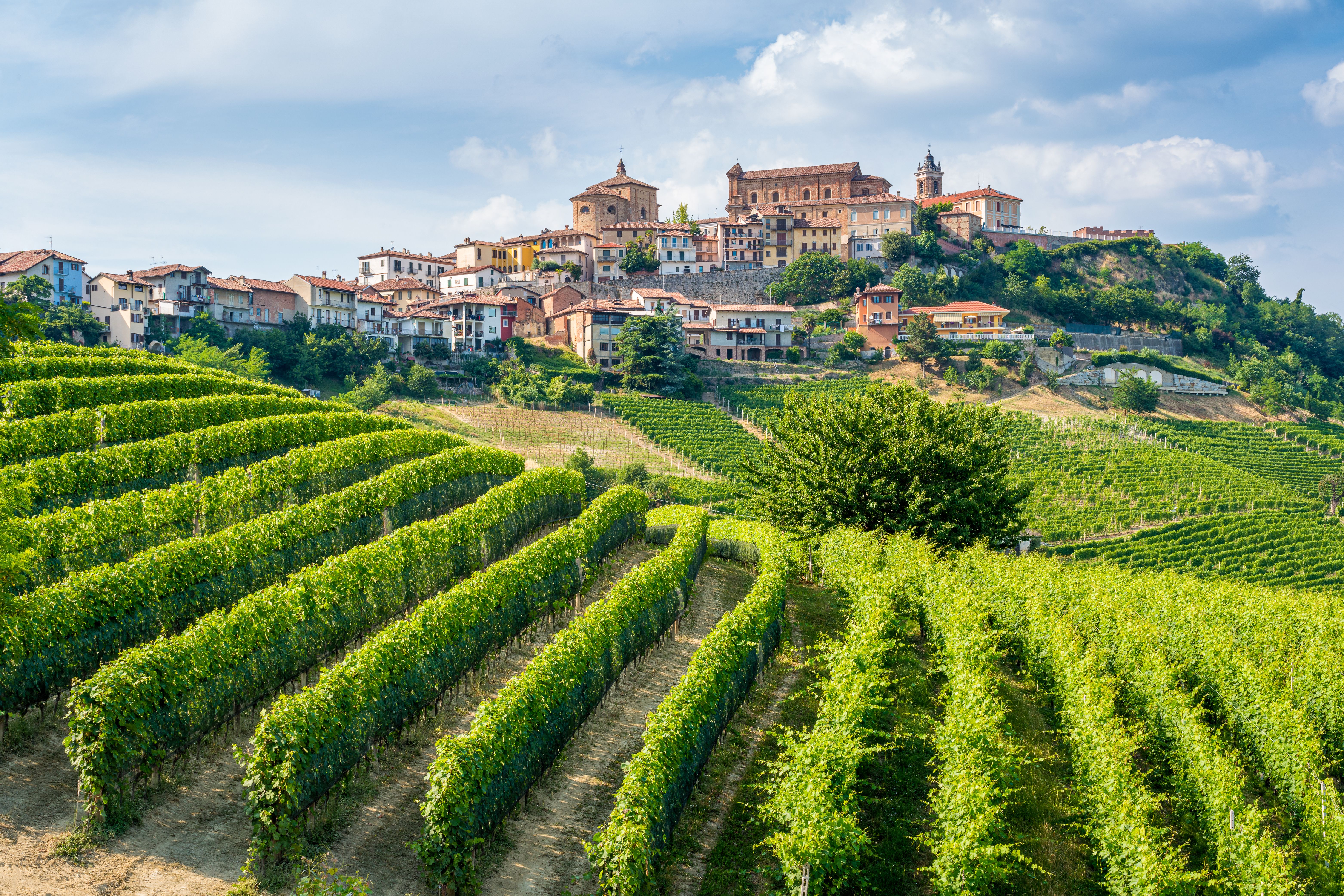
- Castello Falletti🔗: A millennium-old fortress that serves as the town's focal point and offers sweeping views of the surrounding hills.
🕒 Opening hours: Open daily from 10:30 AM to 7:00 PM, with last admission at 6:00 PM.
💸 Full price ticket is € 9,00, while the reduced price for seniors over 65 is € 7,00; children aged 6 to 14 pay between € 1,00 and € 3,00.
- Wimu wine museum🔗: Located inside the castle, this interactive museum designed by françois confino takes you on a poetic journey through the history and culture of wine.
🕒 Generally open Monday to Sunday from 10:00 AM to 1:00 PM and from 2:00 PM to 6:30 PM (often closed on Thursdays).
💸Admission is € 4,00 for adults and € 3,00 for reduced entry, but if you show your WiMu ticket, the price drops to € 2,00.
- Enoteca regionale del Barolo🔗: Situated in the castle's ancient cellars this is the definitive place to taste and purchase labels from the eleven communes that produce Barolo wine.
🕒 Open Thursday to Sunday from 10:30 AM to 6:30 PM, with the last entry for tastings at 6:00 PM (closed Monday through Wednesday).
💸Entry to the shop area is free, while wine tasting flights vary in price based on the specific labels and vintages you choose to sample.
- Museum of corkscrews🔗: A quirky and fascinating collection featuring over 500 specimens from the 18th century to the present day, made from materials like ivory and silver.
🕒 Generally open Monday to Sunday from 10:00 AM to 1:00 PM and from 2:00 PM to 6:30 PM (often closed on Thursdays).
💸 Admission is € 4,00 for adults and € 3,00 for reduced entry, but if you show your WiMu ticket, the price drops to € 2,00.
- Cappella del Barolo🔗 (Brunate Chapel): A short distance from the center, this small deconsecrated chapel was famously reimagined in 1999 with vibrant colors by artists Sol LeWitt and David Tremlett.
🕒 Usually accessible daily from 9:00 AM to 7:00 PM; however, please note it is currently undergoing restoration with a full reopening expected in autumn 2026.
💸 Free of charge
✨ Barolo is not just a charming village; it is the birthplace of the "King of Wines and the Wine of Kings." Produced from 100% Nebbiolo grapes, this world-renowned red wine is famous for its structural power, complex aromas of rose and truffle, and its incredible ability to age.
👉 To truly understand the soul of this region, a visit to a local cantina🔗 (winery) is an absolute must.
La Morra
As my personal favorite in the region, La Morra sits at the highest elevation of the Barolo wine zone, offering a perspective that feels like an observation deck for the entire Piedmontese landscape. While other villages are tucked into the valleys, La Morra commands the ridge, providing a bird’s-eye view of the UNESCO-listed hills and the distant, snow-capped Alps. Its historic center is a winding labyrinth of cobblestones and sun-drenched squares that perfectly blend a slow, rural pace with a refined elegance.
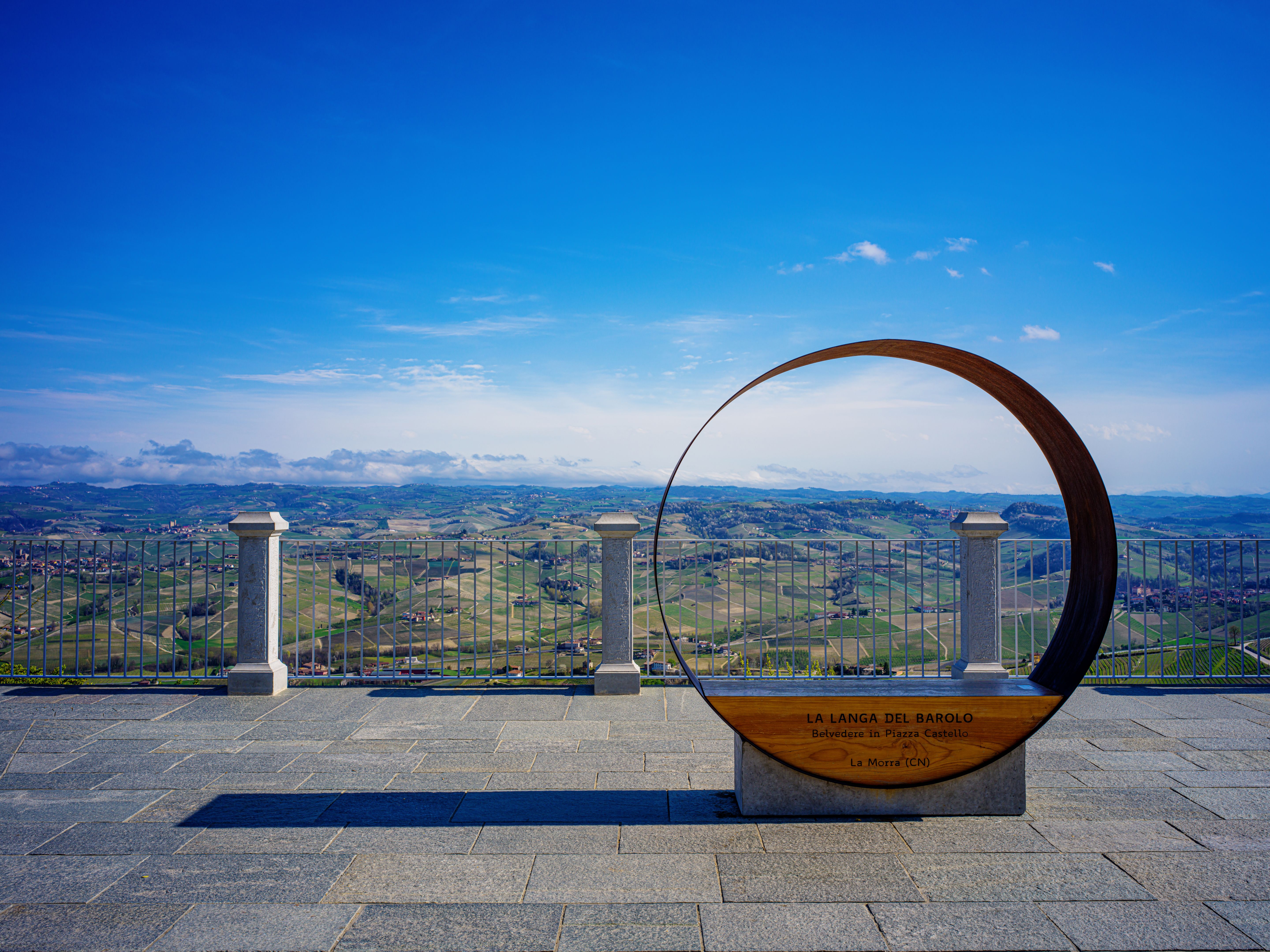
- Piazza Castello🔗 and the Belvedere🔗: Known as the "Belvedere of the Langhe," this wide-open terrace sits on the site of a former castle. It provides a 180-degree panoramic view of the vineyards and nearby hilltop villages, with the Alps visible on clear days.
- Torre Campanaria🔗 (The Bell Tower): This 18th-century Baroque tower stands 31 meters tall and was built using stones from the town's destroyed castle. Climbing to the top offers a 360-degree bird's-eye view of the entire Barolo region.
🕒 Open weekends and holidays from 10:00 AM to 12:30 PM and 2:30 PM to 6:30 PM (March–November)
💸 Approximately € 2.00
- Cantina Comunale di La Morra🔗: A cooperative wine cellar located in an 18th-century monastery, representing over 60 local producers. It is a central hub for learning about the specific "Crus" of La Morra, which are known for their elegance and floral aromas.
🕒 Daily from 10:00 AM to 12:30 PM and 2:30 PM to 6:30 PM (closed Tuesdays in winter)
💸 Free entry; wine tasting flights vary (usually between € 5.00 and € 15.00)
- Church of San Martino🔗: A grand Baroque church with an imposing facade, reflecting the historic wealth of the local wine-growing families. The interior is filled with intricate frescoes and artistic details typical of the 18th-century Piedmontese style.
🕒 Daily from 9:00 AM to 6:00 PM
💸 Free to enter
👉 Experience the heart of the Langhe with ease on an e-bike tour🔗 that glides through the medieval charm of Neive, the majestic castle of Barolo, and the breathtaking panoramic heights of La Morra, my personal favorite spot in the region.
✨ Trekking between Neive, Barolo, and La Morra offers a breathtaking immersion into the heart of the Langhe, where the landscape is an intricate patchwork of UNESCO-listed vineyards. The journey typically follows the well-marked "Sentieri del Barolo" and the Bar-to-Bar (Barbaresco to Barolo) routes, connecting these historic hilltop villages through rolling ridges and sun-drenched valleys.
🏃♀️ I suggest this one, which starts and finishes in La Morra. This trek is not just a physical challenge but a sensory experience, where the scent of damp earth and ripening grapes accompanies every step along the ancient white-tuff paths. You find the details here🔗.
🍷My handpicked selection of wineries in and around La Morra:
- Cantina Marrone🔗: Agricola Gian Piero Marrone is located right in the heart of La Morra, offering a wide range of wine tastings and the option to enjoy a delicious lunch on-site.
- Oddero Poderi e Cantine🔗: Poderi Oddero is situated just outside La Morra, offering an authentic experience of a winery nestled in the heart of the vineyards. I highly recommend it.
- Comm. G.B. Burlotto🔗: Located in Verduno, just a short distance from La Morra, this winery may be smaller, but it is certainly worth a visit for its intimate and authentic atmosphere.
- Tenuta vitivinicola Bricco Boschis🔗: Another great alternative is located in Castiglione Falletto, perfectly situated between Barolo and La Morra. This small village is also incredibly beautiful.
Neive
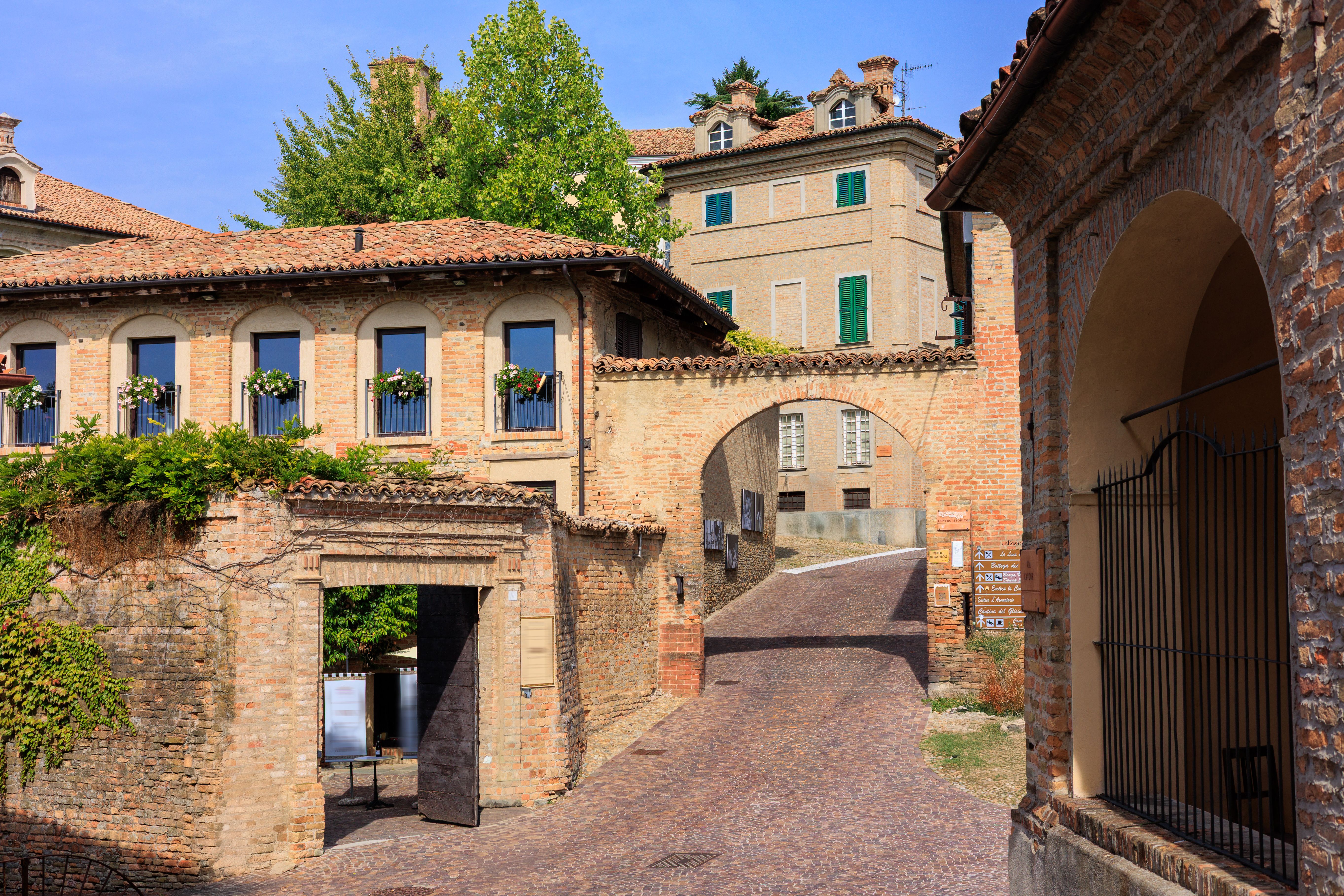
Often cited as one of the "Borghi più belli d'Italia" (the most beautiful villages in Italy), Neive is a medieval jewel where time seems to have stood still. While Barolo and La Morra are the kings of the Barolo wine zone, Neive is the elegant soul of the Barbaresco region. Its historic center, known as the borgo vecchio, is a spiral of narrow cobblestone streets that wind up to a panoramic peak, flanked by terracotta-roofed houses and noble palaces. Surrounded by the "four wines" (Barbaresco, Dolcetto d'Alba, Barbera d'Alba, and Moscato d'Asti), Neive offers a quieter, more intimate atmosphere where the medieval layout remains perfectly preserved, inviting travelers to get lost in its silent, flower-lined alleys.
- The Clock Tower🔗 (Torre Comunale): This slender, ancient tower is the symbol of the village and the highest point of the historic center. Originally part of the medieval defensive system, it was rebuilt in the 18th century and still dominates the skyline today.
- Piazza Italia🔗: The heart of the upper village, this elegant square is surrounded by colorful buildings and historic administrative offices. It feels like an open-air living room where locals gather, and it is the perfect spot to start your walk through the concentric streets.
- Bottega dei Quattro Vini🔗: Located in the cellars of the ancient Town Hall, this communal wine cellar represents the local producers of Neive. It is the best place to taste the "four wines" of the territory in a historic, vaulted stone setting.
🕒 Generally open daily from 10:00 AM to 1:00 PM and 2:30 PM to 7:00 PM (Closed on Wednesdays)
💸Free entry
Barbaresco
Standing as the elegant guardian of the Tanaro Valley, Barbaresco is a refined medieval village that gives its name to one of Italy’s most prestigious and sophisticated red wines. While Barolo is often described as powerful and muscular, Barbaresco—produced from the same Nebbiolo grape—is celebrated for its ethereal perfume, silky tannins, and feminine grace.
✨ Wandering through its singular main street, you feel a sense of quiet exclusivity; it is a place where the rhythm of life is dictated entirely by the cellar and the seasons. From the panoramic heights of the village, the view stretches across the river toward the wilder hills of the Roero, making Barbaresco an essential stop for anyone seeking the purest expression of Piedmontese terroir.
- The Tower of Barbaresco🔗 (Torre di Barbaresco): This imposing medieval structure is the largest and most iconic tower in Piedmont. Recently restored, it features a glass elevator that whisks you to a panoramic rooftop terrace 36 meters above the ground, offering a dizzying view of the Tanaro River and the surrounding Crus.
🕒 Daily from 10:00 AM to 7:00 PM
💸 € 5.00 for the lift and terrace access
- Enoteca Regionale del Barbaresco🔗: Housed inside the deconsecrated Church of San Donato, this is the spiritual home of the appellation. It represents nearly every producer in the zone and offers a solemn, atmospheric setting to taste the nuances of different vineyard sites.
🕒 Daily from 10:00 AM to 6:00 PM (Closed on Wednesdays)
💸 Free entry; tastings are priced by the glass (typically € 6.00 to € 12.00)
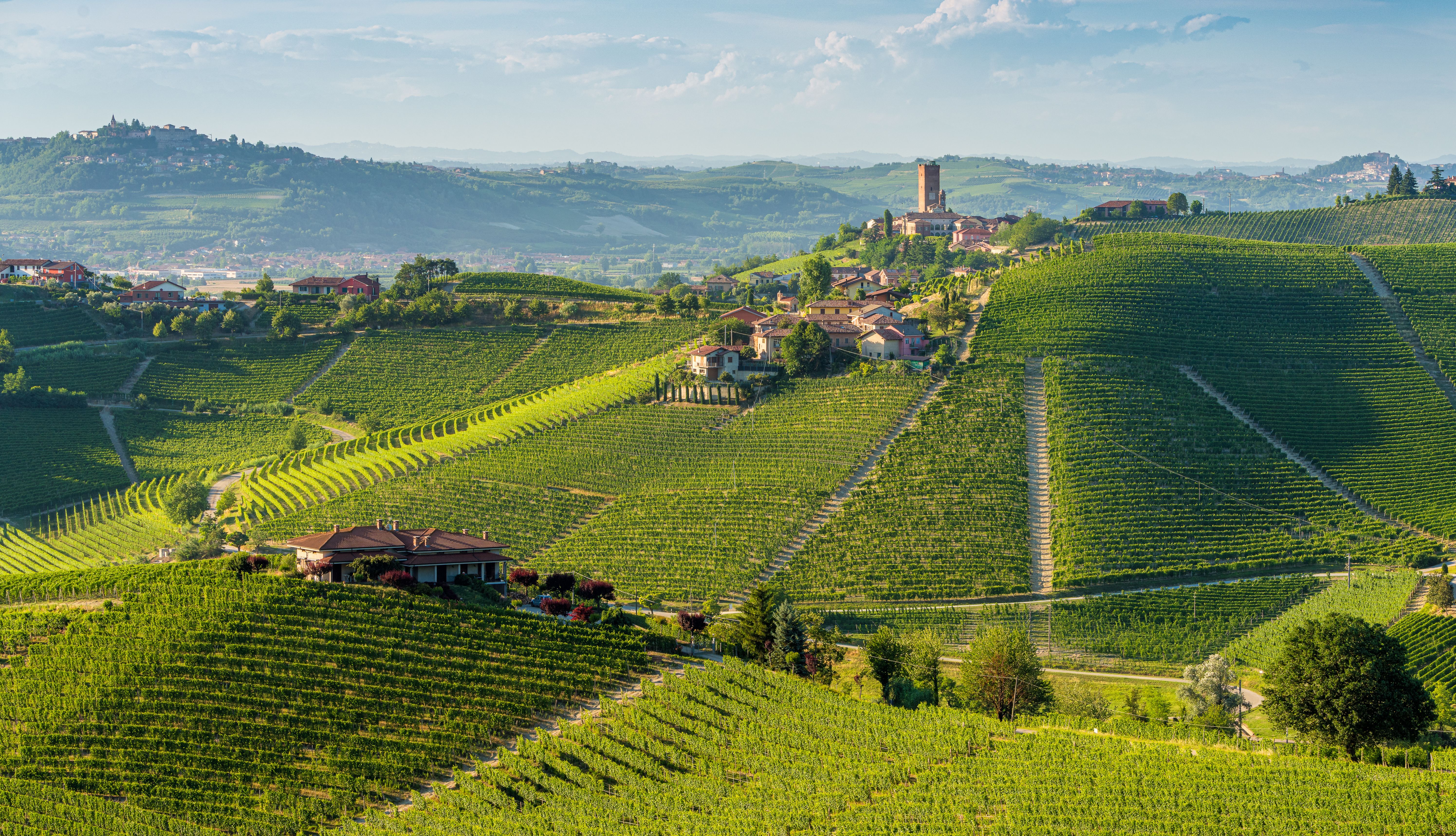
🍷When in Barbaresco, I highly recommend visiting Cantina Monteribaldi🔗. It is beautifully located for tasting the local Barbaresco wine, which can only be produced within this specific region.
Serralunga d'Alba
Rising sharply from the eastern ridges of the Barolo zone, Serralunga d'Alba is a striking vertical village that feels more like a medieval military outpost than a quiet rural town. Its slender, soaring architecture commands the landscape, reflecting the powerful and structured character of the wines produced from its ancient, limestone-rich soils. Walking through its concentric streets, you experience a timeless atmosphere where the rugged history of the Langhe is etched into every stone.
- Historical Center: The village is a masterpiece of medieval urban planning, consisting of a series of narrow, circular streets that spiral upward toward the castle. It is one of the most architecturally intact "borghi" in the Langhe, where golden-hued stone buildings and arched passageways offer a dramatic, atmospheric walk that feels entirely disconnected from the modern world.
- Castello di Serralunga d'Alba🔗: Considered one of the most unique castles in Europe, this 14th-century fortress is a French-style "donjon" built for military control rather than residential luxury. Its soaring verticality is breathtaking, and the interior guided tours reveal original frescoes, massive fireplaces, and windows that overlook the most prestigious vineyard land in Italy.
🕒 Saturday and Sunday from 10:30 AM to 1:30 PM and 2:30 PM to 6:00 PM (March–November); open on weekdays by reservation for groups
💸 € 6,00 for a full ticket; € 3,00 for reduced entry
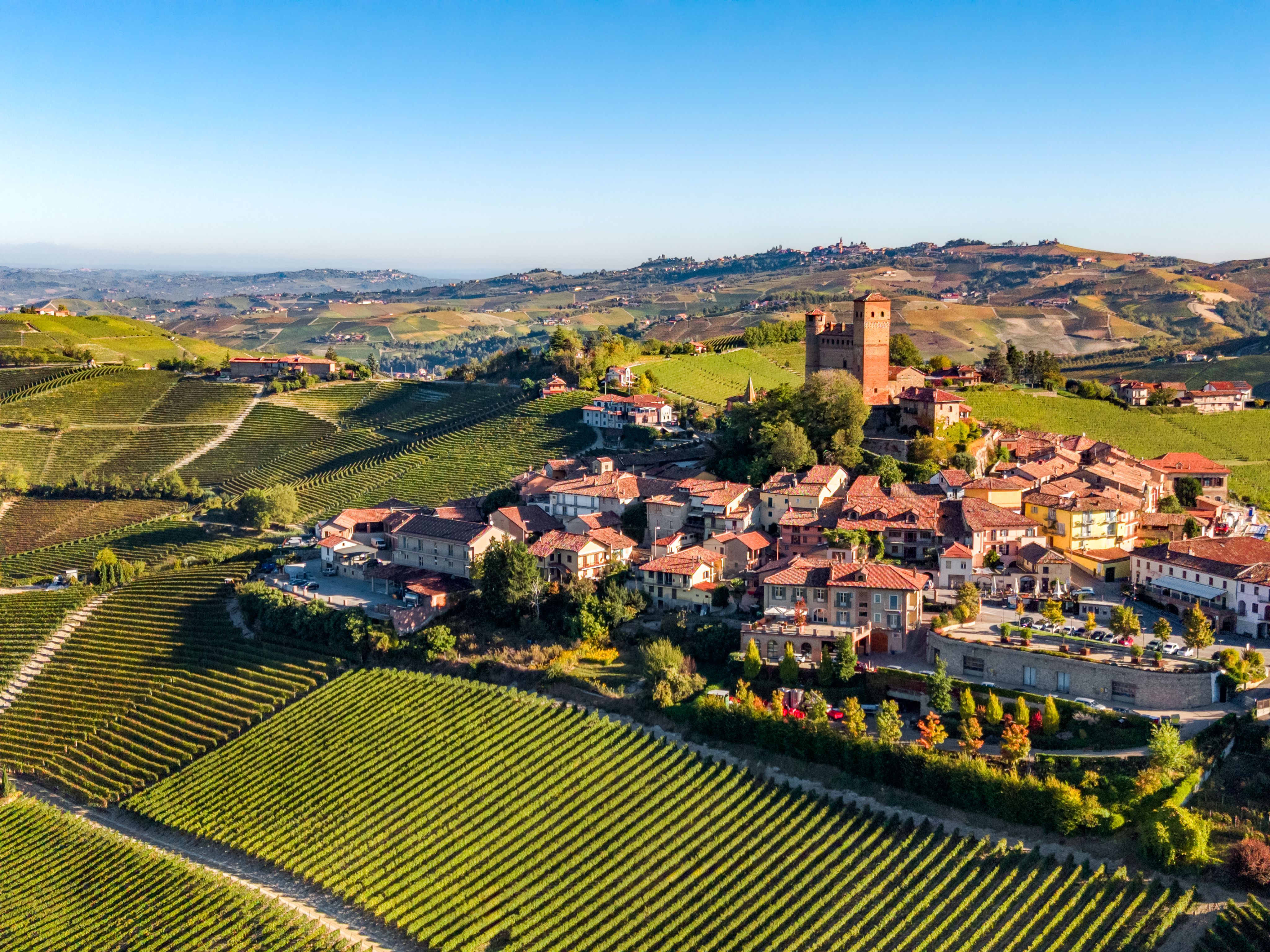
🍷 Don't miss Serralunga d'Alba on your tour! Make a stop at Azienda Agricola Vigna Rionda🔗 for an incredible tasting of some of the finest local wines in the region.
Monforte d'Alba
Perched on a steep hillside at the southern edge of the Barolo zone, Monforte d’Alba is a vibrant village where medieval history meets a passion for contemporary culture. Known for its narrow, fan-shaped layout, the town climbs toward an aristocratic summit where stone palaces and a unique open-air amphitheater await. Monforte is celebrated for its artistic spirit, hosting world-class jazz festivals and art exhibitions that contrast beautifully with its rugged, ancient stone walls. The wines from this area reflect the village's character: they are bold, deeply structured, and full of personality.
- The Historical Center (Saracca): The oldest part of the village, known as the Saracca, is a steep and evocative labyrinth of stone-paved alleys and dramatic staircases. As you climb, you pass meticulously restored medieval houses and hidden wine bars that seem carved directly into the hillside, all leading toward the grand square at the top of the town.
- The Bell Tower🔗 (Torre Campanaria): This solitary Romanesque tower is all that remains of the village's original 13th-century church. It stands as a silent sentinel at the highest point of Monforte, offering a peaceful spot for reflection with a commanding view of the Langa forest and the distant Alps.
- The "Big Bench"🔗 (Panchina Gigante): Monforte is home to one of the original Big Benches (purple in color), part of Chris Bangle's "Big Bench Community Project." Located just a short walk from the center among the vineyards, it is designed to make adults feel like children again as they climb up to enjoy the vast, sprawling view of the valley.
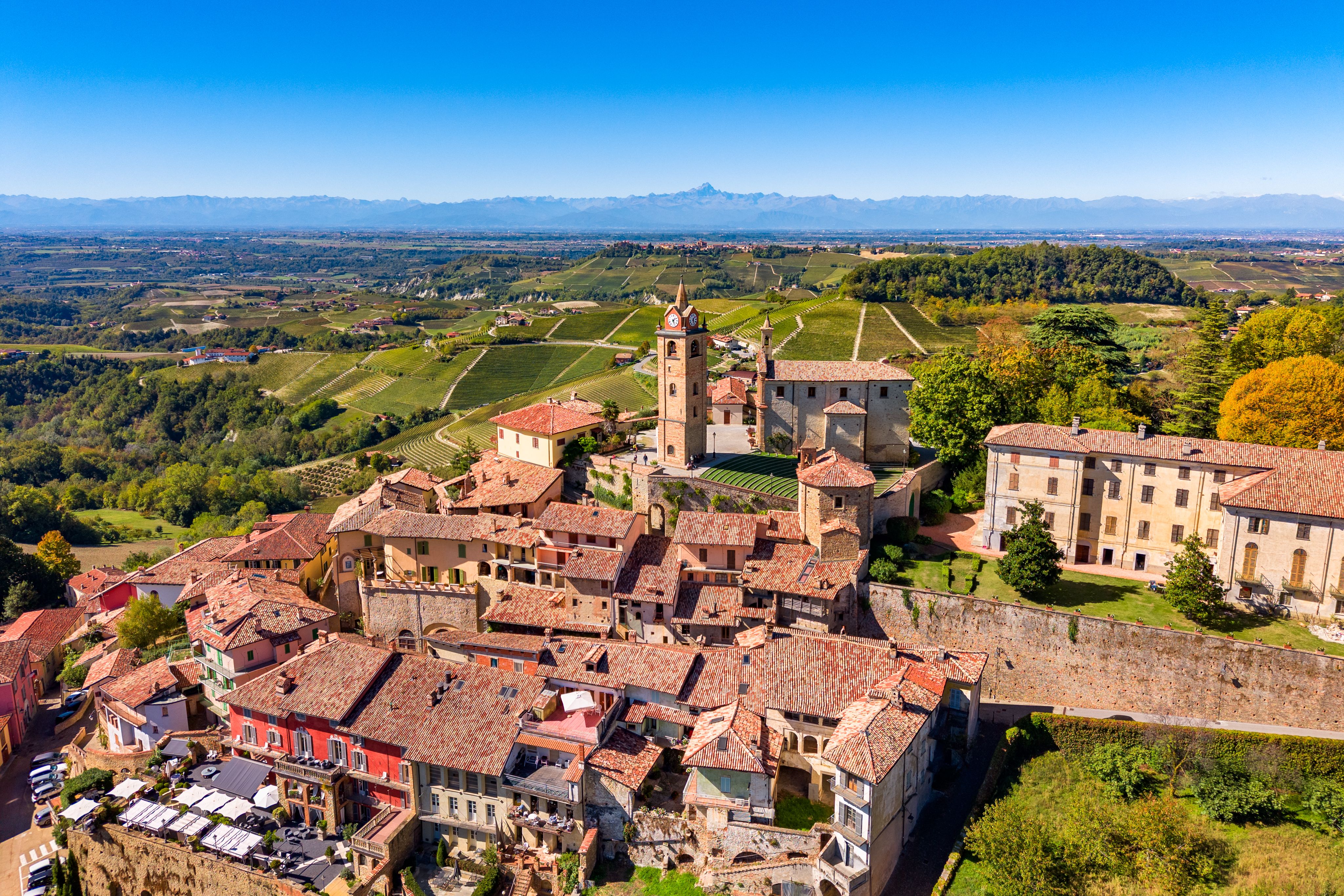
🍷 If you are visiting Monforte d'Alba, you must try Cascina Sòt. Their wines are incredible, and I truly cannot recommend this winery enough!
Grinzane Cavour
Grinzane Cavour is a town of immense historical prestige, famously named after Camillo Benso, Count of Cavour, one of the primary figures of Italian unification who once served as the local mayor. Unlike the ridge-top villages like La Morra, Grinzane Cavour is defined by its architectural and political significance, serving as a gateway to the vineyard landscapes of the Langhe. The village is an essential stop for those who want to understand the deep connection between the Italian aristocracy and the birth of modern winemaking.
- Castello di Grinzane Cavour🔗: This imposing medieval fortress is a UNESCO World Heritage site and stands as one of the most recognizable landmarks in Piedmont. It was the residence of Count Cavour for many years and now houses an ethnographic museum dedicated to truffles and wine culture. The castle is also the prestigious venue for the World Alba White Truffle Charity Auction held every November.
🕒 Open Wednesday to Monday from 10:00 AM to 6:00 PM (Last entry at 5:00 PM); closed on Tuesdays
💸 € 8,00 for a full ticket; € 5,00 for seniors over 65
- Enoteca Regionale Piemontese Cavour🔗: Located inside the castle walls, this was the first regional wine shop established in Piedmont. It functions as a showcase for the finest Barolo and Barbaresco labels, offering a highly curated selection that reflects the historical viticultural experiments started by Cavour himself in the 19th century.
🕒 Wednesday to Monday from 10:00 AM to 6:00 PM; closed on Tuesdays.
💸 Free entry to the shop; tasting prices depend on the wine selection.
- The Open-Air Museum "In Vigna": Surrounding the castle, this educational vineyard path offers a walk through the various grape varieties of the Langhe. It is designed to explain the seasonal cycles of the vine and the specific soil characteristics that make this area unique, all while providing a stunning view of the castle from below.
Canelli
While the villages of Barolo and La Morra are the champions of red wine, Canelli is the world capital of Italian sparkling wine. It is here that the first Italian Spumante was born in 1865. The town is physically divided into two parts: the lower, modern commercial hub and the historic upper village known as Villanuova.
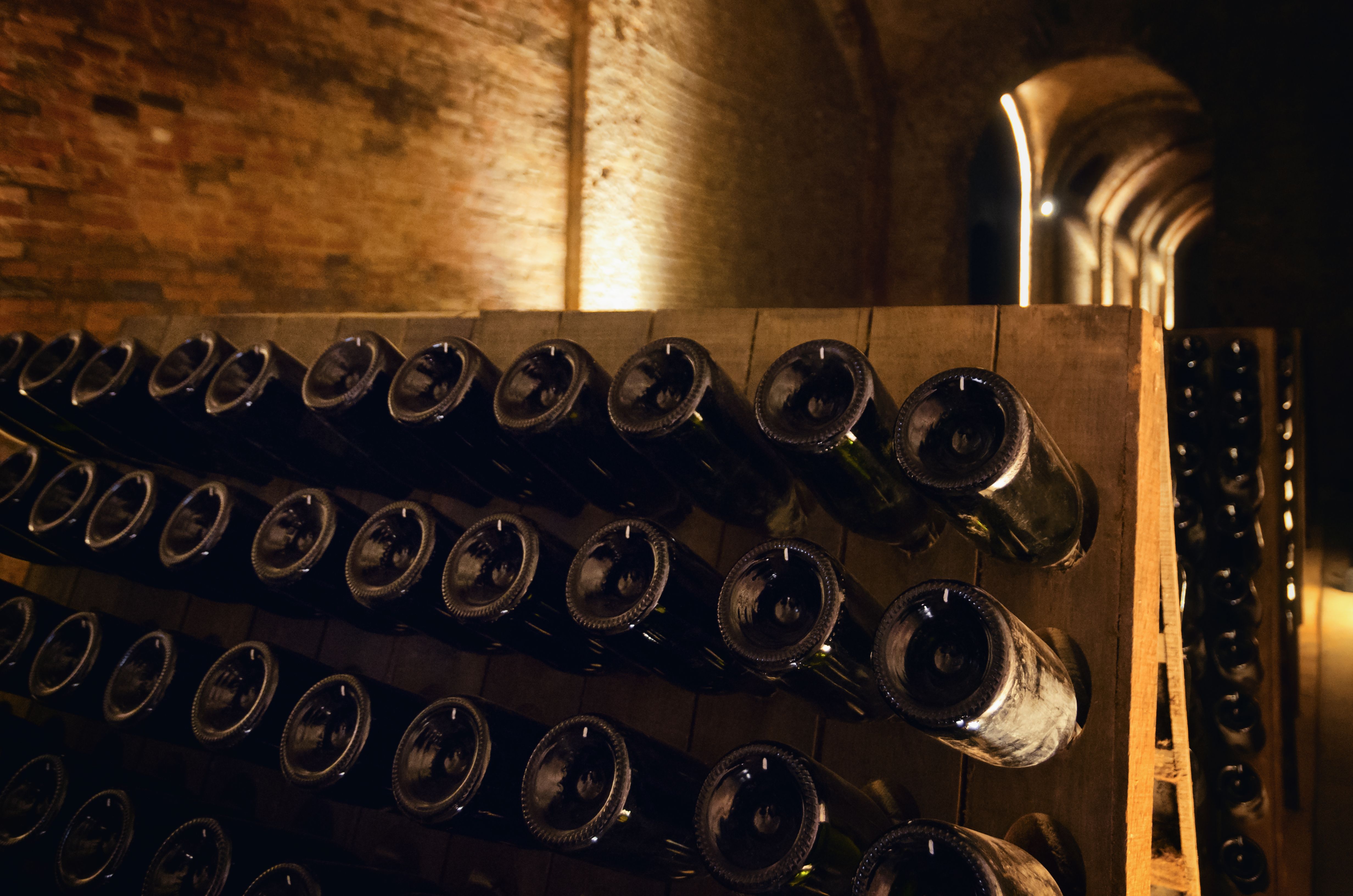
✨ What makes Canelli truly unique is not what stands on its hills, but what lies beneath them—over 20 kilometers of subterranean tunnels carved into the tuff rock, creating a "secret city" that is now a UNESCO World Heritage site. These are massive, majestic wine cellars belonging to historic producers like Bosca🔗, Coppo🔗, Contratto🔗, and Gancia🔗. Descending up to 32 meters underground, these brick-vaulted chambers maintain a perfect natural temperature for aging millions of bottles of Metodo Classico. The scale is so grand that they truly feel like subterranean cathedrals.
🕒 Daily from 10:00 AM to 6:00 PM; however, visits are strictly by reservation.
💸 Prices vary by winery. For example, Bosca costs € 20.00, while Coppo offers various tours ranging from € 30.00 to over € 100.00, depending on the tasting selection.
- La Stërnia🔗: This is the most famous street in Canelli—a steep, narrow cobblestone path that connects the lower town to the upper village. As you climb, you are treated to beautiful views and artistic installations, including tiles and murals that tell the story of the town's history and its famous Siege of 1613.
- The Historical Center (Villanuova): The upper part of Canelli is a peaceful retreat from the bustling wine industry below. It features beautiful Baroque churches, such as the Church of San Leonardo and the Church of San Rocco, along with panoramic viewpoints like the Belvedere UNESCO, where you can find a "Lovers' Bench" overlooking the hills of Monferrato.
- Torre dei Contini🔗: A short trek outside the center leads to this historic watchtower from 1617. From its base, you can enjoy an unobstructed 360-degree view of the vineyards stretching toward Asti and the Langhe. ✨A great sunset spot.
🍷You cannot miss the stunning underground cellars in Canelli—they are a must-see! But to truly experience the local sparkling wine, take a short drive outside Canelli to discover some incredible wineries. My handpicked selection of wineries in Canelli:
- Borgo Maragliano Società Agricola🔗: I fell in love with this place; the terrace was fantastic and the wines were absolutely incredible.
- Cascina Gentile🔗: This is another great spot to taste the local wines and immerse yourself in the beauty of the region.
Related Articles
| A Local's Guide: Best Food in Turin Italy |
| A Local's One Day Itinerary Catania Sicily |
| Best Food in Naples Italy |