A Local's Guide: Best Food in the Langhe region Italy


Langhe wine region
Nestled in the heart of Northern Italy, the Langhe is a region renowned for its rolling vineyards, UNESCO World Heritage landscapes, and an atmosphere that feels suspended in time. Beyond its stunning hilltop villages and world-class wines like Barolo and Barbaresco, this area offers an equally enchanting culinary experience. The gastronomic scene here is a masterpiece of traditional flavors and deep-rooted heritage, where every ingredient tells a story of the Piedmontese soil.
✨ In this guide, we’ll first explore the 🍝 must-try dishes that define the authentic Langhe food culture. Finally, I’ll share 🍴 my personal restaurant recommendations for the best places to taste these delicacies. Let’s embark on a culinary journey through the Langhe, highlighting the region’s most iconic and unforgettable flavors.
Heads up: this page may include affiliate links. By clicking and/or purchasing, I may receive a small commission at no extra cost for you. I only recommend tools I have personally vetted.
👉 To truly deepen your understanding beyond this article, consider joining a food tour led by locals. The best way to experience a place is through its people, and food is at the heart of Italian culture. Here are some tours to explore:
- Lunch in the Vineyard in Alba🔗
- Alba: History Walking Tour and Food Tasting with a Local🔗
- Langhe: Truffle Hunting Experience🔗
Where to stay in Langhe
Turin offers a variety of accommodations, from luxury hotels to bed-and-breakfasts:
- Luxury: MiaClara Relais 🅱️ Booking 🔗 🆃 Trip.com 🔗
- Mid-Range: Hotel Giacomo Morra Alba 🅱️ Booking 🔗 🆃 Trip.com 🔗 🄴 Expedia 🔗
- Budget: Residence XX Settembre 🅱️ Booking 🔗 🆃 Trip.com 🔗
Langhe Italy food
Truffle
The crown jewel of the Langhe is undoubtedly the truffle, a mysterious subterranean fungus that thrives in the root systems of oak and poplar trees. There are three types:
- White Truffle (Tuber magnatum pico): The most legendary and expensive variety, harvested from October to December. It has a smooth, cream-colored surface and an unmistakable, pungent aroma of honey, garlic, and forest floor. It is always served raw.
- Black Winter Truffle (Tuber melanosporum): Available from January to March, this "Precious Black" truffle has a dark, warty skin and a deep, chocolatey, and earthy flavor. Unlike the white truffle, its aroma holds up well when slightly warmed.
- Summer Black Truffle (Scorzone): Found from May to August, this variety is more subtle and accessible. It has a rough black exterior and a pale interior with a mild, nutty scent reminiscent of porcini mushrooms.
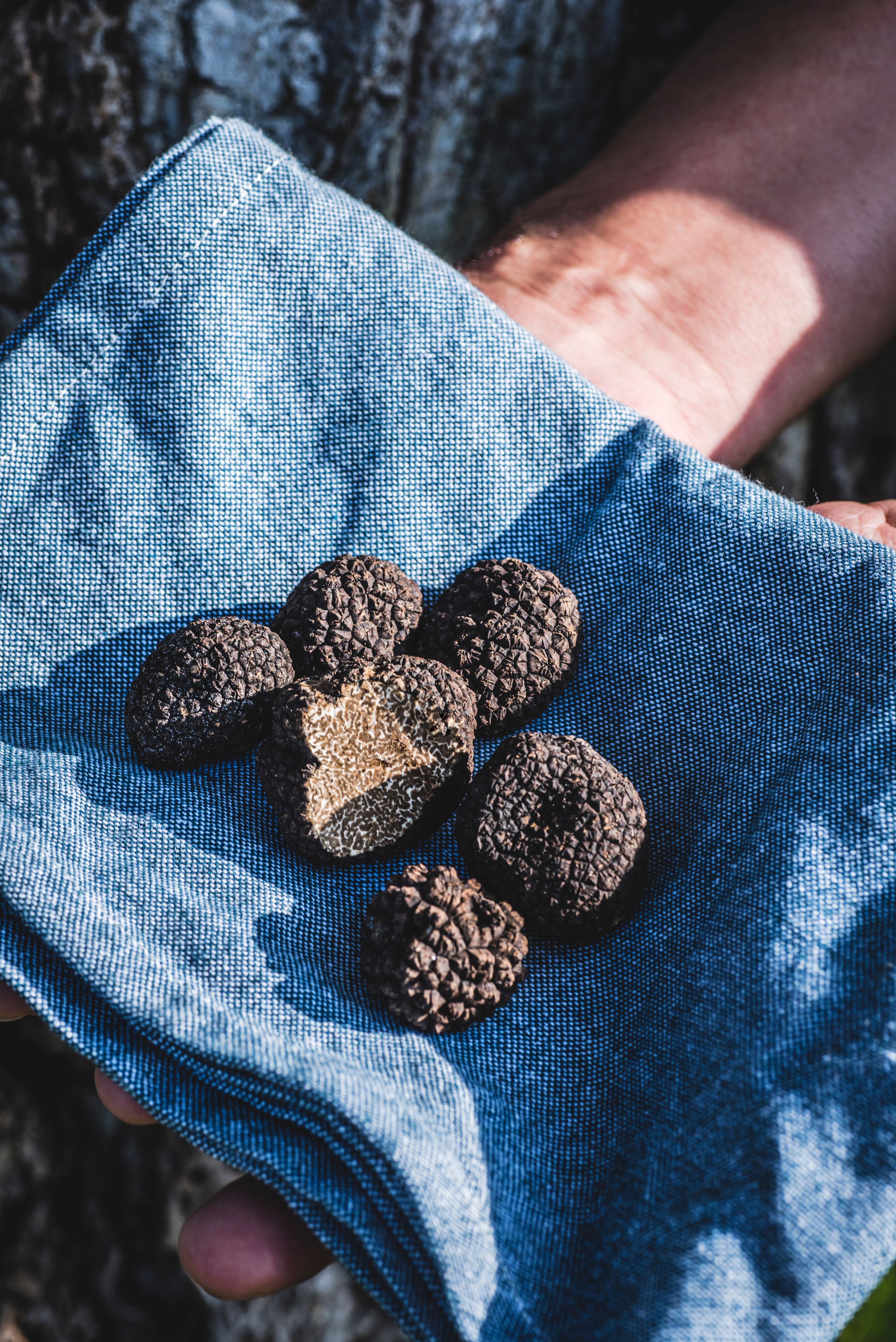
✨ Regardless of the variety, the best way to savor a truffle is to shave it thinly and raw directly over warm, simple dishes. The heat from foods like Tajarin with butter, a fried egg, or a creamy risotto allows the volatile aromas of the truffle to bloom perfectly.
Bagna Cauda
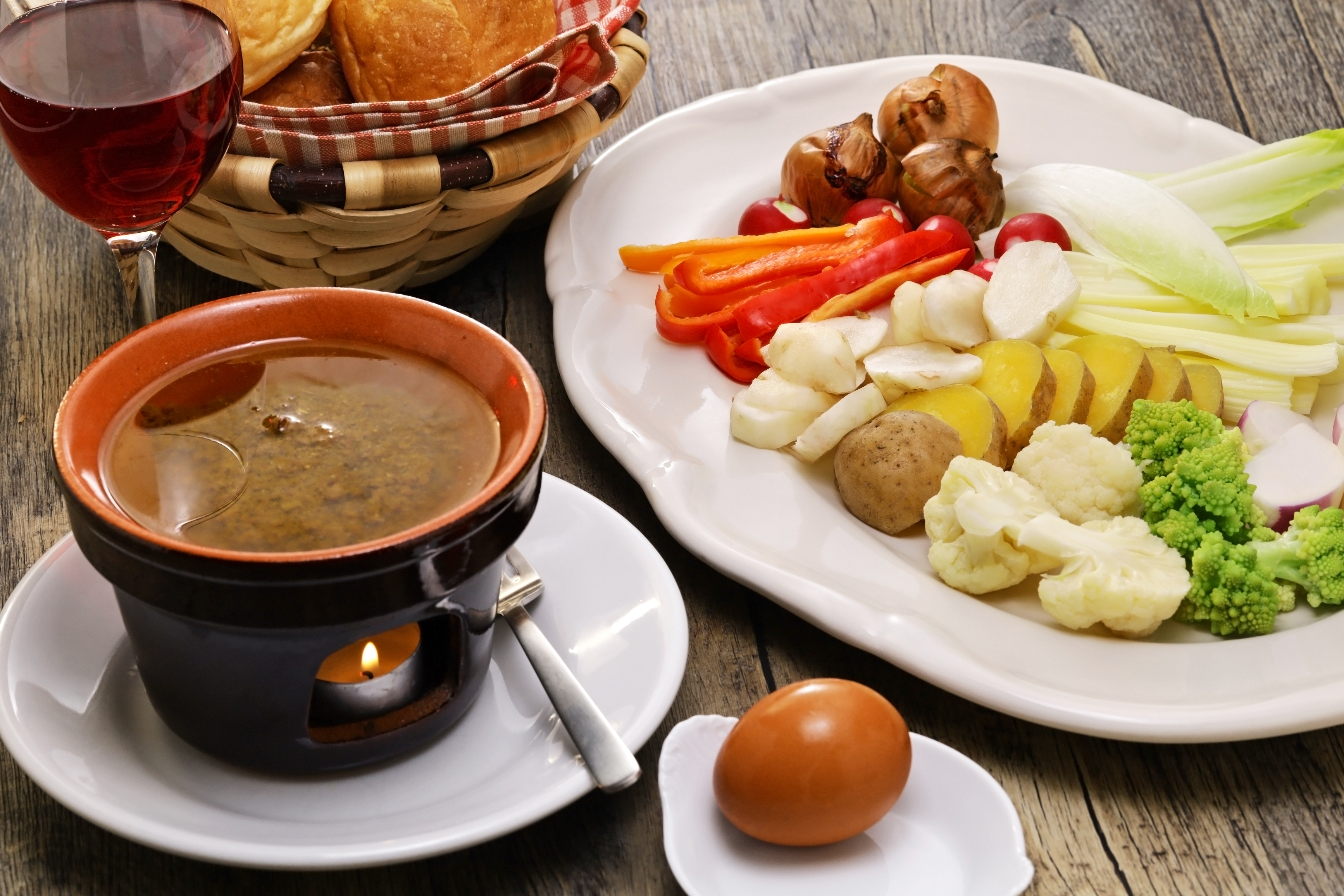
A hallmark of the Langhe culinary tradition is Bagna càuda, a warm, intensely flavorful dip made with anchovies, garlic, and olive oil. Deeply rooted in rural Piedmontese culture, this iconic dish is especially associated with the hills of the Langhe, where it has long been shared among farmers after the grape harvest.
Traditionally served in a small terracotta pot kept warm at the table, bagna càuda is accompanied by a colorful assortment of seasonal vegetables—such as raw peppers, cardoons, fennel, and boiled potatoes—perfect for dipping into the rich, aromatic sauce. More than just a dish, it is a social ritual: friends and family gather around the same pot, turning the meal into a convivial celebration of local flavors.
In the Langhe, bagna càuda is particularly popular during the autumn and winter months, when hearty, comforting dishes define the region’s cuisine. It perfectly reflects the warmth, simplicity, and generosity that characterize Piedmontese food culture.
Agnolotti del Plin
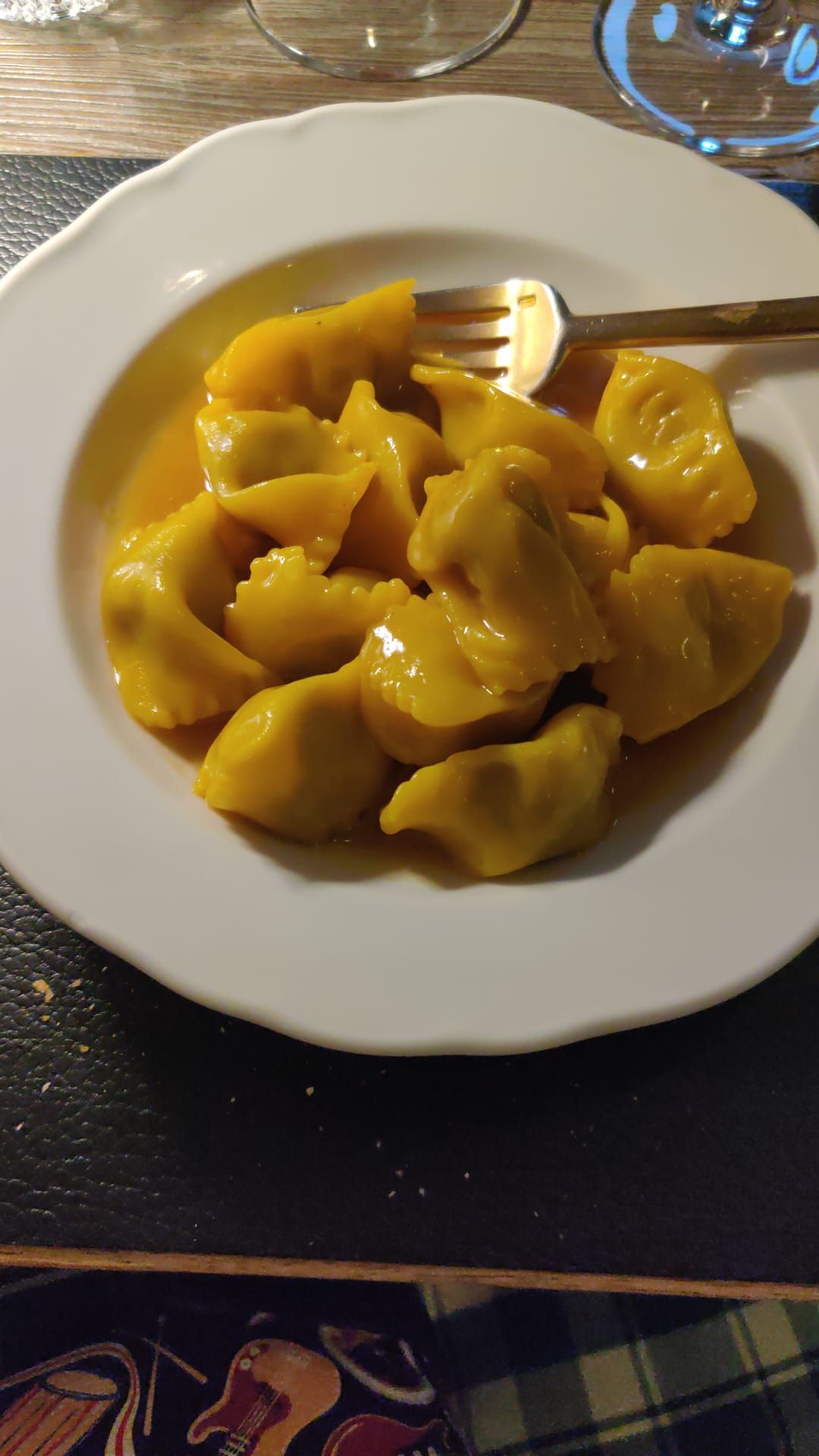
A quintessential pasta dish from Piedmont, agnolotti del plin are small, delicate pockets of pasta filled with roasted meat, often accompanied by a rich meat or butter sauce. "Plin" means "pinch" in Piedmontese, referring to the way the pasta is sealed by pinching the dough. This traditional dish is a must-try when visiting the Langhe, and each bite is packed with robust flavors that pay homage to the region’s culinary expertise.
Vitello Tonnato
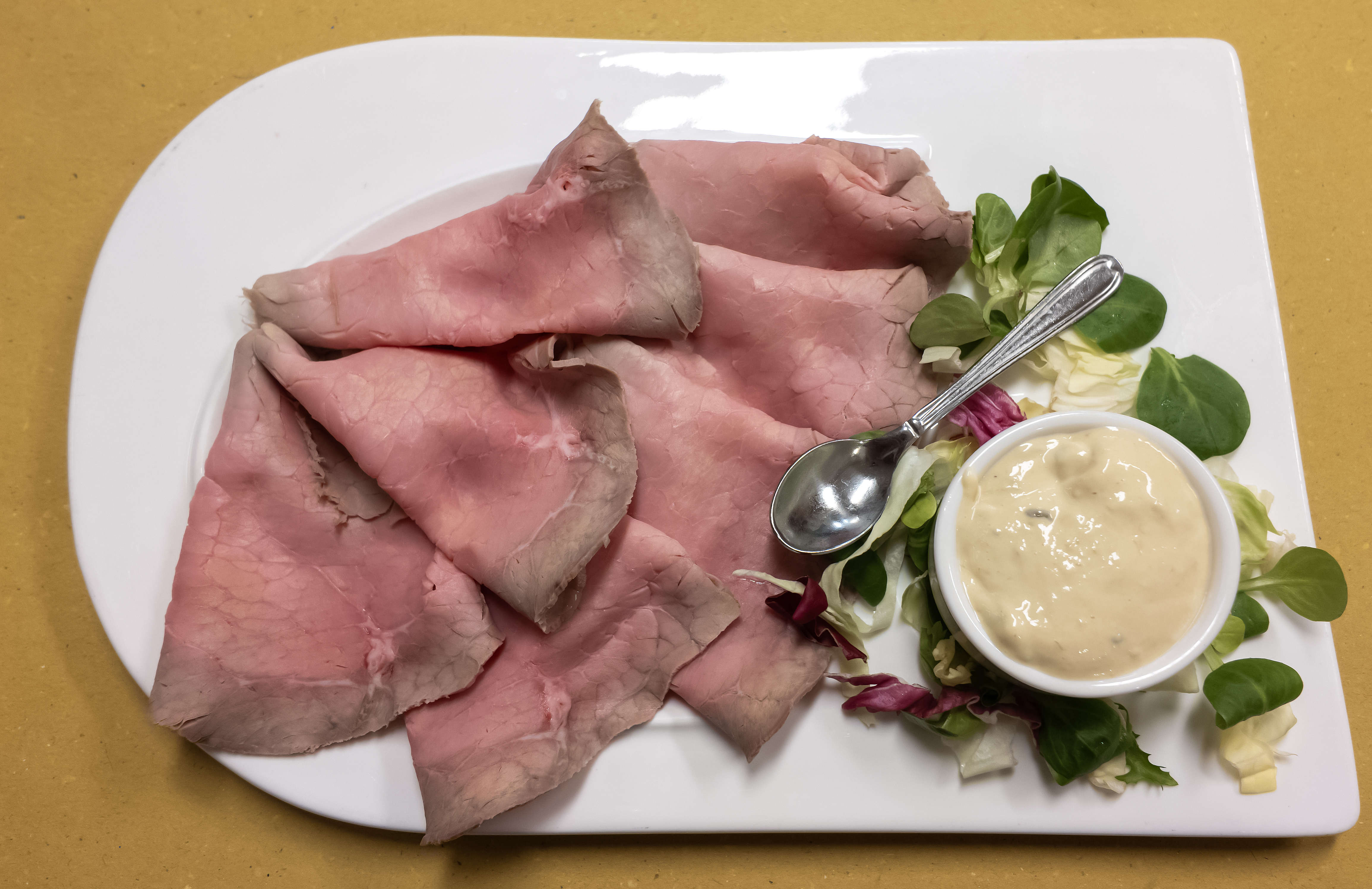
One of the most beloved dishes in Piedmont is vitello tonnato, a cold veal dish served with a creamy, tangy tuna sauce. The combination of tender, thinly sliced veal with the unique tuna-based sauce creates a delightful contrast of flavors. This dish is often enjoyed as an appetizer or as part of a traditional Piedmontese meal, and it's a prime example of the region’s ability to harmonize seemingly unlikely ingredients into something exceptional.
Brasato al Barolo
For a taste of Piedmont’s exceptional wine, try brasato al Barolo, a slow-cooked beef dish braised in Barolo wine. This hearty, flavorful dish showcases the region’s renowned wines and highlights the depth of flavor that comes from slow-cooking meat in this prestigious red wine. The result is a tender, succulent dish that pairs perfectly with a glass of Barolo, making it a must for any food lover visiting Turin.
Bonèt
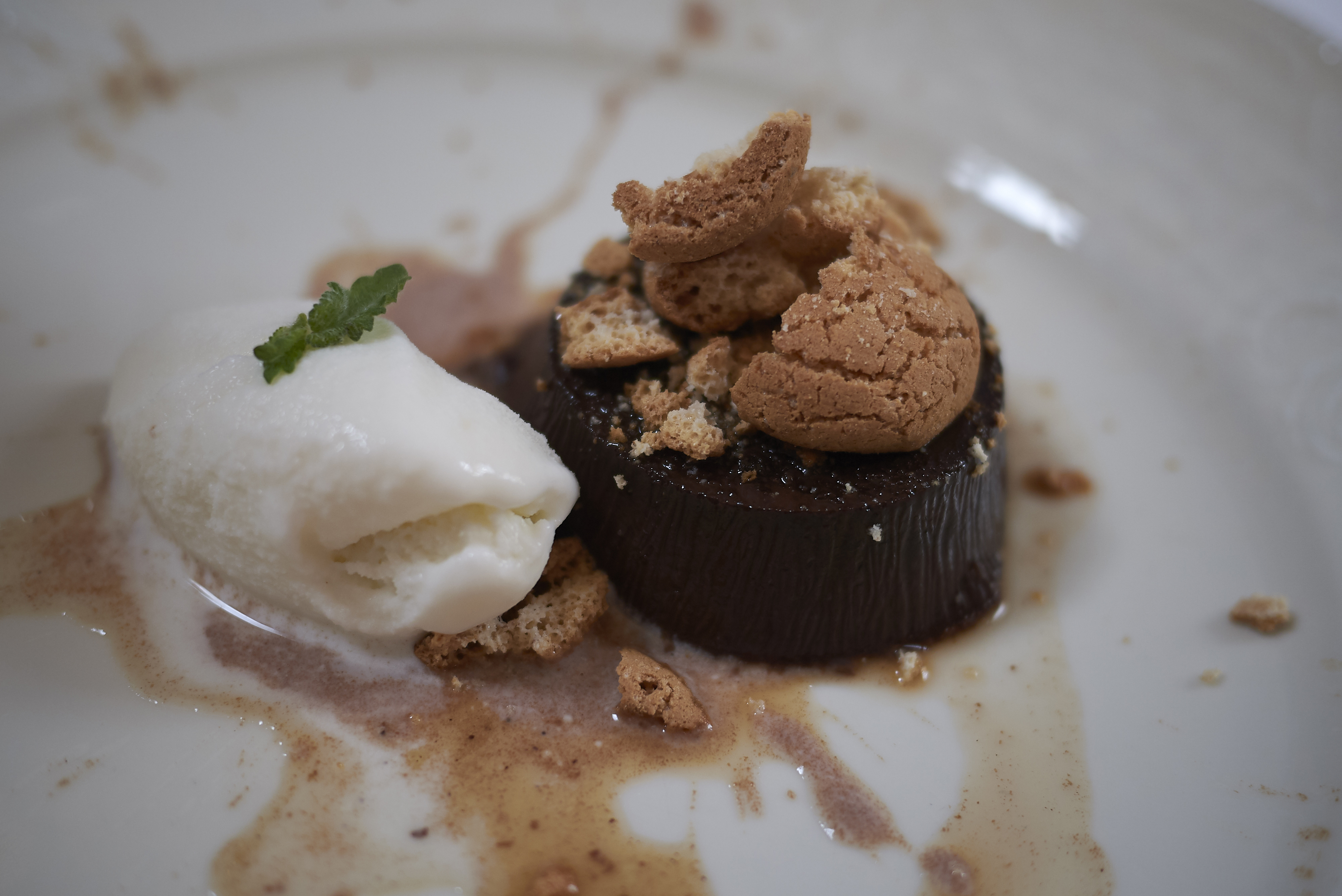
When it comes to dessert, bonèt is a traditional Piedmontese treat that you won’t want to miss. This rich, chocolatey pudding is made with eggs, cocoa, sugar, and amaretti cookies, creating a velvety texture with a subtle almond flavor. Often served with a drizzle of caramel, bonèt is the perfect way to end a meal.
Wine
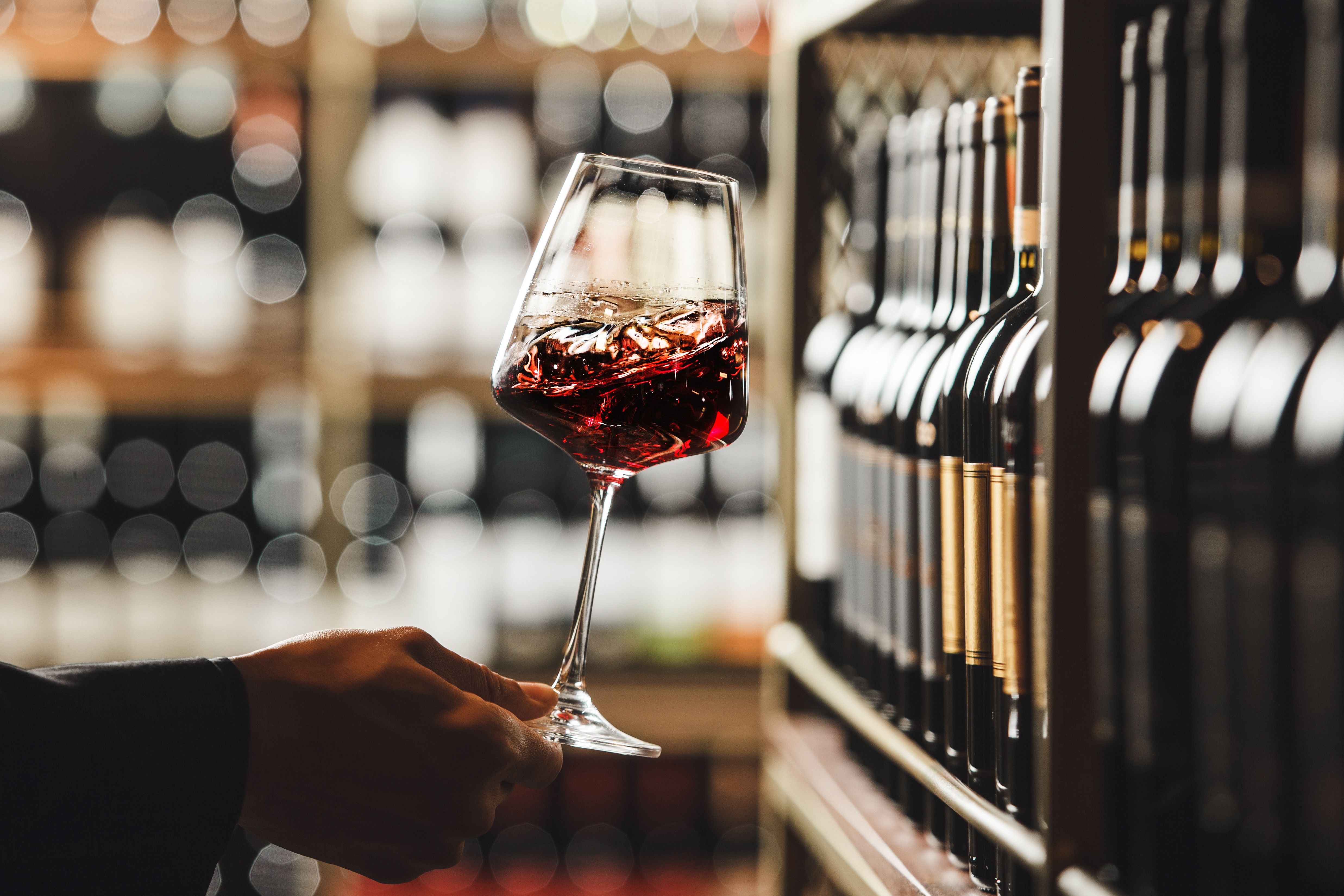
The rolling hills of the Langhe are among the most celebrated wine landscapes in the world and are recognized as part of the UNESCO World Heritage Sites for their historic vineyard culture. This region in southern Piedmont is the heartland of some of Italy’s most prestigious wines, particularly those made from the Nebbiolo grape.
The Langhe produces a variety of exceptional wines, each with its own personality and character:
- Barolo: Often called the “King of Wines and Wine of Kings.” Made from Nebbiolo grapes grown around Barolo, this powerful red wine is known for its firm tannins, high acidity, and complex aromas of roses, tar, cherries, and spices. Barolo is famous for its remarkable aging potential, often developing deeper flavors and elegance over many years.
- Barbaresco: Also produced from Nebbiolo grapes, mainly around Barbaresco. Compared to Barolo, Barbaresco is generally more approachable at a younger age while still offering impressive complexity, with notes of red fruit, violets, herbs, and subtle earthy undertones.
- Barbera d'Alba: A vibrant red wine produced in the hills surrounding Alba. It is known for its high acidity, juicy cherry and plum flavors, and softer tannins compared to Nebbiolo wines.
- Dolcetto d'Alba / Dogliani: It's made from the Dolcetto grape and widely produced in the Langhe hills. Despite the name “Dolcetto,” the wine is dry, typically fruit-forward with flavors of blackberry and plum, often accompanied by hints of almond and cocoa. It is approachable, lightly tannic, and commonly enjoyed as an everyday wine with simple local dishes.
- Roero Arneis: one of the most important white wines of the area, produced from the Arneis grape in the nearby Roero. It is fresh and aromatic, with delicate notes of pear, apricot, almond, and white flowers, making it an excellent pairing with light appetizers, seafood, and vegetable dishes.
- Alta Langa: A high-quality traditional-method sparkling wine produced in the hills of southern Piedmont using Pinot Noir and Chardonnay grapes. Aged for long periods on the lees, Alta Langa offers fine bubbles and complex flavors of citrus, brioche, and toasted nuts, comparable to some of the best sparkling wines in Europe.
Of course, these are just some of the most famous wines of the Langhe. The region also produces many other interesting labels and various small-production wines from local wineries that reflect the incredible diversity of the territory.
👉 To truly understand the soul of this region, a visit to a local cantina🔗 (winery) is an absolute must.
Bollito
Bollito is one of the most traditional comfort dishes of the Langhe and a classic expression of Piedmontese culinary heritage. This hearty dish consists of several cuts of meat—typically beef, veal, and sometimes chicken or sausage—slowly simmered for hours with vegetables and aromatic herbs until perfectly tender.
Traditionally served with flavorful accompaniments such as salsa verde or other local sauces, bollito misto is a simple yet deeply satisfying dish that reflects the rustic farming traditions of the Langhe hills. It is especially popular during the colder months, when slow-cooked meals and rich flavors dominate the local table.
⚠️Just be warned: bollito is not for the faint of heart—it often includes some “odd” cuts of meat that might surprise unprepared diners!
Fritto misto alla piemontese
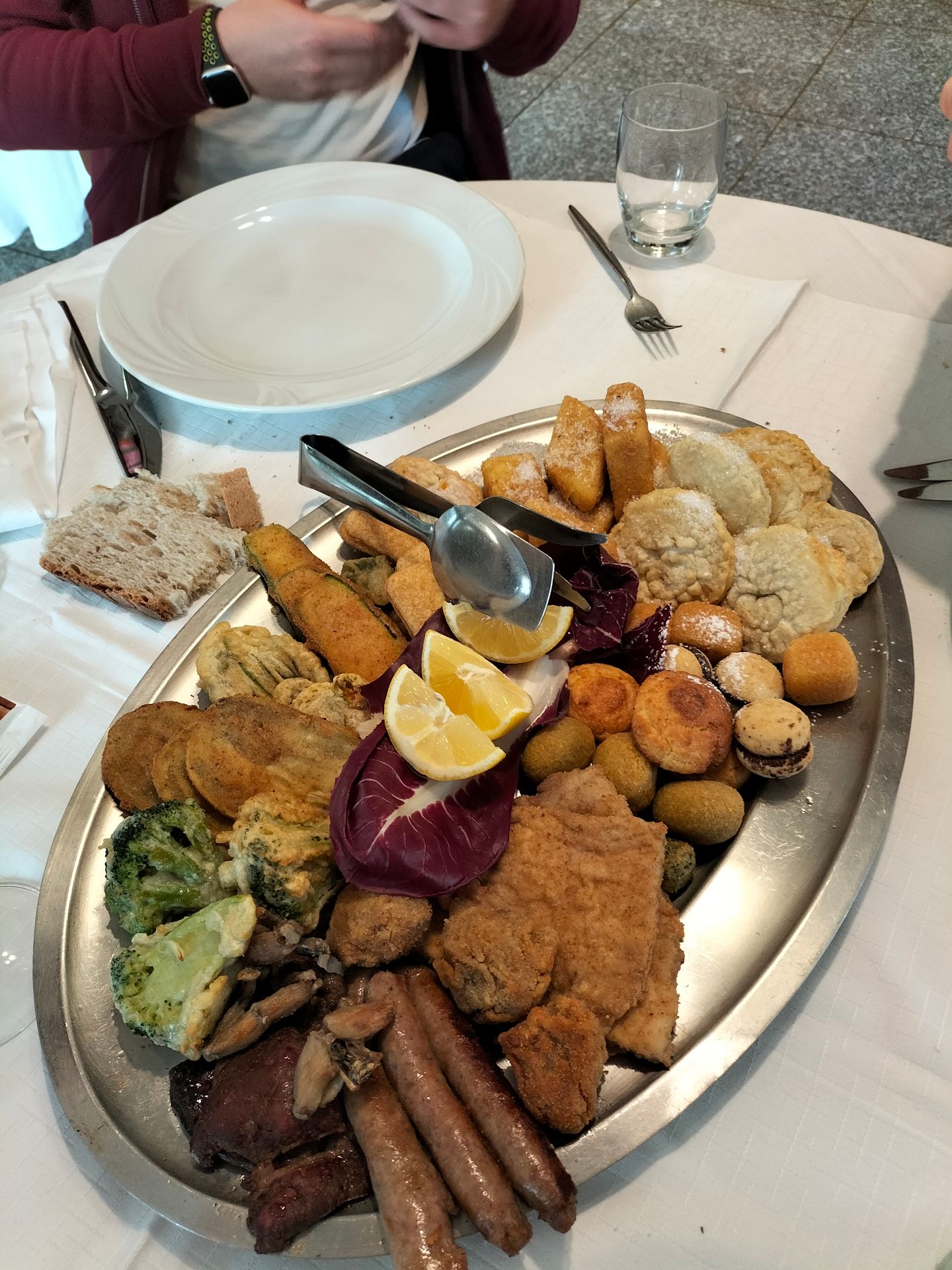
Fritto misto alla piemontese is one of Piedmont’s most intriguing and historic dishes—a generous platter of both sweet and savory bites, all lightly fried to golden perfection. Traditionally, it includes an eclectic mix: pieces of veal, sausage, seasonal vegetables, amaretti, semolino “milk squares,” and even fruit, creating a surprising yet harmonious combination of flavors. It’s a celebration dish, rich and playful, offering a true taste of the region’s culinary creativity.
Carne cruda di Fassona
Carne cruda di Fassona is a beloved Piedmontese specialty—a delicate, finely hand-chopped raw beef dish made from Fassona, a prized local cattle breed known for its exceptional tenderness and subtle flavor. Unlike other tartares, it’s seasoned lightly with high-quality olive oil, a touch of lemon, salt, and sometimes a hint of garlic, letting the meat’s natural sweetness and silky texture take center stage.
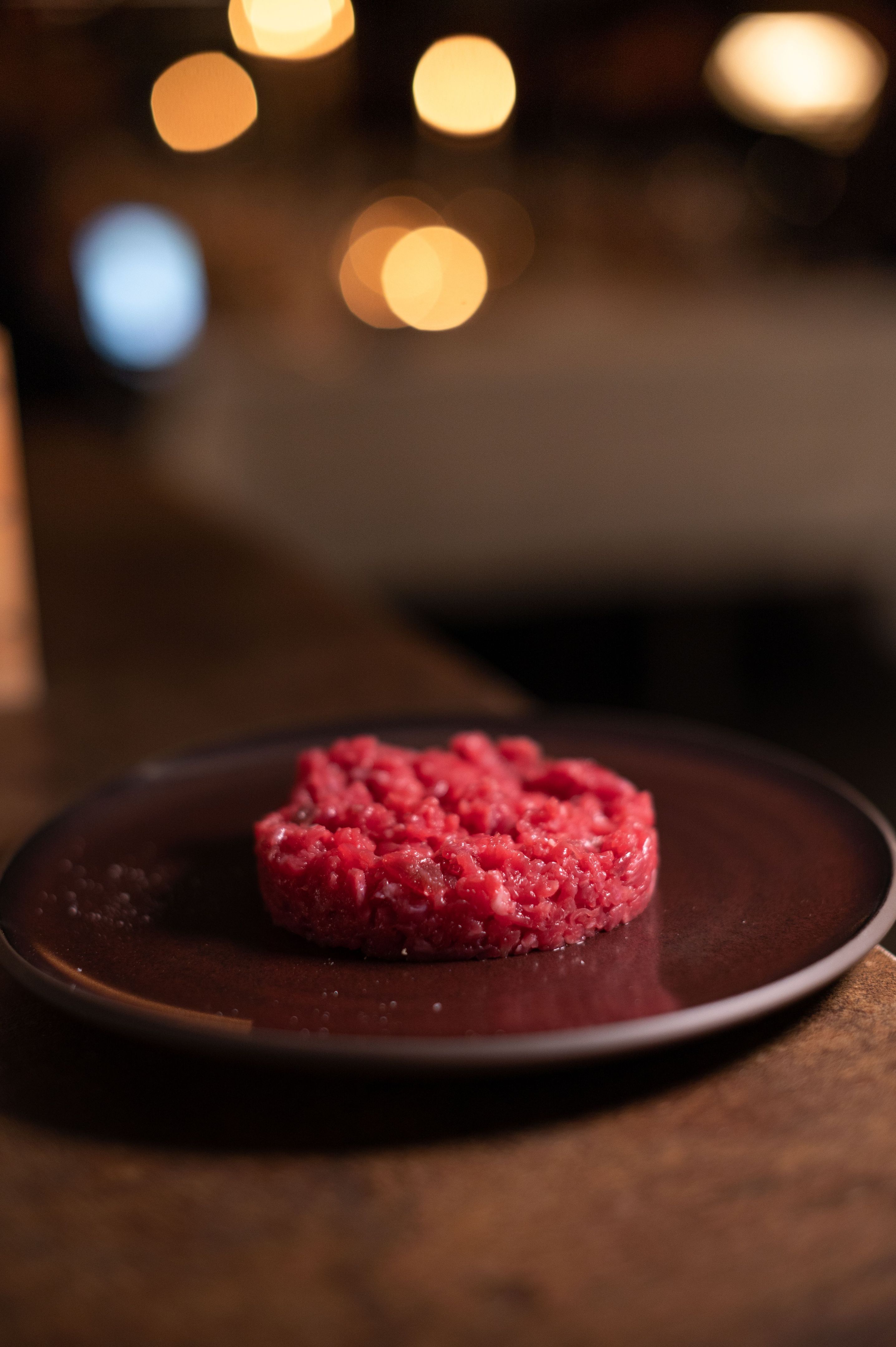
✨ I know that raw meat might sound a bit unusual if you’re coming from a culture where it’s not commonly eaten, but Italian cuisine goes far beyond the classic pasta-and-pizza stereotype. Carne cruda di Fassona is a perfect example of how refined and regional our food can be. So if you’re exploring Langhe’s culinary scene, be a little adventurous and give it a chance—you might end up loving it!
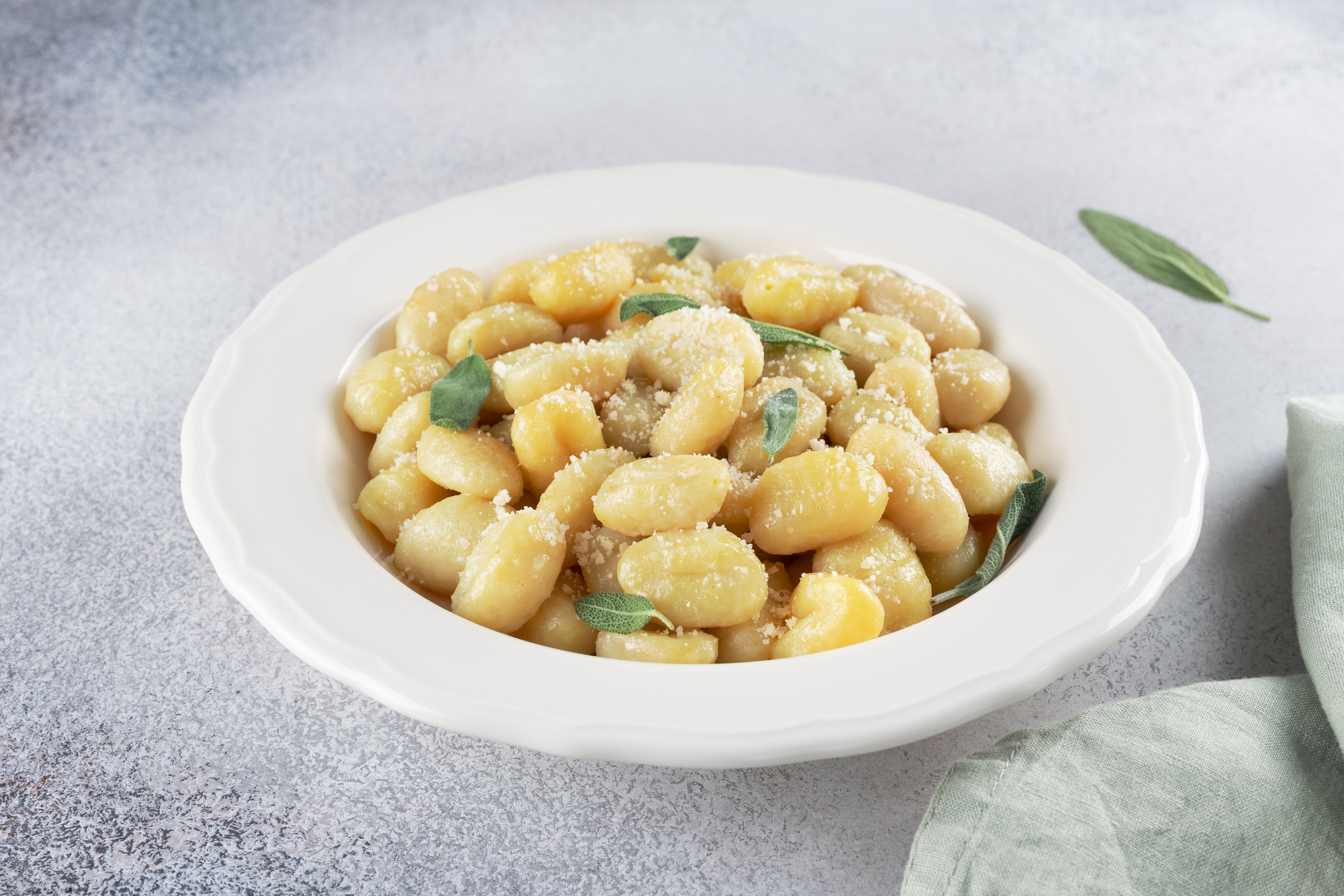
Gnocchi
Gnocchi are one of the most comforting and loved dishes in Italian cuisine—soft, pillowy dumplings traditionally made from potatoes, flour, and sometimes egg. In the wider Piedmont region, they’re often served with rich, velvety sauces like butter and sage, Castelmagno cheese, or hearty ragù, turning a simple recipe into a deeply satisfying meal. Their texture is light yet indulgent, perfect for those cozy northern Italian vibes.
Restaurant Recommendations in the Langhe
Below are some excellent restaurants to try in the Langhe. The "€" reflects the price range.
- Bar la Terrazza da Renza 🔗 €: The ultimate hilltop pit-stop! Grab a glass of local wine, a simple platter of cheese, and soak in those sweeping vineyard views.
- Osteria da Gemma 🔗 €€: Stepping in here feels like a warm hug from a Piedmontese nonna. Famous for its authentic soul and endless handmade pasta, it’s a legendary spot for anyone craving the real deal. Booking here is essential, as it's very popular.
- Disguido Osteria di Ugo Alciati 🔗 €€: A cool, contemporary take on the traditional osteria. Expect clean flavors and a laid-back, stylish vibe that proves tradition can be incredibly hip.
- Osteria Veglio 🔗 €€: Imagine dining on a breezy terrace overlooking the hills. The menu strikes a perfect chord between regional roots and a fresh, creative touch.
- Repubblica di Perno 🔗 €€: Tucked away in a charming village, this spot offers refined comfort food in a cozy, intimate setting. It’s the kind of place where you’ll want to linger for hours.
- Trattoria della Posta 🔗 €€: Set in a beautifully restored farmhouse, this is elegant countryside dining at its finest. It’s romantic, polished, and deeply rooted in the flavors of the land.
- Trattoria La Coccinella 🔗 €€: A true hidden gem for those "in the know." This family-run spot focuses on top-tier ingredients and soulful, sophisticated cooking that never tries too hard.
- Gastronomia Urbana 🔗 €€: Fast-paced, trendy, and full of life! This is where high-quality deli-style eats meet a vibrant, modern energy—perfect for a delicious, high-end lunch on the go.
- Trattoria Del Bollito 🔗 €€: A meat lover’s sanctuary. This place is a tribute to the legendary Piedmontese "bollito misto" tradition, served with passion in a classic, welcoming environment.
- Cortiletto d'Alba 🔗 €€: A peaceful, charming escape right in the heart of the city. Its intimate courtyard is the perfect backdrop for a fresh, seasonal meal away from the hustle.
- La Piola 🔗 €€: The colorful heartbeat of Alba’s main piazza. It’s lively, casual, and serves up the most iconic local dishes with a side of great people-watching.
- Campamac Osteria 🔗 €€€: Chic, upscale, and undeniably cool. With its open kitchen and incredible wine cellar, this is the place to be for a high-energy foodie experience.
- Locanda Fontanazza 🔗 €€€: Farm-to-table excellence with some of the best vineyard views in the region. It’s relaxed yet high-end, making it a favorite for a scenic, sun-drenched lunch.
- L'Argaj 🔗 €€€: Where modern elegance meets traditional recipes. The panoramic terrace is a showstopper, offering a dining experience that feels both grand and personal.
- Langotto Ristorante 🔗 €€€: Contemporary flair in a sleek, stylish setting. The focus here is on seasonal excellence and creative plating that looks as good as it tastes.
- Ristorante Borgo Sant'Anna 🔗 €€€: Fine dining that feels like a dream. The dishes are works of art, and the location—perched above the hills—is nothing short of breathtaking.
- Osteria dell'Arco 🔗 €€€: A sophisticated Slow Food sanctuary tucked away in a quiet courtyard. It’s the perfect spot for a thoughtful, quiet dinner centered on local biodiversity.
- Alessandro Mecca Al Castello di Grinzane Cavour🔗 €€€€: A truly prestigious experience inside a historic UNESCO castle. While it doesn't hold a Michelin star, the level of technical mastery and culinary artistry is absolutely world-class—comparable to the very best starred kitchens in Italy.
Related Articles
| A local's guide to Turin Italy |
| Best Food in Naples Italy |
| A Local's Guide to southern italy food: Puglia |
| What to eat in Venice Italy |
| Best Food in Sicily Italy |
| A Local's Guide: Best Food in Matera |