A Local's 2 Week Itinerary Sicily


Two weeks in Sicily
Having explored countless corners of Italy, I can confidently say that Sicily is one of the most captivating regions in the country. Surrounded by the sparkling Mediterranean and dominated by the majestic silhouette of Mount Etna, this island offers a unique blend of ancient history, vibrant traditions, and raw authenticity. From its impressive archaeological sites and baroque towns to its lively markets and breathtaking coastlines, Sicily delivers an unforgettable Italian experience—far beyond the usual tourist trails, full of character and stories waiting to be discovered.
Heads up: this page may include affiliate links. By clicking and/or purchasing, I may receive a small commission at no extra cost for you. I only recommend tools I have personally vetted.
Practical Information
Location
Sicily, the Mediterranean’s largest island, is a world of contrasts and endless discoveries. Just off the “toe” of Italy’s boot, it blends layers of ancient history with a vibrant, living culture. Here, bustling cities meet quiet hilltop villages, golden beaches give way to volcanic slopes, and the sea stretches toward clusters of enchanting smaller islands—each with its own character.
Transportation & Exploration
✈️ By Plane: Sicily has two main international airports: Palermo (Falcone-Borsellino Airport) in the northwest and Catania (Fontanarossa Airport) in the east. Both connect to major European cities and Italian hubs like Rome and Milan. Smaller airports in Trapani and Comiso serve budget airlines.
👉 You can book your plane ticket here🔗
🛳 By Ferry: You can also reach Sicily by ferry from mainland Italy (Naples, Reggio Calabria, Villa San Giovanni) or other Mediterranean destinations. The main ports are in Palermo, Messina, and Catania.
⚠️ I wouldn’t recommend it – it’s costly and takes a long time.
🚗 By Car: To truly experience Sicily, renting a car is highly recommended. A car gives you the freedom to explore remote beaches, hilltop villages, and natural wonders like Mount Etna or the Valley of the Temples at your own pace. That said, driving in Sicily can be an adventure in itself—locals drive with passion (and sometimes like crazy!), but honestly, it’s part of the charm. Avoid driving in the city centers of Palermo and Catania, which can feel like a jungle. Instead, look for monitored parking areas on Google Maps; they cost a little extra, but it’s worth it to leave your car there (watched) and explore on foot.
👉 You can book your car on Booking🔗
⚠️ Parking can be tricky, especially in coastal towns. Here’s what you need to know:
- White stripes: Free parking, but check for time limits—these are always indicated on nearby signs.
- Blue stripes: Paid parking. Display your ticket clearly on the windshield, and watch for any time restrictions.
- Yellow stripes: Reserved for people with disabilities, police, or other special uses—avoid parking here.
- Blue + yellow stripes: Reserved for residents. Unless you have a special permit from your hotel, you cannot park here. In many coastal towns, these spaces—and sometimes even other areas—are often reserved exclusively for residents, so be especially careful.
🚆 By Train & Bus: If you prefer not to drive, you can rely on Trenitalia for train connections between major cities (e.g., Palermo–Catania, Catania–Messina). Buses often cover routes that trains don’t, such as smaller inland towns. Tickets are affordable and available at stations or online.
⚠️ While trains and buses do exist, getting around with them can be challenging. They’re slow and prone to delays.
🚶♂️ On Foot: Sicilian cities like Palermo, Catania, and Syracuse are best explored on foot, especially their historic centers filled with lively markets, ornate churches, and narrow streets brimming with character. Many of the main attractions are within walking distance, so pack comfortable shoes and be ready to wander.
Weather
Sicily enjoys a classic Mediterranean climate with hot, dry summers and mild winters:
- ☀️ Summer (June to August): Hot and sunny, with temperatures often between 28°C and 35°C (82°F to 95°F). Perfect for beaches, but be prepared for heat in inland areas.
- 🍂 Autumn (September to November): Warm and pleasant, 18°C to 28°C (64°F to 82°F). Fewer tourists and plenty of cultural festivals make this a fantastic time to visit.
- ❄️ Winter (December to February): Mild, 10°C to 16°C (50°F to 61°F). Snow is rare except on Mount Etna, where you can even go skiing!
- 🌸 Spring (March to May): Lovely weather, 15°C to 25°C (59°F to 77°F), wildflowers in bloom, and ideal for sightseeing without the summer crowds.
Accommodation
Sicily offers everything from luxury seaside resorts and boutique hotels in historic palazzos to family-run B&Bs and agriturismi (farm stays).
- Siracusa: Agritourist Rinaura Campeggio 🦉 Tripadvisor 🔗
- Cefalù: Campeggio Sanfilippo 🅱️ Booking 🔗
- Palermo: B&B La Tua Dimora 🅱️ Booking 🔗 🆃 Trip 🔗
- Catania: Domus Coralla B&B Racconti di Viaggio 🅱️ Booking 🔗 🆃 Trip 🔗
👉 On my trip, I chose campgrounds because I could bring my own tent and car, giving me the freedom to explore at my own pace. If you love being surrounded by nature, this is an amazing way to experience the area.
Best travel guide to Sicily
South of Sicily
Southern Sicily is a land of stunning beaches, charming towns, and rich history. From ancient Greek temples to sun-soaked coastlines and picturesque baroque cities, this region offers a unique mix of culture, nature, and authentic Sicilian life.
Agrigento
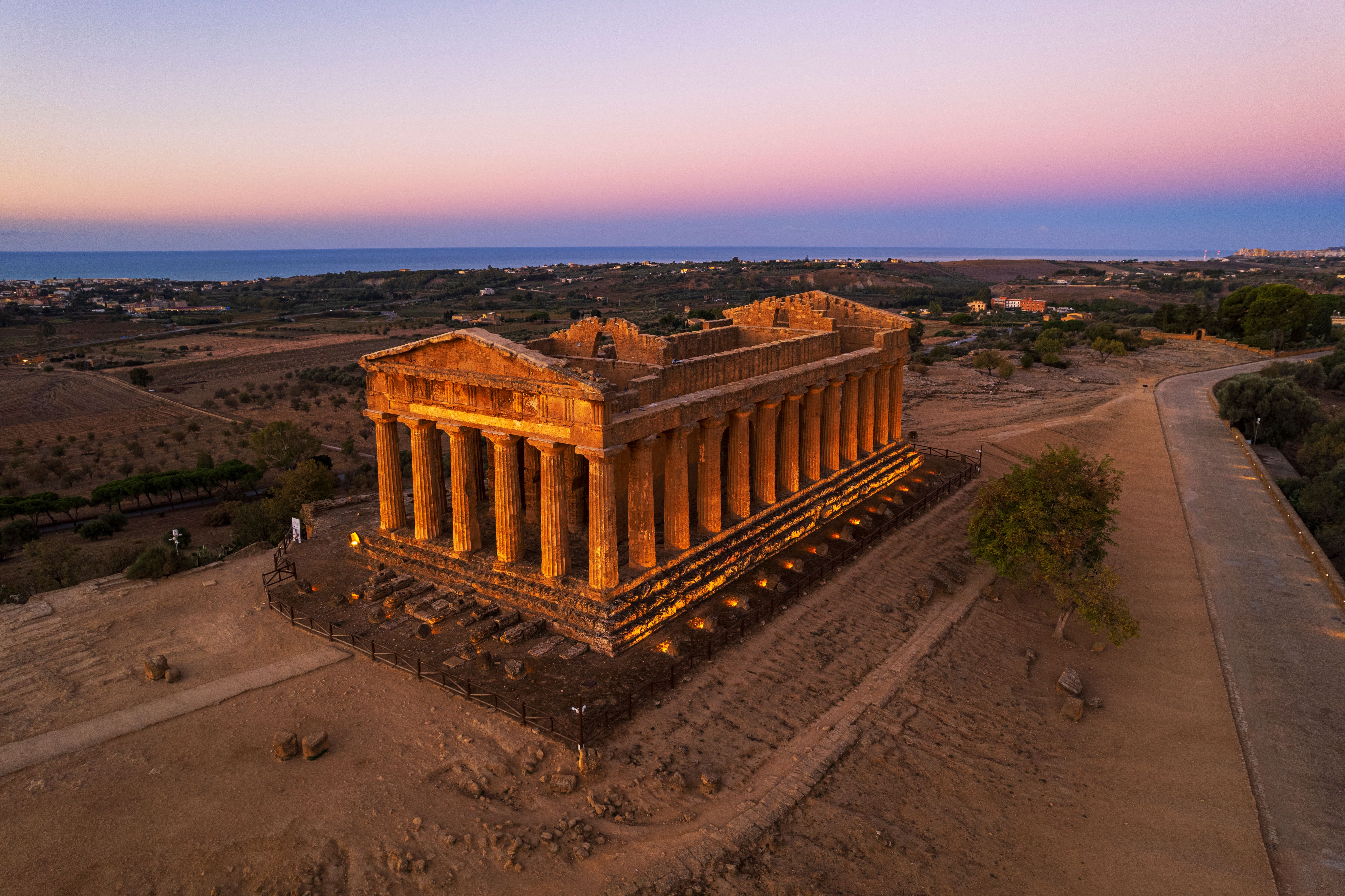
Agrigento is one of those places that immediately transports you back in time. Perched on a hill, its historic center overlooks one of the most important archaeological sites in the Mediterranean.
The real highlight is the Valley of the Temples, where massive ancient Greek structures rise among olive trees and rolling hills. Walking here feels surreal — especially when the light turns golden at the end of the day.
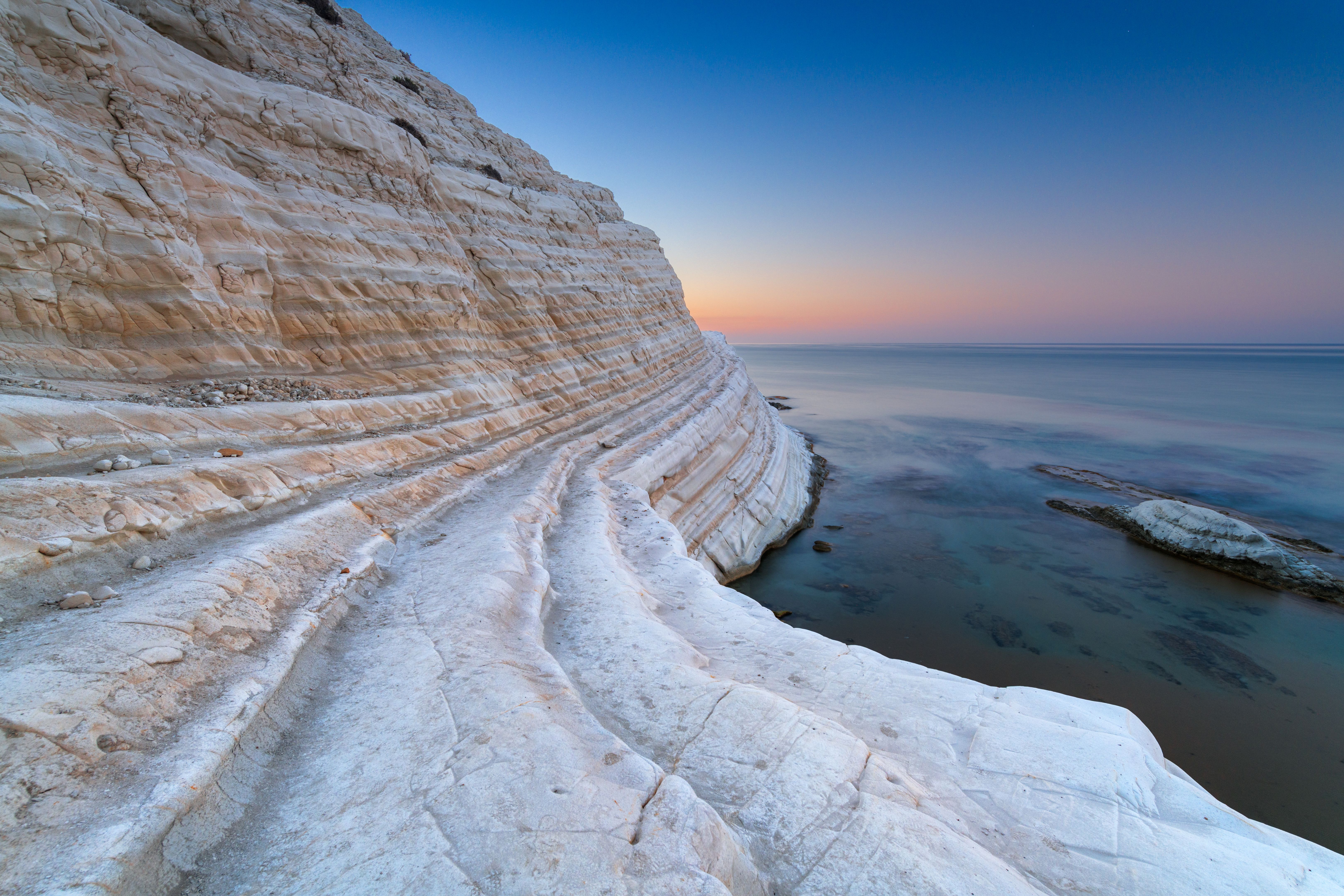
Not far from the city, Scala dei Turchi offers a completely different landscape: smooth white cliffs cascading into a turquoise sea, one of the most unique coastal spots in Sicily.
📌 Practical Tips
- Visit the Valley of the Temples at sunset for the best atmosphere
- Go early to Scala dei Turchi to avoid crowds
- Stay at least one night to explore calmly
👉 Want to plan your visit in detail? Check out my complete guide🔗 to Agrigento, including the best time to visit the Valley of the Temples and how to organize your day.
Val di Noto (Noto, Modica, Ragusa & Caltagirone)
This region is the heart of Sicilian baroque — elegant, warm, and incredibly photogenic.
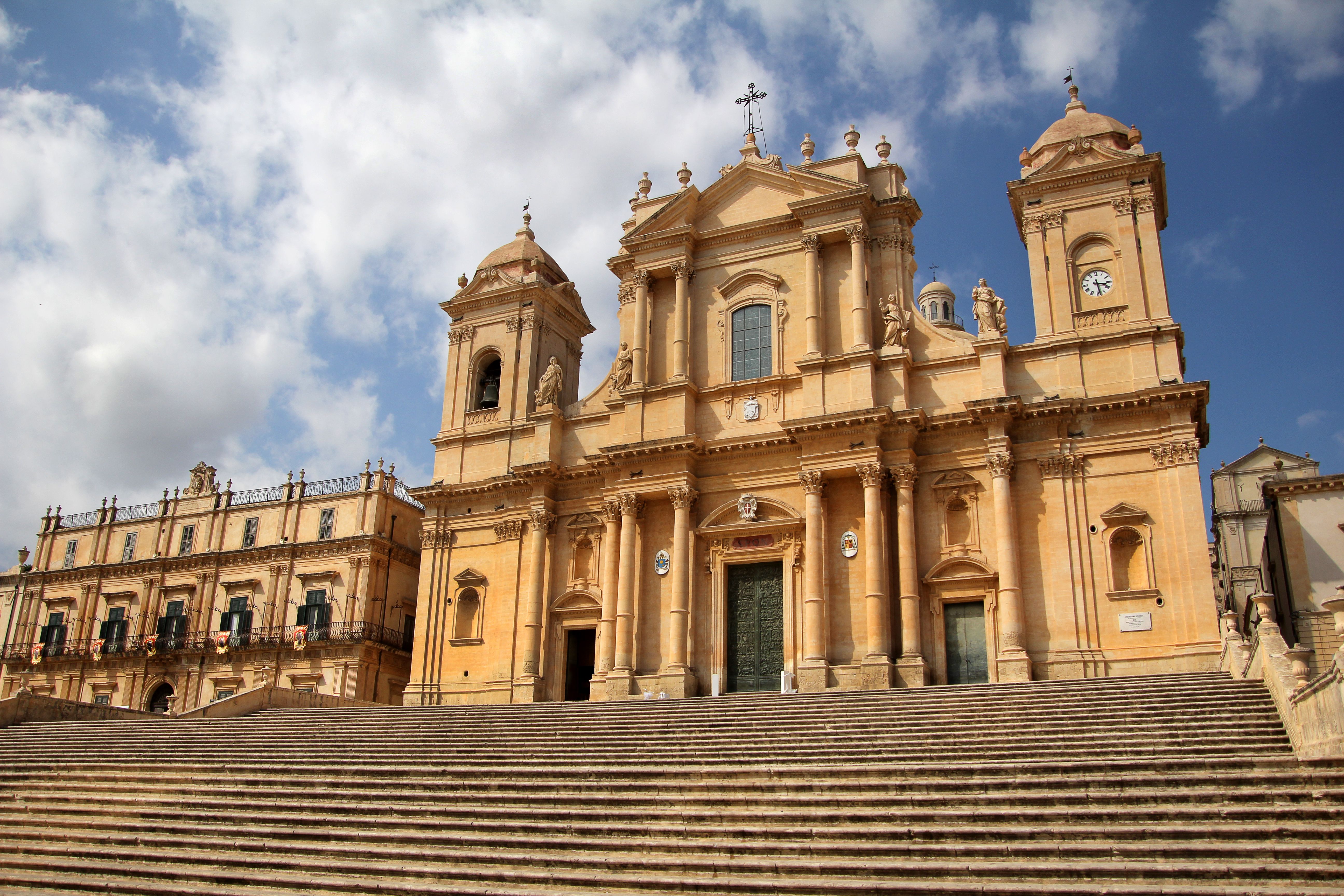
Noto feels like an open-air museum with perfectly aligned streets and golden buildings.
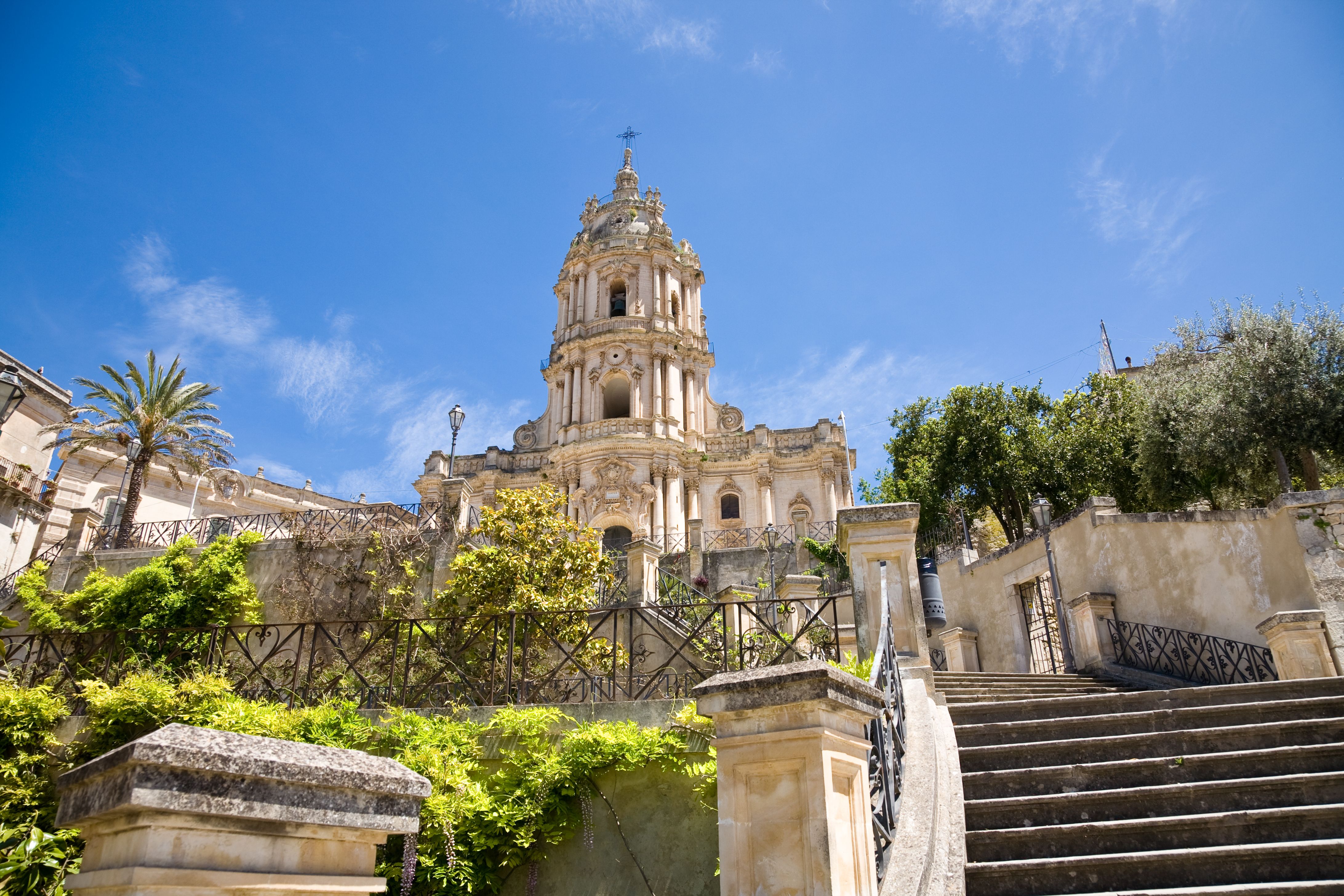
Modica is more intimate, built into the hills and famous for its traditional chocolate.
Ragusa is quieter and more authentic, with one of the best food scenes in Sicily.
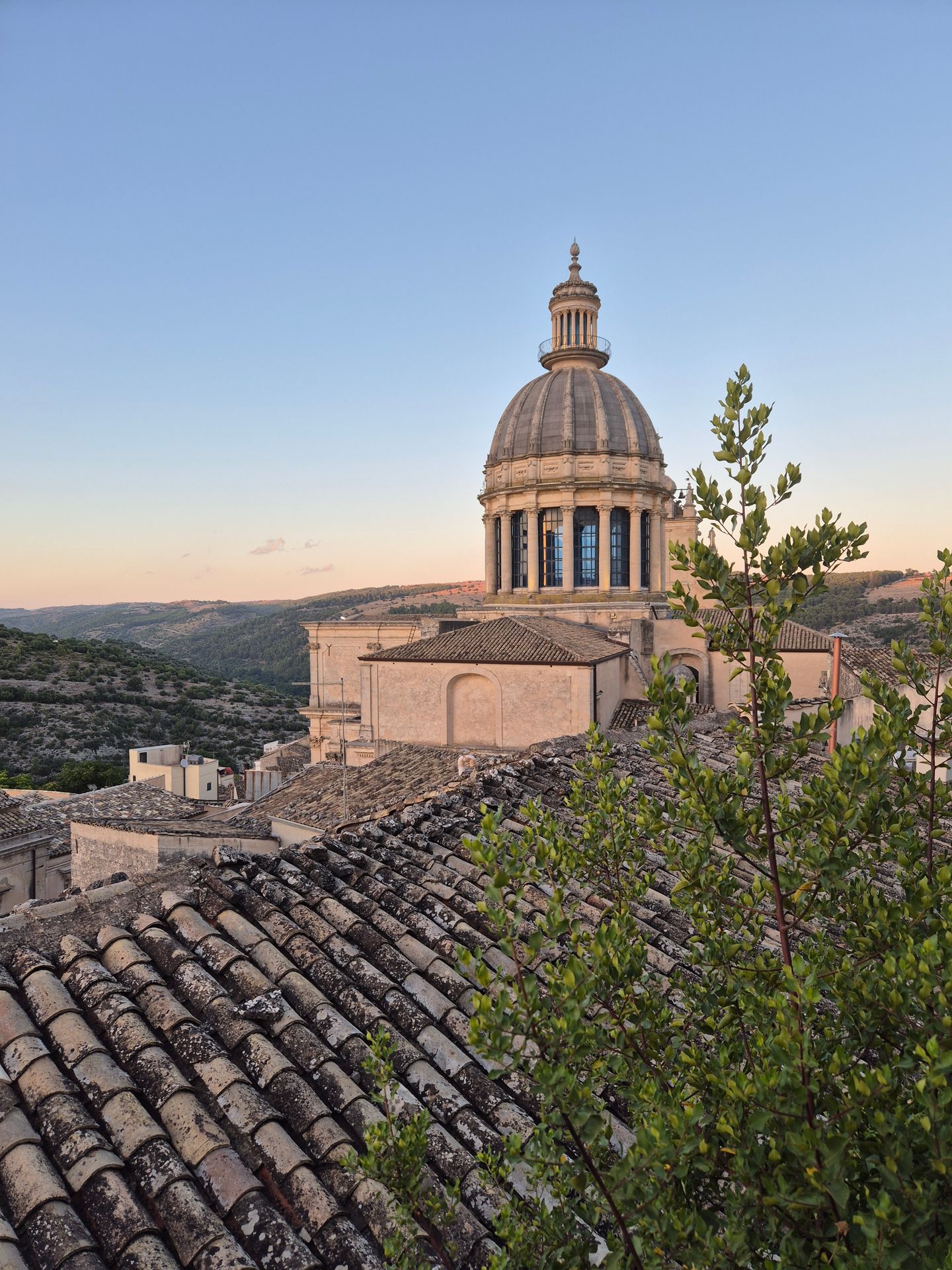
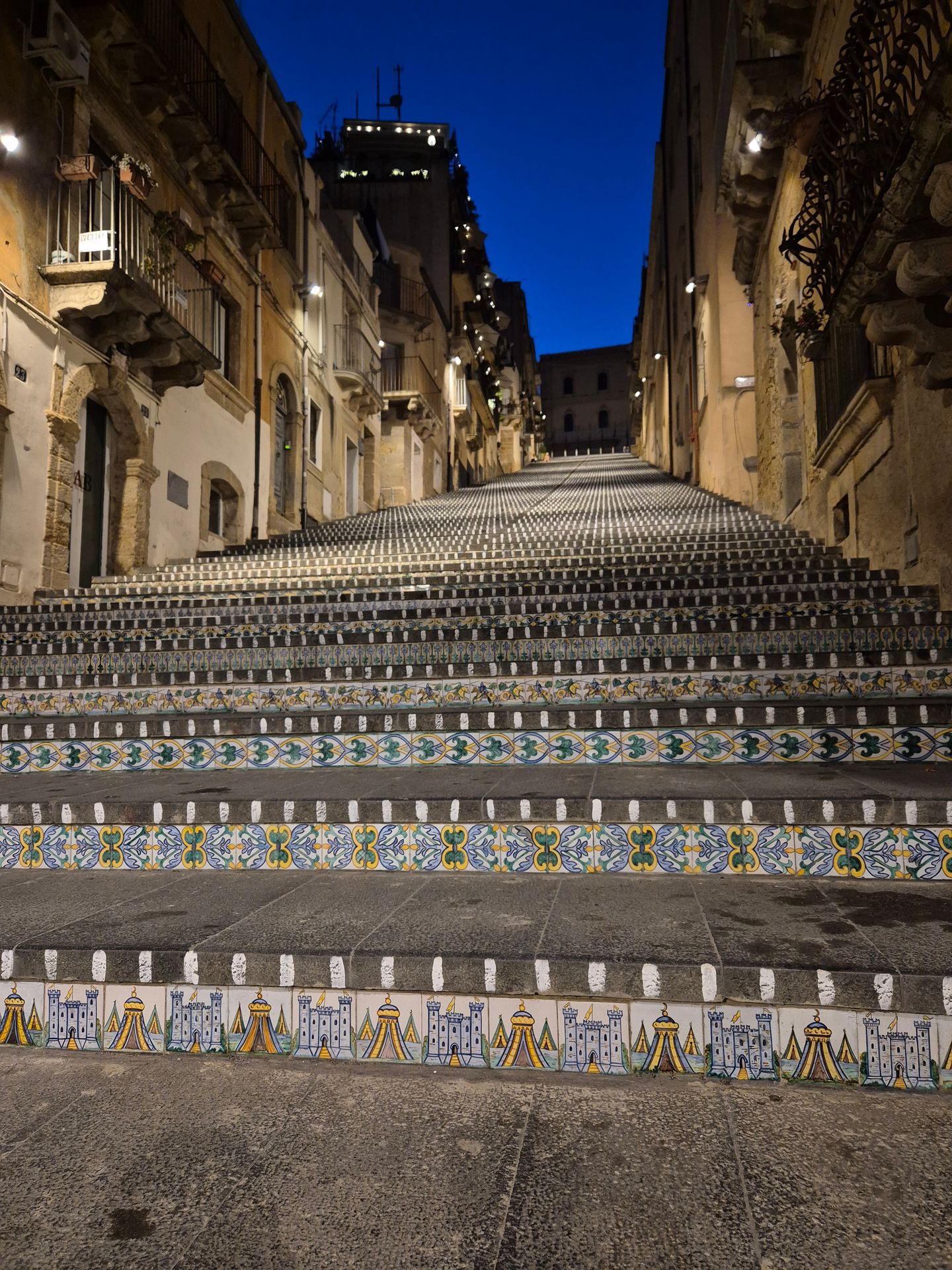
Just slightly inland, Caltagirone adds a different but perfectly complementary flavor to the region. Known as the ceramic capital of Sicily, it stands out for its artistic identity rather than just architecture. The highlight is the famous Scalinata di Santa Maria del Monte, a monumental staircase decorated with hand-painted ceramic tiles that changes character with every step. It’s a town where craftsmanship is everywhere — from small artisan shops to historic ceramics that reflect centuries of tradition.
📌 Practical Tips
- Don’t try to visit all three towns in one day
- Best light is early morning or late afternoon
- Ragusa is perfect for sunset and dinner
👉 If you want a deeper look at these baroque towns, I’ve put together a full guide to Val di Noto🔗 with detailed stops, food spots, and a perfect day-by-day route
Syracuse & Ortigia Island
Syracuse is one of the most historically important cities in Sicily, once a major power in the ancient Greek world.
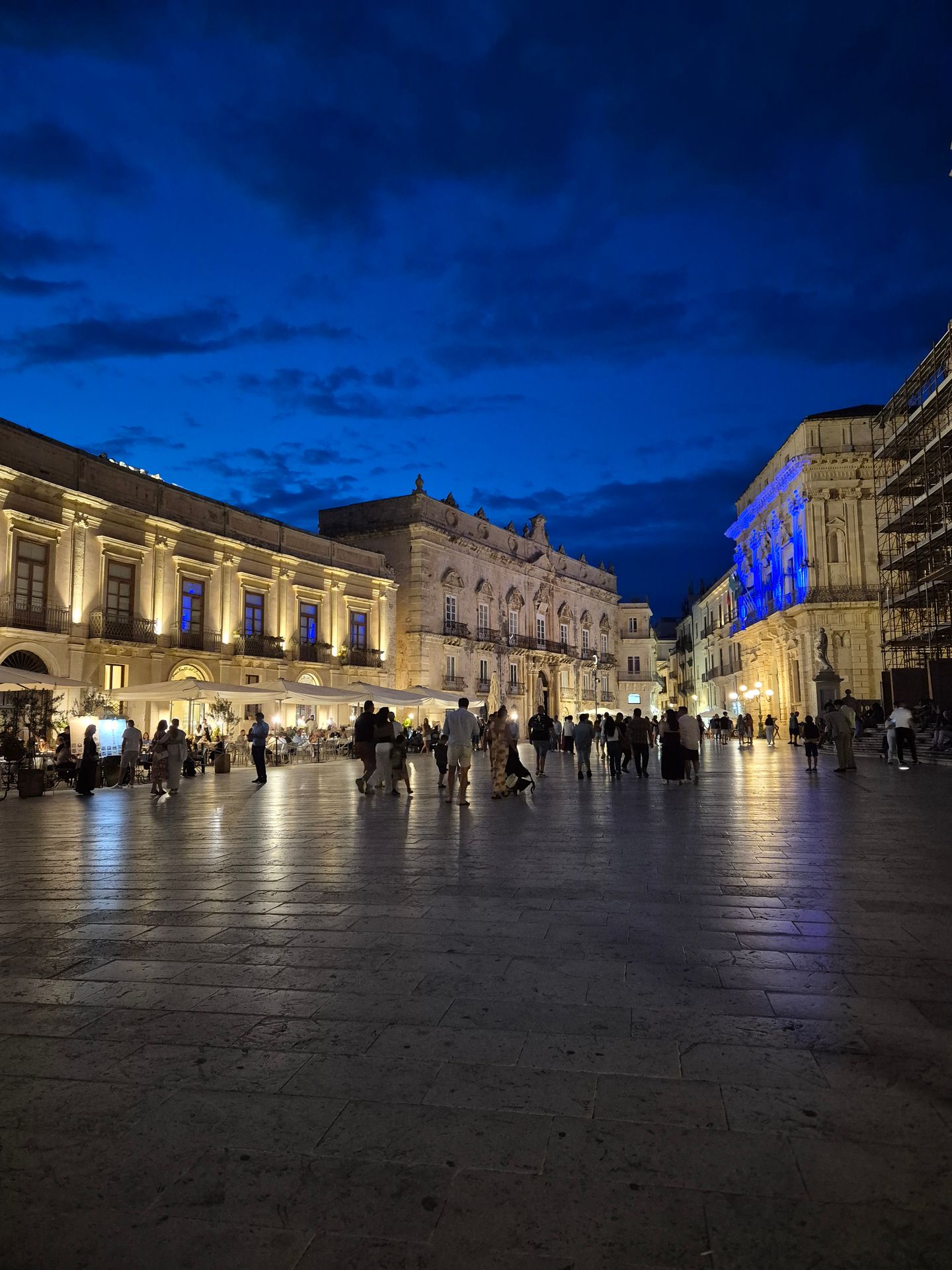
The Neapolis Archaeological Park is impressive, but the real magic is in Ortigia, the old town on a small island. Narrow streets, lively markets, elegant squares, and the sea always nearby make it one of the most atmospheric places on the island.
📌 Practical Tips
- Stay in Ortigia if possible
- Book restaurants in advance in high season
- Take a boat tour for the best views of the coast
👉 Planning to stay here? Don’t miss my detailed Syracuse and Ortigia guide🔗 with the best things to do, where to eat, and how to make the most of your time.
Marzamemi & Vendicari
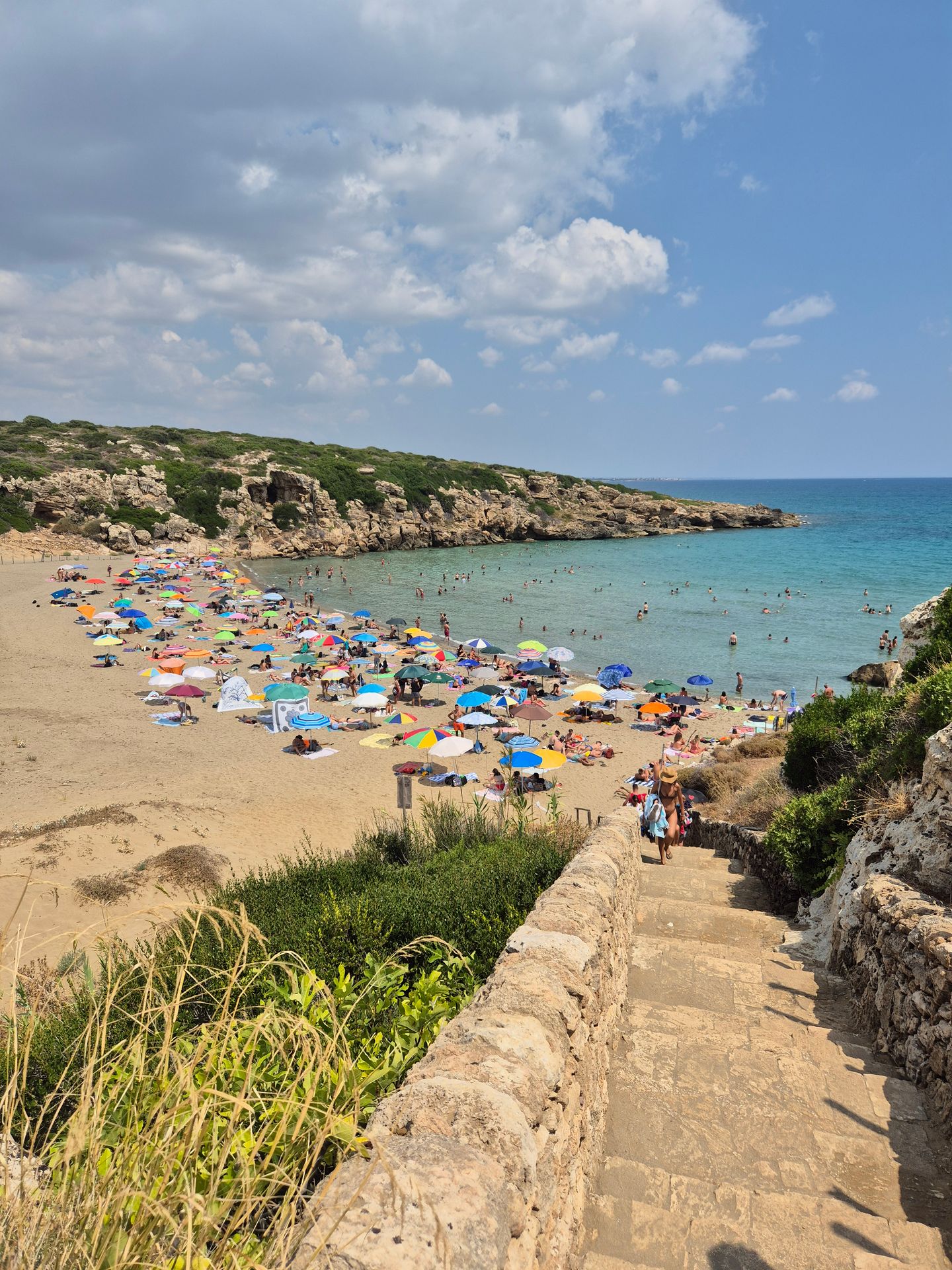
This part of Sicily offers a slower and more natural experience.
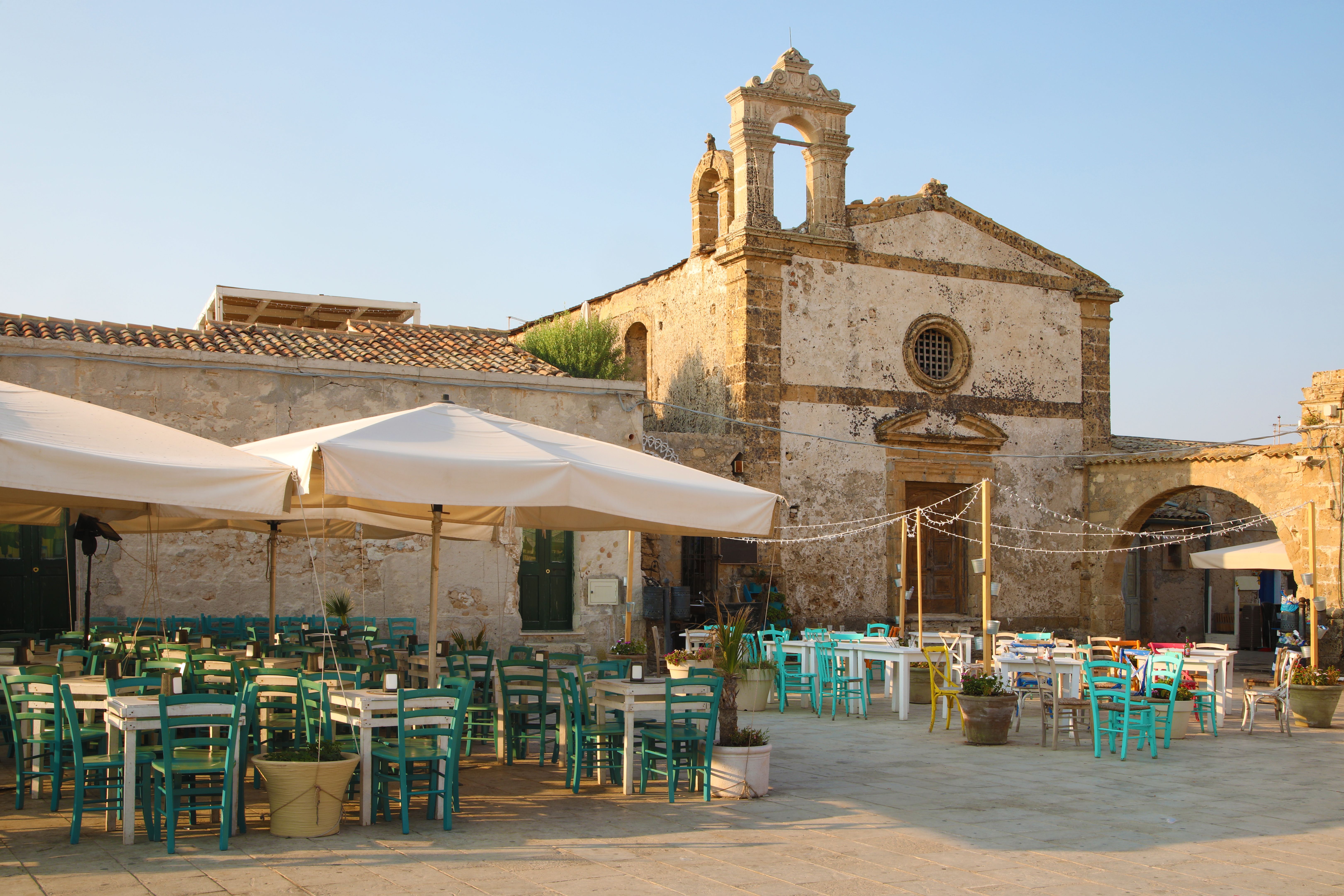
Marzamemi is beautiful but can feel touristy and overpriced.
Just nearby, Vendicari Nature Reserve is the real highlight, with wild beaches, walking trails, and flamingos during migration season.
📌 Practical Tips
- Marzamemi is worth a short stop only
- Bring water and sun protection in Vendicari
- Be ready for walking to reach the best beaches
👉 For a complete breakdown of the best beaches and walking routes, check out my full guide to Vendicari Nature Reserve & Marzamemi🔗
Plemmirio Marine Protected Area
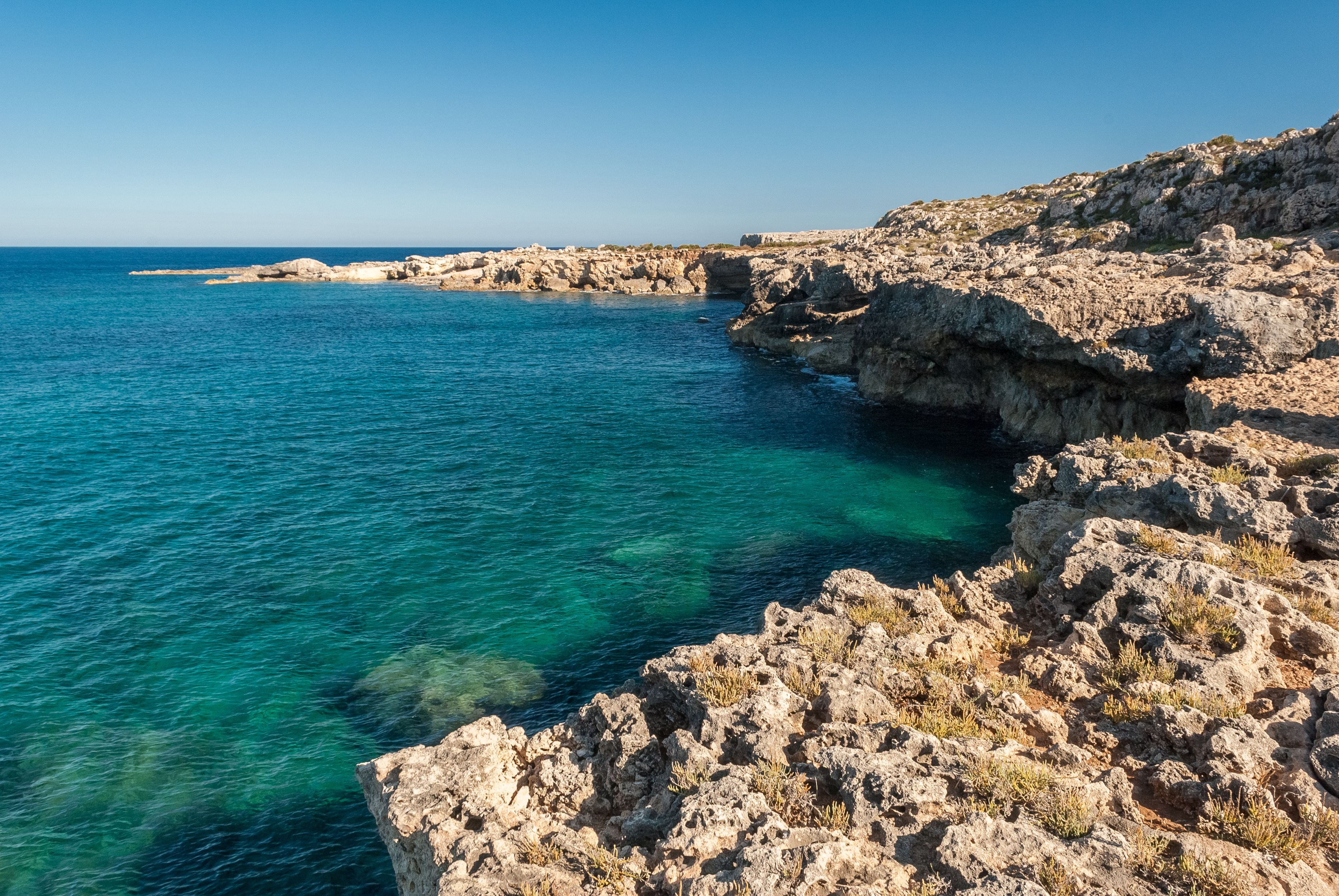
Plemmirio is one of the most underrated coastal areas near Syracuse.
Instead of sandy beaches, you’ll find rocky cliffs, hidden coves, and incredibly clear water perfect for snorkeling. It’s raw, quiet, and far less crowded than other coastal spots.
📌 Practical Tips
- Bring water shoes for rocky access points
- No facilities available — come prepared
- Perfect for snorkeling and escaping crowds
👉 If you’re looking for hidden spots and exact access points, I’ve created a full Plemmirio guide🔗 with all the best snorkeling areas
Eastern Sicily
Catania
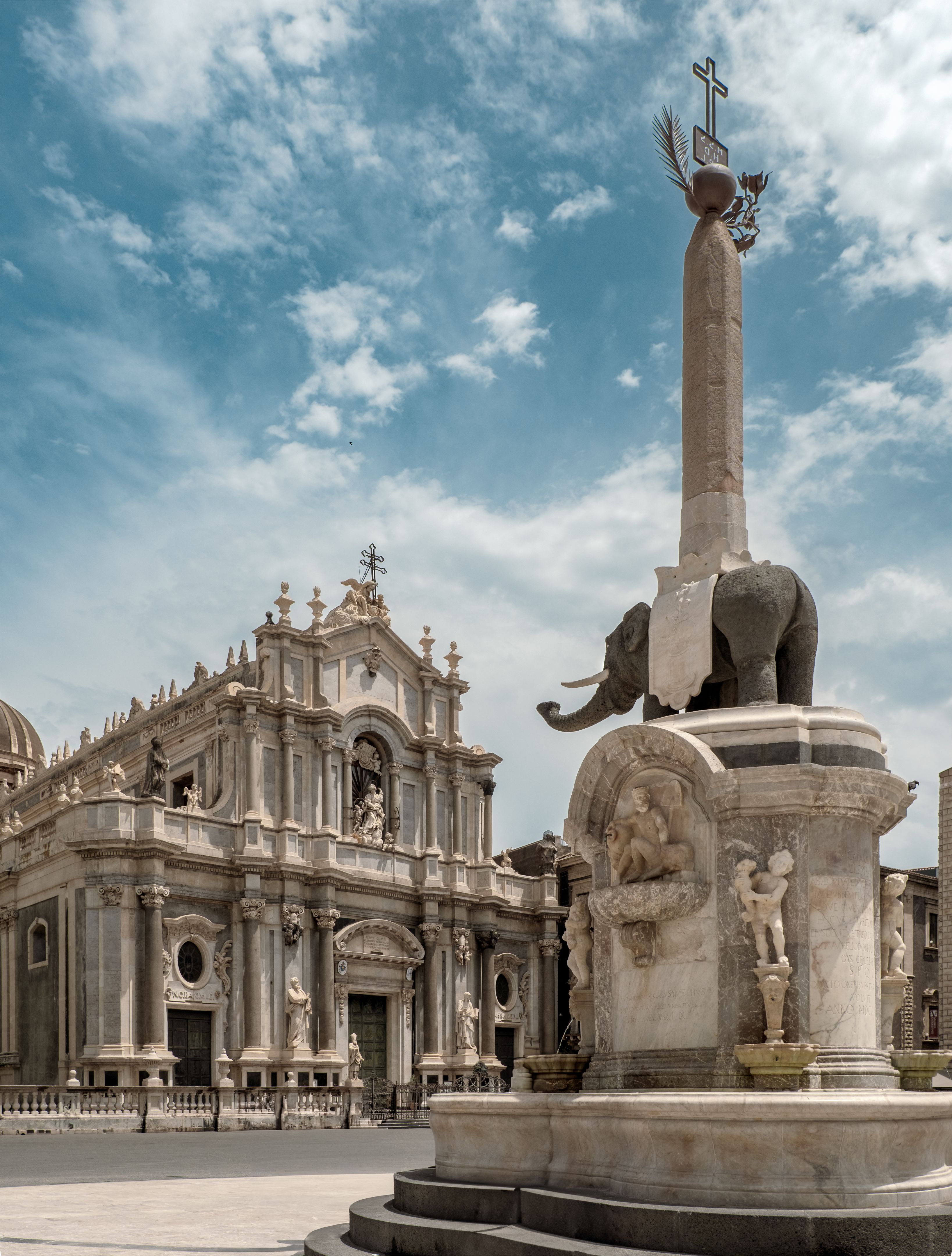
Catania is intense, chaotic, and completely different from the postcard towns of Sicily.
Built from dark volcanic stone at the foot of Mount Etna, it feels raw and real. Markets are loud, food is incredible, and daily life is full of energy and contrast.
📌 Practical Tips
- Stay in safer central areas like Borgo
- Avoid parking on the street overnight
- Perfect base for Mount Etna
👉 Curious to explore beyond the surface? Check out my full Catania guide🔗, including where to stay, what to eat, and local tips
Mount Etna
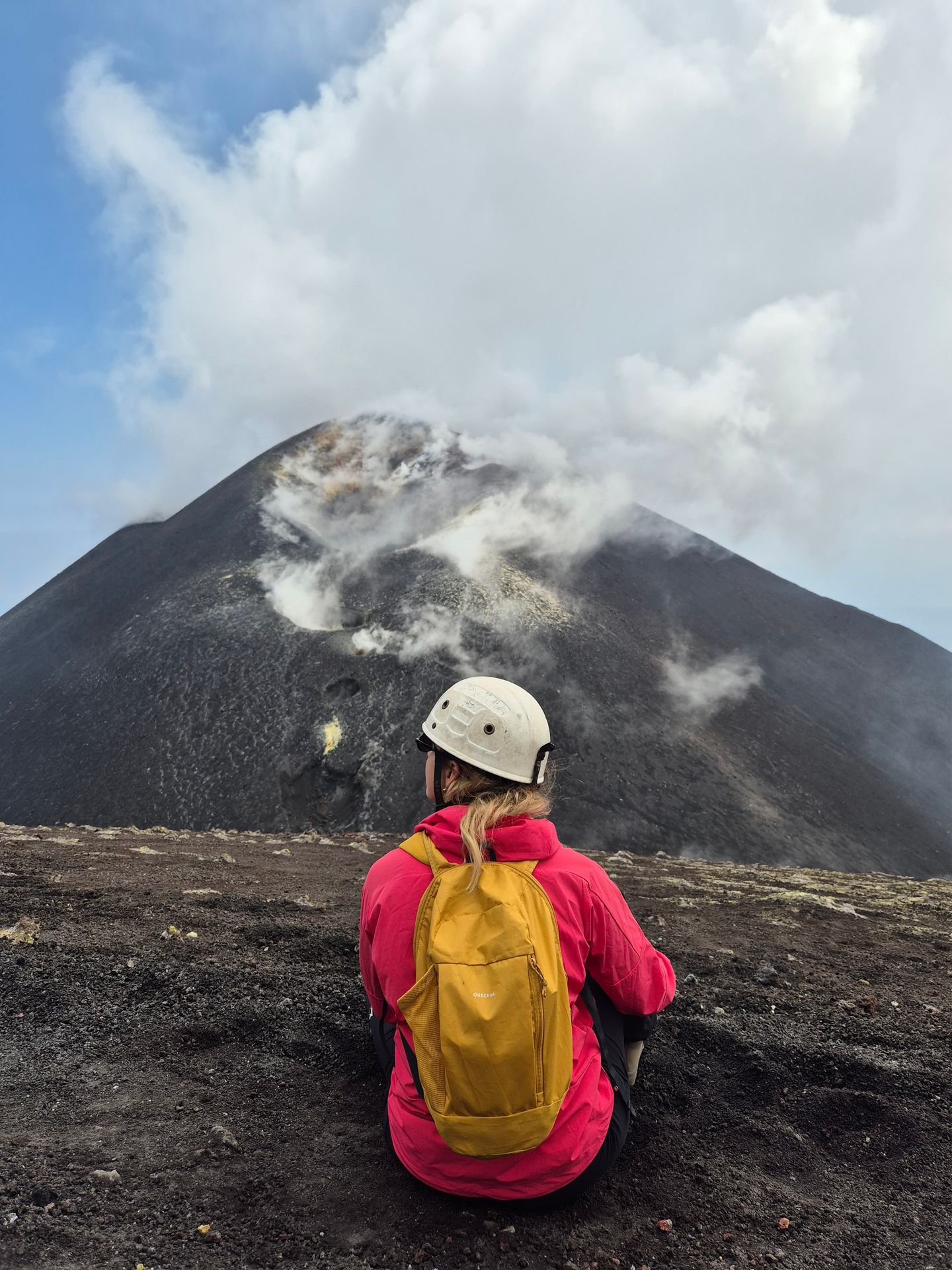
Mount Etna is one of the most unforgettable experiences in Sicily.
Europe’s highest active volcano offers everything from easy scenic tours to challenging summit hikes. Lava fields, craters, and surreal landscapes make it feel like another planet.
📌 Practical Tips
- Summit hikes require a licensed guide
- Weather changes quickly — dress in layers
- Book tours in advance during peak season
👉 To choose the right experience for you, read my complete Mount Etna guide🔗 with all the tour options, hiking tips, and what to expect
Taormina & Isola Bella
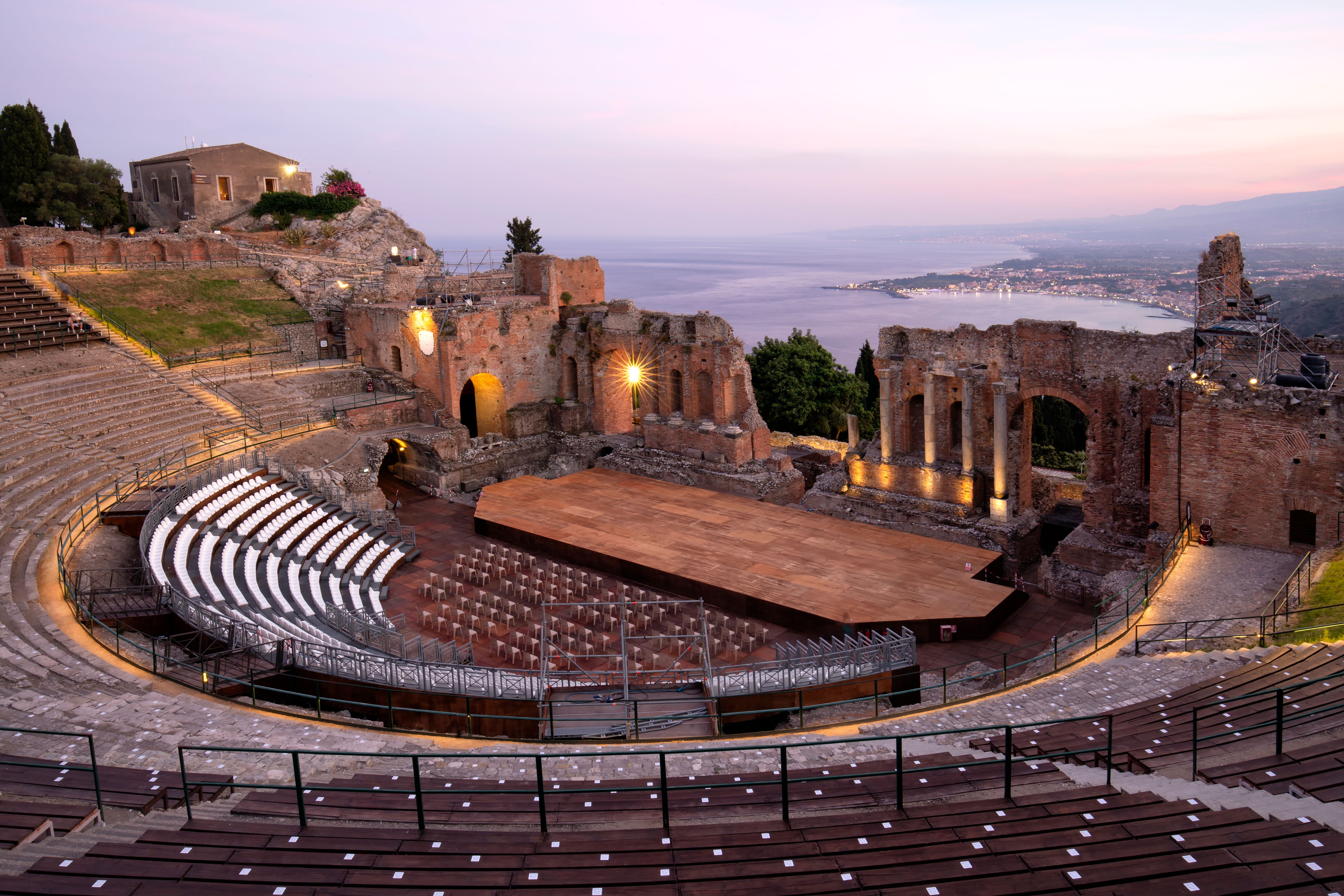
Taormina is one of the most scenic towns in Sicily, perched above the sea with incredible views of Mount Etna and the Ionian coastline.
Its Greek Theatre, elegant streets, and panoramic terraces make it unforgettable, but also one of the most touristy and expensive places on the island.
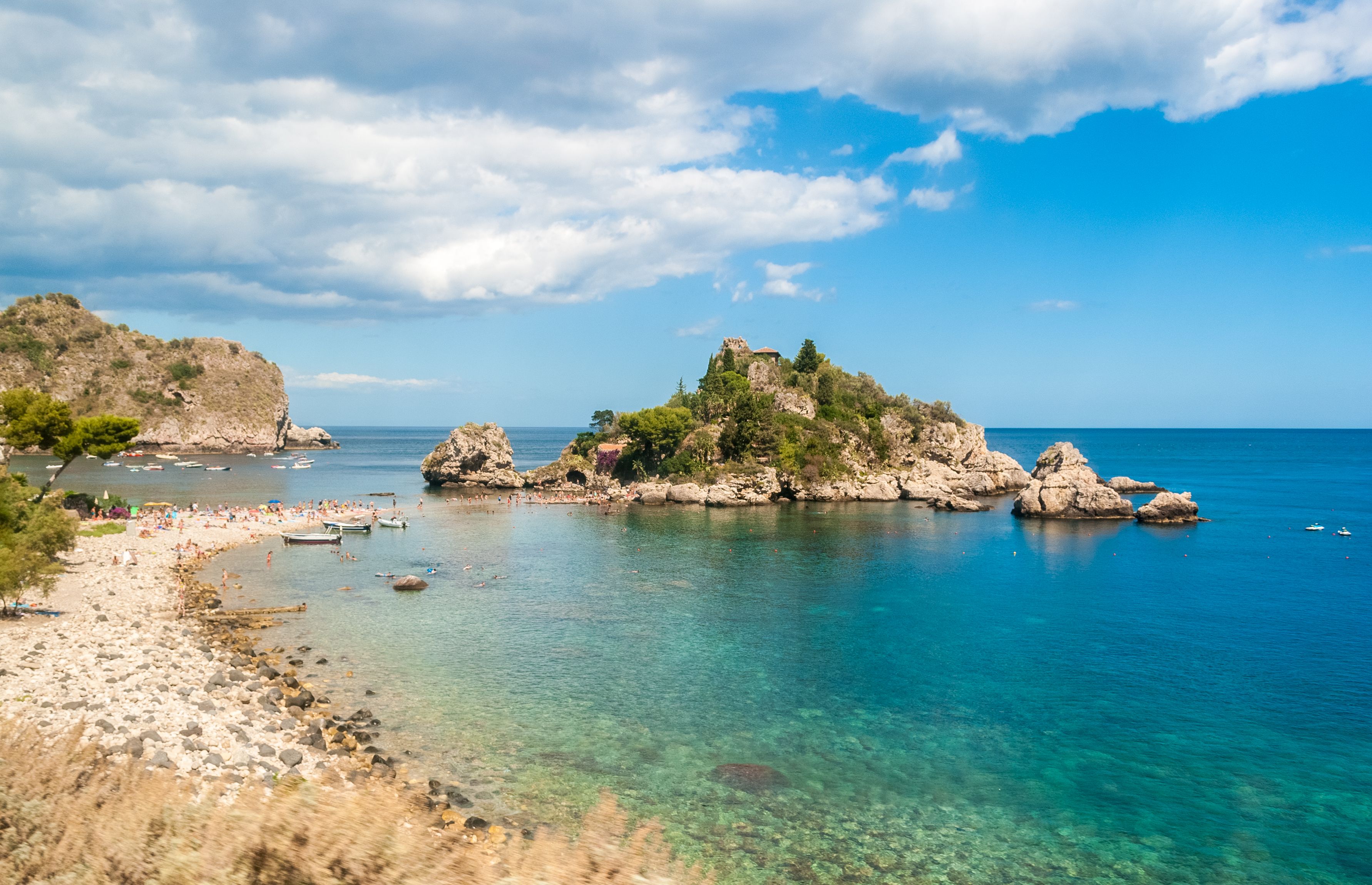
Below, Isola Bella offers crystal-clear water and great snorkeling, making it worth the visit despite the crowds.
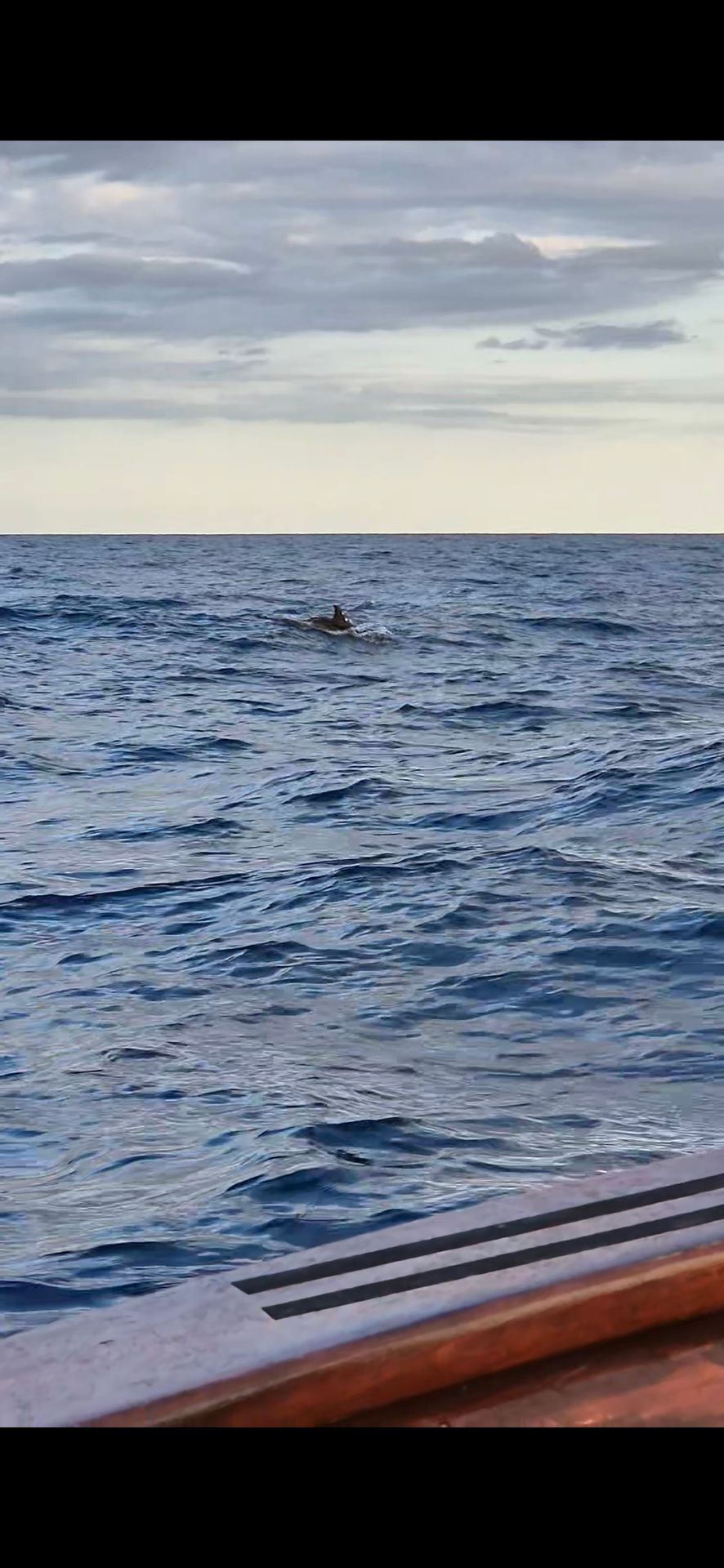
One of the most magical experiences you can have in this area is a dolphin watching boat tour. Just off the coast of Taormina and nearby Giardini Naxos, dolphins are often spotted swimming freely in the Ionian Sea. Seeing them jump alongside the boat with Mount Etna in the background is one of those moments that makes the trip unforgettable. Many tours also include snorkeling stops and sunset views along the coast, making it a perfect half-day experience.
👉 Book ahead your tour Giardini Naxos: Dolphin Searching Sunset Boat Tour🔗
📌 Practical Tips
- Visit early morning or late afternoon to avoid crowds
- Use the cable car instead of driving up to Taormina
- Avoid touristy restaurants in the center
- Dolphin tours are best at sunset for higher chances of sightings and better light
👉 Want to avoid tourist traps and find the best viewpoints? Read my full Taormina guide🔗 with practical tips and hidden gems
North-West Sicily
Palermo
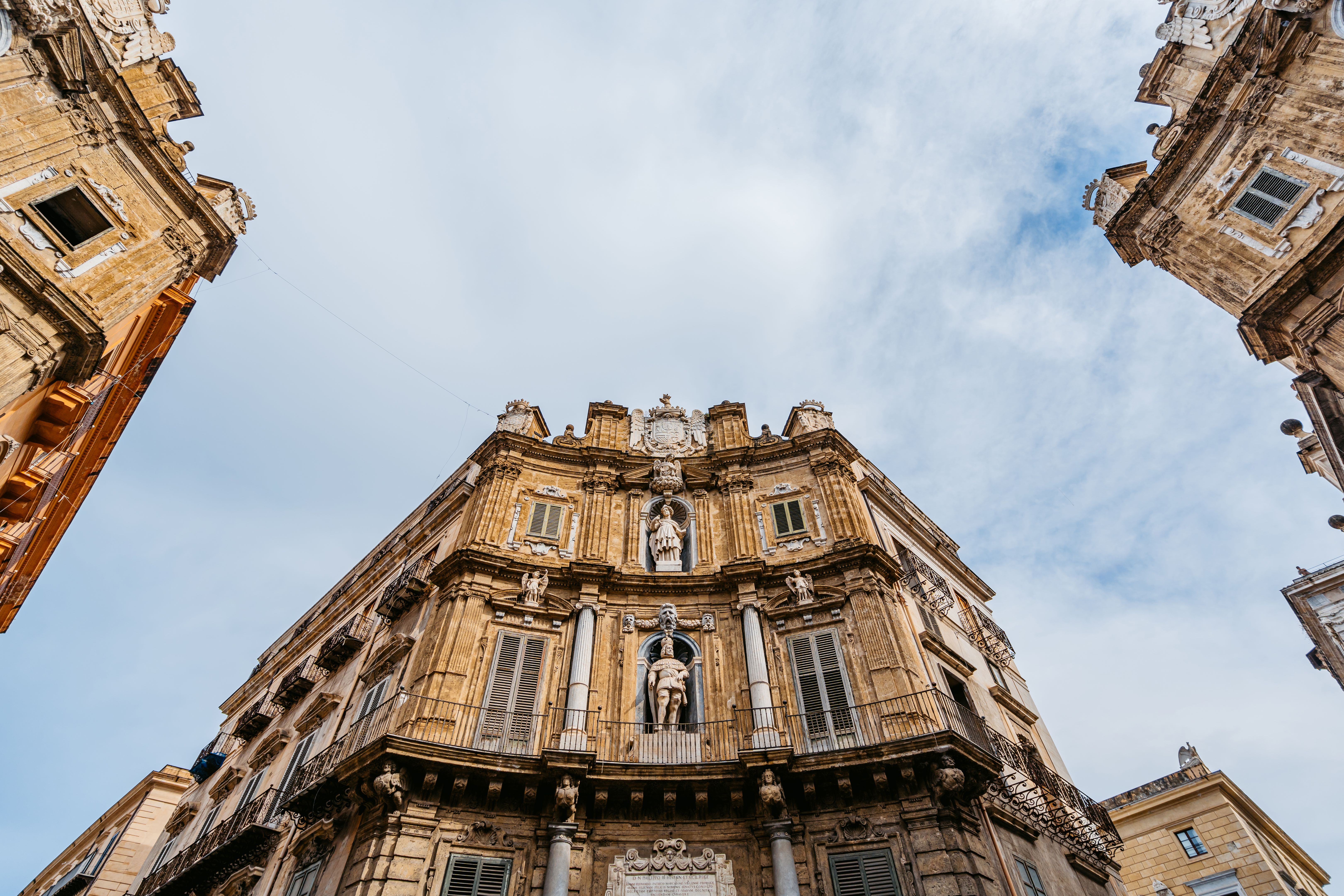
Palermo is chaotic, vibrant, and full of contrasts — a city where cultures have blended for centuries.
From historic landmarks to chaotic street markets, everything feels alive. But the real highlight is the food: bold, traditional, and unforgettable.
📌 Practical Tips
- Be careful with pickpockets in crowded areas
- Stay in central neighborhoods
- Explore the street food scene
👉 If you want to dive deeper into Palermo’s food scene and neighborhoods, check out my complete Palermo guide🔗
San Vito Lo Capo & Surroundings
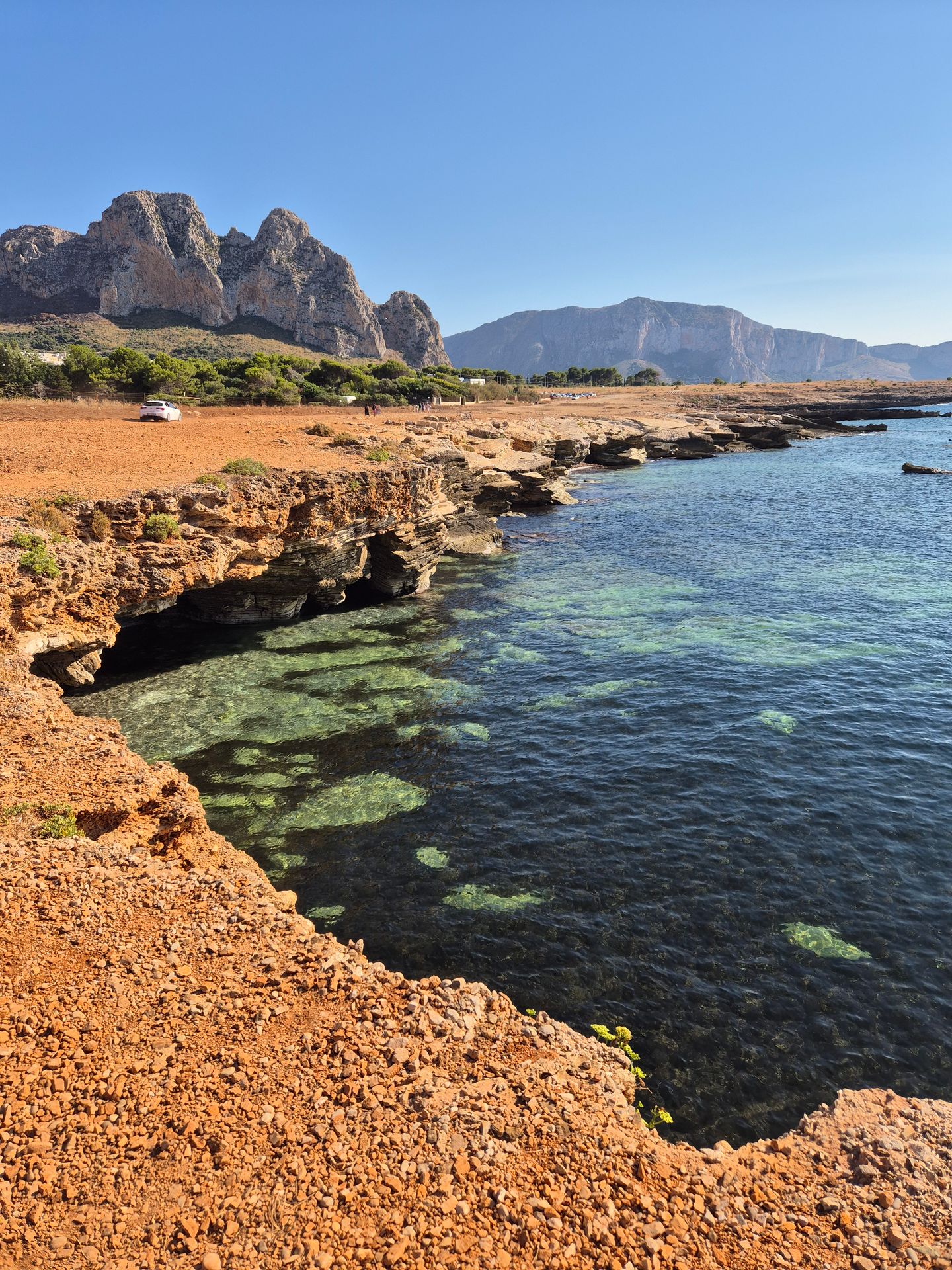
San Vito Lo Capo is famous for its white sand beach and turquoise water, but its real strength is its location.
It’s the perfect base to explore wild areas like Zingaro and Monte Cofano, where Sicily becomes untouched and dramatic. No roads, no infrastructure — just hiking trails, cliffs, and hidden beaches with crystal-clear water.
📌 Practical Tips
- Bring food and plenty of water
- Start early to avoid heat
- Boat tours are a great alternative
👉 For detailed hiking routes and the best calette, read my full guide to Zingaro and Monte Cofano🔗
Trapani & Erice
Trapani is a relaxed coastal city on Sicily’s western edge, known for its long seafront, historic old town, and the famous salt pans that create some of the most beautiful sunsets on the island.
The historic center is compact and pleasant to explore on foot, with elegant streets, churches, and a slow Mediterranean rhythm. But the real highlight of this area lies just outside the city: the Trapani Salt Pans, where windmills and shallow pinkish waters create a surreal landscape, especially at sunset when the whole area turns golden and red.

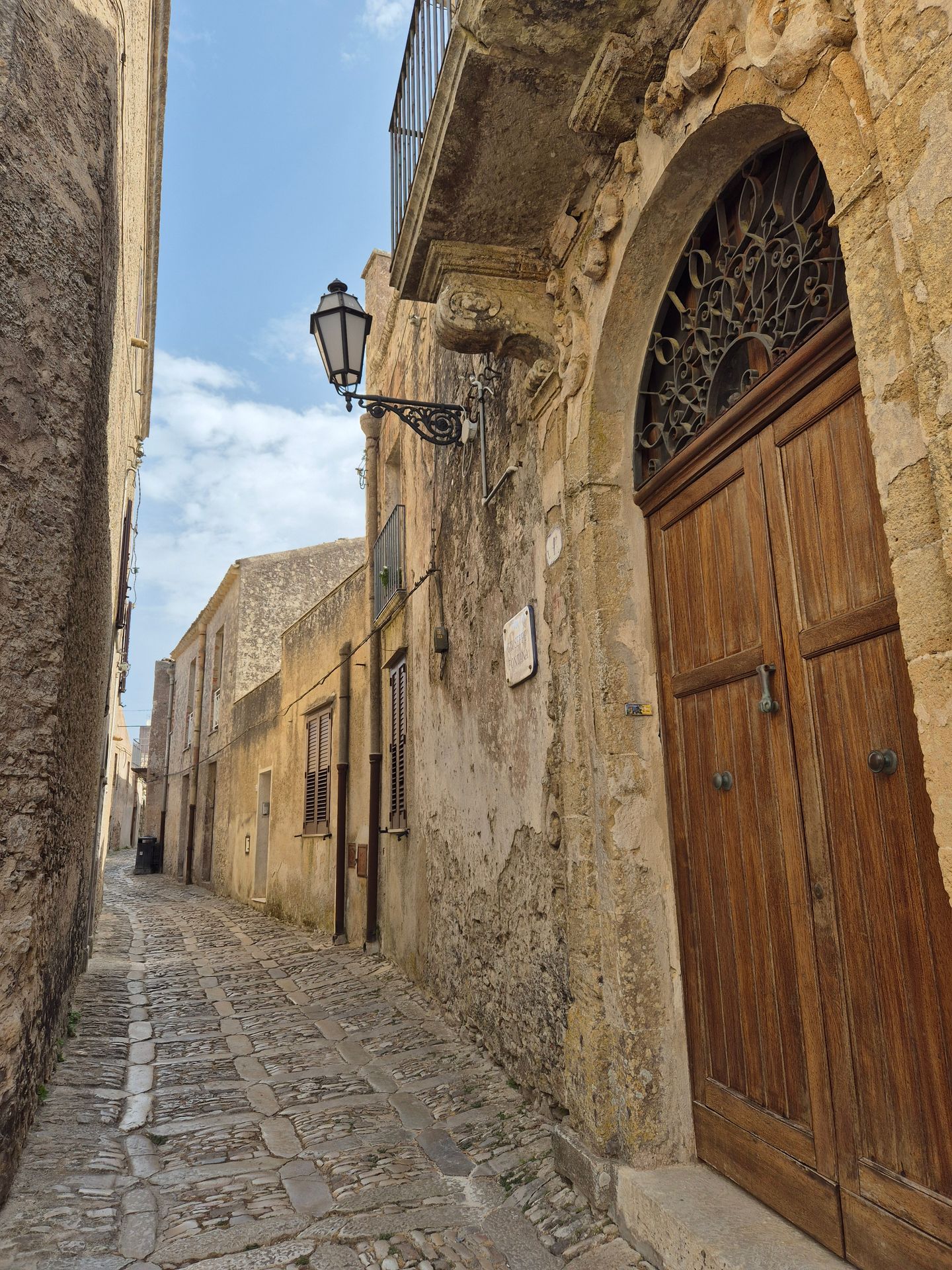
Just above Trapani rises Erice, a medieval hilltop town completely different in atmosphere. Reaching it feels like entering another world — either by cable car or a winding mountain road. At 750 m (2,460 ft) above sea level, Erice is often wrapped in mist and clouds, giving it a mystical, almost timeless feeling.
Inside its stone walls, you’ll find cobbled streets, quiet courtyards, and panoramic viewpoints over the coast. The highlight is the Castello di Venere, a Norman fortress built on ancient ruins, offering sweeping views over Trapani, the salt pans, and even the Egadi Islands on clear days.
📌 Practical Tips
- Combine both in the same day (Trapani in the morning, Erice in the afternoon or sunset)
- The cable car is the most scenic way to reach Erice
- Visit the salt pans at sunset for the best light
- Bring a jacket for Erice — temperatures are much cooler than the coast
- Stay in Trapani if you want easy access to ferries for Favignana
👉 To plan your trip between Trapani and Erice, check out my complete guide🔗.
Favignana
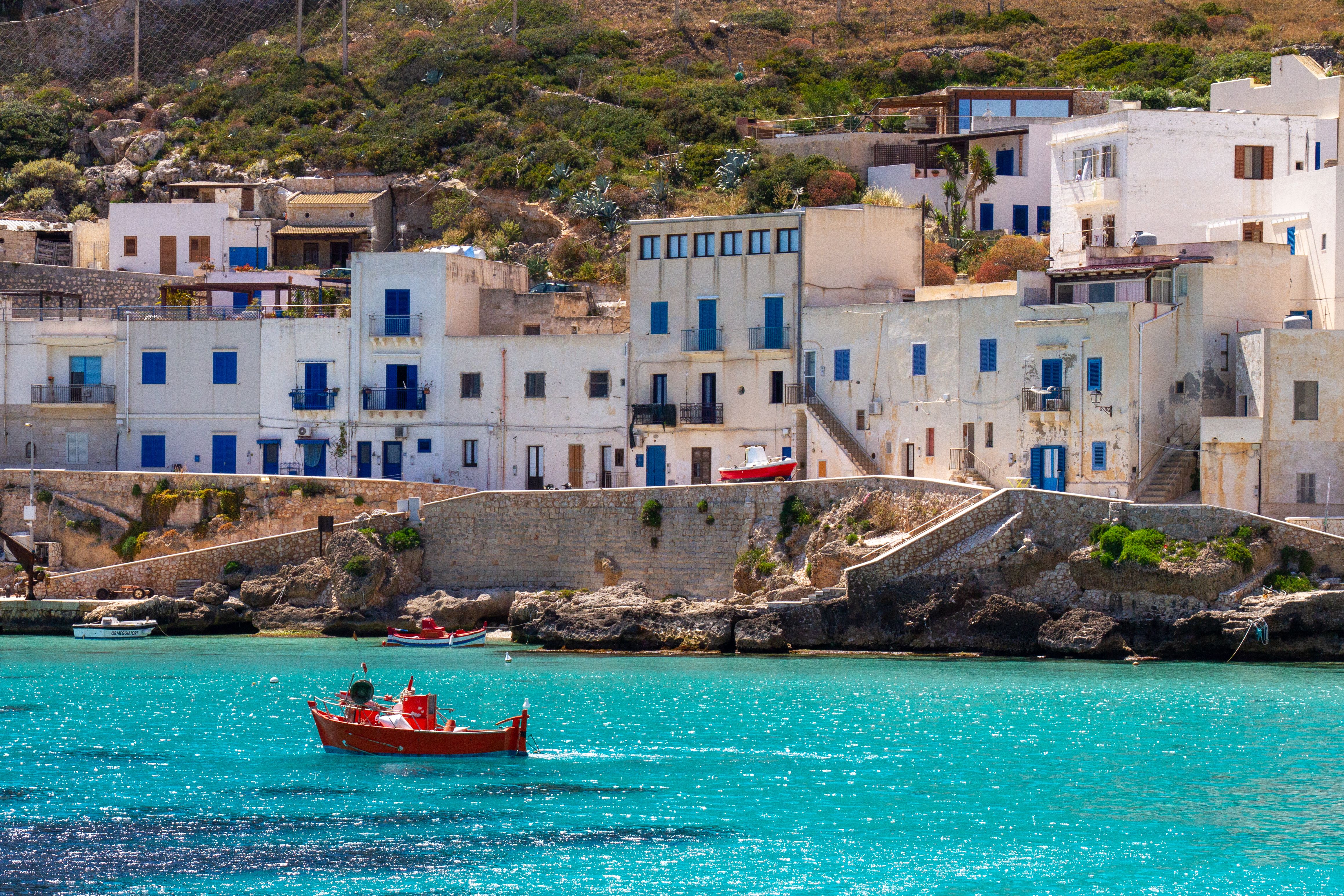
Just off the coast of Trapani, Favignana is the largest of the Egadi Islands and one of the most beautiful sea escapes in Sicily. Known for its crystal-clear water and rocky coastline, it feels relaxed, simple, and completely focused on the sea.
The island is not about traditional beaches, but about discovering hidden coves like Cala Rossa and Cala Azzurra, where the water is incredibly transparent and perfect for swimming or snorkeling. Most of the coastline is wild and undeveloped, which is exactly what makes it so special.
Getting around is part of the experience — most people explore the island by bike or e-bike, moving slowly between swimming spots, small villages, and seaside stops.
Favignana is also great from the water, with boat tours revealing hidden bays and nearby Levanzo, often considered even more untouched.
📌 Practical Tips
- Best explored by bike or boat
- Book ferries early in high season
- Bring snorkeling gear
👉 To plan your trip between Trapani and the Egadi Islands, check out my complete guide🔗 with ferry tips and boat tours
Cefalù
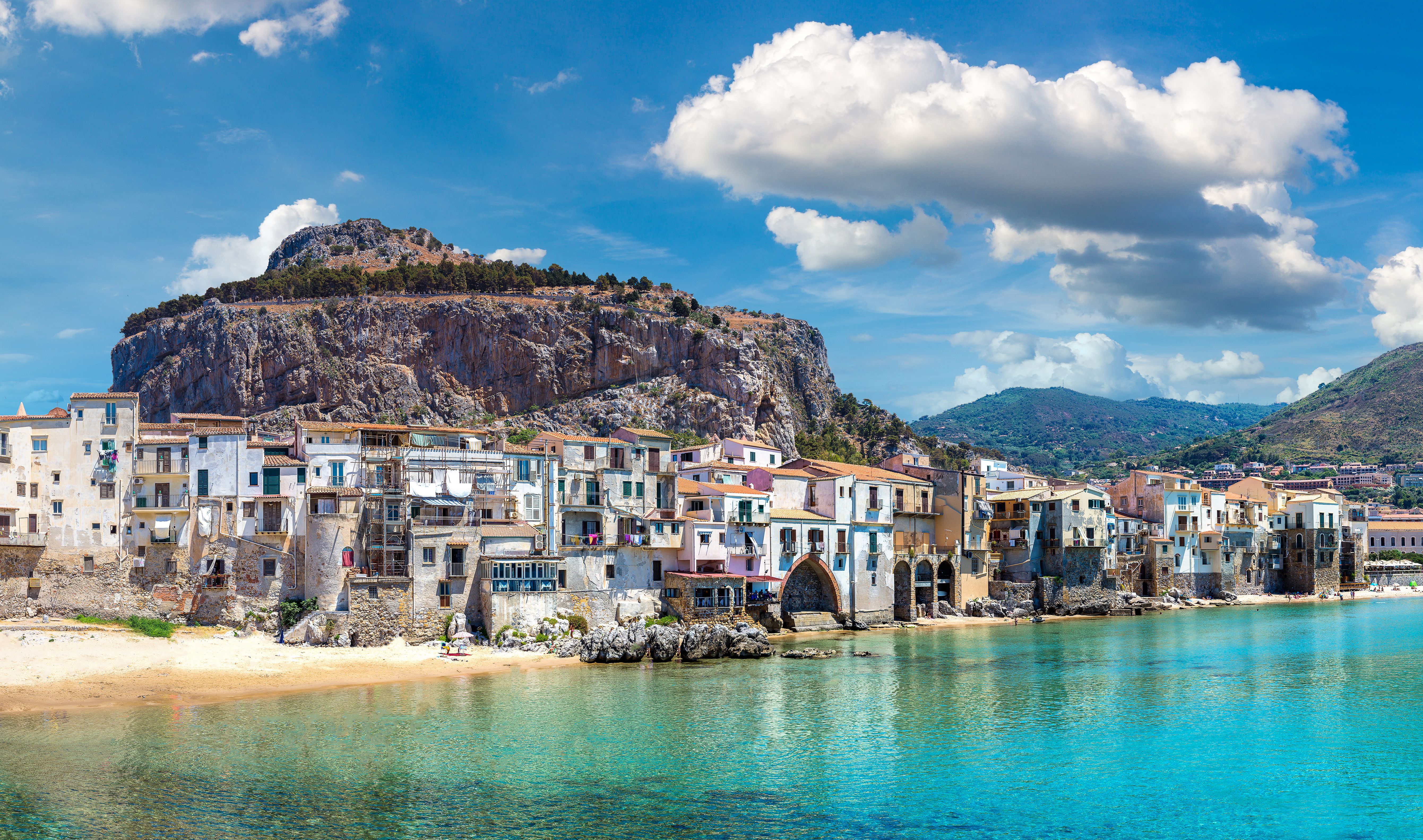
Cefalù is one of the most beautiful coastal towns in Sicily, combining a historic center with a relaxed beach atmosphere.
📌 Practical Tips
- Visit early morning or sunset
- Great stop between destinations
Hidden Gems (Castelnuovo & Gole di Tiberio)
If you want to go beyond the classic itinerary, these spots offer a more authentic side of Sicily.
Quiet villages, natural landscapes, and hidden adventures like canyon explorations.
📌 Practical Tips
- Ideal for off-the-beaten-path travelers
- Combine with the Madonie region
👉 If you love off-the-beaten-path destinations, don’t miss my guide to Sicily’s hidden gems & Cefalù🔗 and lesser-known experiences
Two weeks in Sicily give you an incredible mix of landscapes, cultures, and experiences.
From ancient ruins to volcanic mountains, from chaotic cities to hidden beaches, Sicily is not just a destination — it’s a journey through contrasts.
Take your time, don’t rush, and leave space for unexpected moments. That’s where Sicily truly becomes unforgettable.
Related Articles
| Best Food in Sicily Italy |
| A Local's 1 Week Northen Sicily Itinerary |
| Vendicari Nature Reserve Sicily |
| Things to do in Modica Sicily |