A Local's Guide: Val di Noto (Noto, Modica, Ragusa & Caltagirone)


Val di Noto Sicily
Golden stone towns, late-Baroque masterpieces, and sun-drenched landscapes define the magic of the Val di Noto, one of the most enchanting regions in southern Sicily. Rebuilt after the devastating 1693 Sicily earthquake, this area is now a UNESCO-listed treasure, where entire cities were redesigned in a harmonious and theatrical architectural style.
From the elegant streets of Noto to the dramatic hills of Ragusa, the charm of Modica and the artisan traditions of Caltagirone, the Val di Noto offers a journey through history, culture, and authentic Sicilian life. It’s a place where every corner feels like an open-air museum—yet still deeply lived-in, vibrant, and full of character.
Heads up: this page may include affiliate links. By clicking and/or purchasing, I may receive a small commission at no extra cost for you. I only recommend tools I have personally vetted.
Practical Information
Location
The Val di Noto is located in the southeastern part of Sicily, stretching across a landscape of rolling hills, olive groves, and historic towns not far from the Ionian coast. This region includes some of the island’s most beautiful baroque cities, such as Noto, Ragusa, Modica, and Caltagirone, all within relatively short driving distance of one another. Its position makes it easy to explore both inland cultural highlights and nearby coastal areas.
Transportation & Exploration
✈️ By Plane: The Val di Noto in southeastern Sicily is best reached via Catania (Fontanarossa Airport), the closest and most convenient gateway. It offers frequent connections to major European cities and Italian hubs such as Rome and Milan.
👉 You can book your plane ticket here🔗
🚗 By Car: To fully explore the Val di Noto, renting a car is highly recommended. Towns like Noto, Ragusa, Modica, and Caltagirone are relatively close to each other. Having a car gives you the flexibility to move at your own pace, explore scenic countryside routes, and reach smaller viewpoints and villages that are otherwise difficult to access.
⚠️ Parking is usually available outside historic centres, which are best explored on foot
👉 You can book your car on Booking🔗
🚆 By Train & Bus: Train and bus connections exist between major towns such as Catania, Syracuse, and parts of the Val di Noto region, but services are often slow and not always frequent. While it is possible to visit some destinations without a car, journeys typically require planning and multiple connections, making travel less efficient overall.
🚶♂️ On Foot: Once you arrive in each town of the Val di Noto, walking is the best way to explore. Historic centres such as Noto, Modica, Ragusa, and Caltagirone are compact, atmospheric, and full of baroque details, hidden alleys, and viewpoints. Expect some hills and stone streets, but wandering on foot is the best way to truly experience the character of these towns.
Weather
The Val di Noto has a classic Mediterranean climate, perfect for year-round travel:
☀️ Summer (June–September): Very hot and dry, especially inland. Temperatures often exceed 30°C, with intense sunshine and little rain.
🌸 Spring (March–May): One of the best times to visit. Mild temperatures, blooming countryside, and ideal conditions for sightseeing without the crowds.
🍂 Autumn (October–November): Still warm in early autumn, with pleasant weather and fewer tourists. Great for sightseeing and food experiences.
❄️ Winter (December–February): Mild but more unpredictable, with occasional rain. Still a good option for a quiet, atmospheric visit.
💡 My favourite time? Late September — the heat softens, the light turns golden, and the towns feel like they belong to the locals again.
Accommodation
Each town in the Val di Noto has its own distinct character:
- Noto is the elegant heart of Sicilian Baroque, with grand streets and golden-hued architecture
- Modica is more intimate and authentic, famous for its layered layout and rich culinary traditions—especially chocolate
- Ragusa, particularly its Ibla district, feels romantic and scenic, with dramatic views and a slower pace
- Caltagirone is known for its ceramic heritage and offers a more local, off-the-beaten-path feel
The good news is that these towns are relatively close to one another, making it easy to choose one as a base and explore the rest on day trips.
- Noto: Rosa Barocca 🅱️ Booking 🔗
- Modica: Case del Vicolo Stretto 🅱️ Booking 🔗
- Ragusa: ChocoHouse 🅱️ Booking 🔗
- Caltagirone: B&B iMori 🅱️ Booking 🔗 🆃 Trip 🔗
Noto
⏱️ Recommended time: 1 full day
Old Town (Centro Storico)
Noto's heart is a sun-drenched labyrinth of Baroque beauty, where every street and square tells a story. The town's warm golden stone façades glow in the sunlight, and around every corner you'll find surprises — ornate balconies, artisan shops, and quiet spots perfect for savouring Sicilian life at your own pace.

Don't miss:
- Corso Vittorio Emanuele🔗 — the main street, lined with Baroque palaces and the best spot for an evening passeggiata.
- Cattedrale di San Nicolò🔗 — the symbol of Noto, sitting at the top of a grand staircase with sweeping views over the corso.

- Palazzo Nicolaci di Villadorata🔗 — famous for its spectacular balconies decorated with mythological figures, one of the most photographed spots in Sicily.
👉 You can also book a guided Baroque Noto private walking tour 🔗 to get the most out of the architecture and history.
✨ If you’re looking for a genuine souvenir rather than a mass-produced trinket, ART GALLERY Marini & Pannuzzo🔗 is a charming little shop with beautifully handcrafted paintings and mini artworks that capture the spirit of the region.
🍽️ Where to eat: I don't have a personal recommendation for Noto yet — but ask a local, they'll never disappoint.
Modica
⏱️ Recommended time: 1 full day
Old Town (Centro Storico)
Nestled in the Val di Noto, Modica is a Baroque treasure with winding streets, stunning churches, and a sweet reputation — literally. Famous for its rich, grainy chocolate made using an ancient Aztec-inspired method, the town is a delight for food lovers and history buffs alike.
Don't miss:
- Duomo di San Giorgio🔗 — one of the finest examples of Sicilian Baroque, dramatically perched at the top of a long staircase with a façade that takes your breath away.

- Corso Umberto I🔗 — the lively main street running through the lower town, lined with chocolate shops, cafés, and local life.
- The upper town (Modica Alta) — climb up for panoramic views over the two valleys and the layered rooftops of the city.
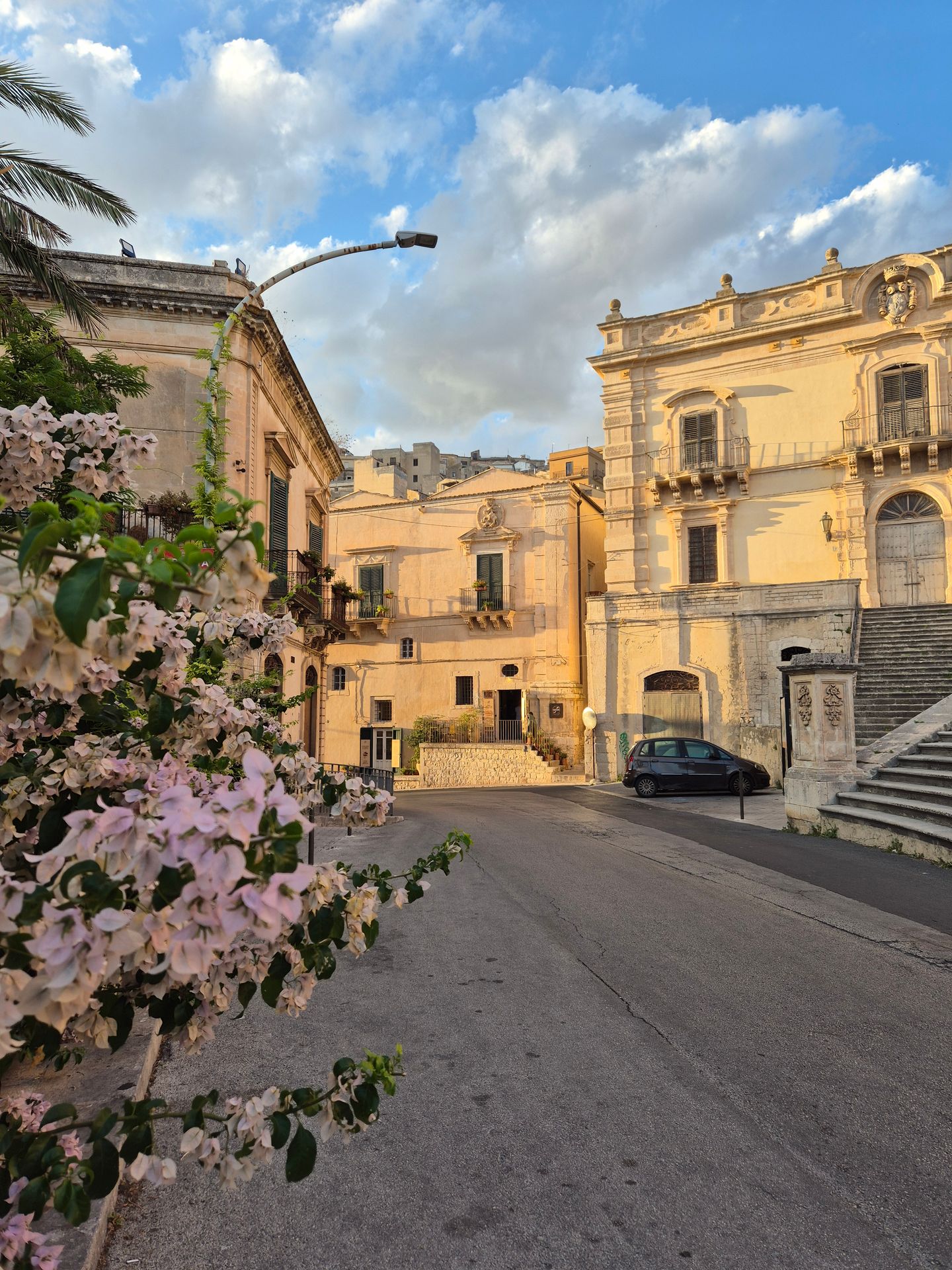
👉 Modica chocolate is truly one-of-a-kind and absolutely delicious! Step into a local chocolate shop, savor its rich flavors, and don’t forget to take some home as a sweet souvenir. While you’re here, make the experience even more memorable: try a ‘Become a Chocolatier for a Day’🔗 workshop or join a guided tasting of Modica’s finest creations🔗
🍽️ Where to eat: Honestly? Modica's restaurant scene in the centro storico tends to be quite touristy. My suggestion: skip the main street for lunch, venture a little outside the centre, and look for places where locals actually eat. The food will be better and the bill lighter. And if you're staying nearby — Ragusa is a thousand times better for food, trust me.
Ragusa
⏱️ Recommended time: 1 full day, stay for sunset
Ragusa is an absolute must-visit and, without a doubt, my favourite among Sicily's enchanting Baroque towns. Unlike Noto and Modica, it feels more under the radar — fewer tourists, a more authentic pace, and views at sunset that are nothing short of magical. The food scene is simply outstanding.
Don't miss:
- Ragusa Ibla — the ancient lower town, a labyrinth of golden alleyways, flower-draped balconies, and quiet piazzas. This is where you want to get lost.
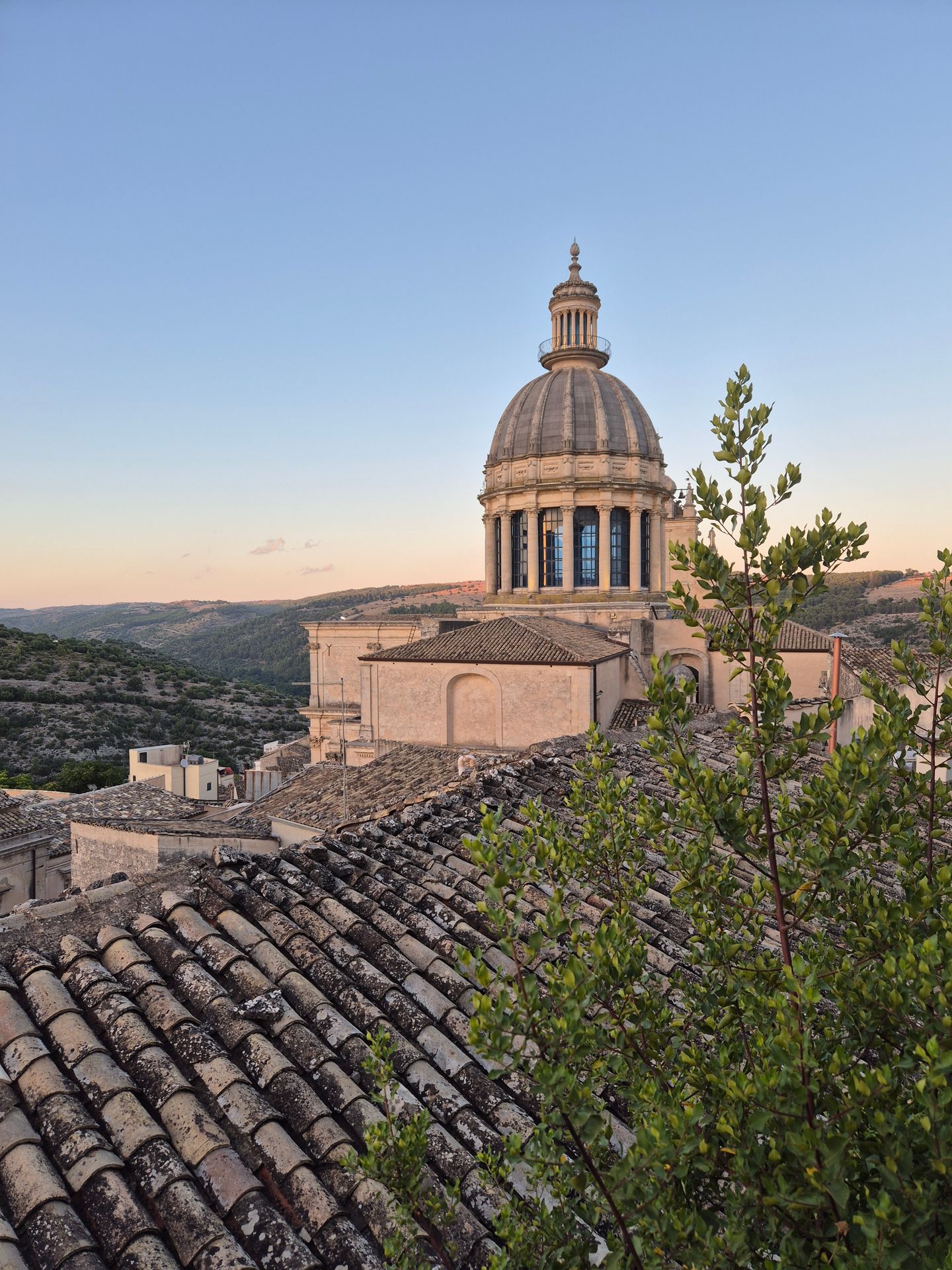
- The public garden (Giardino Ibleo)🔗 — a peaceful spot at the edge of Ibla with stunning views over the valley and a touch of old-world charm. Perfect for a slow afternoon.
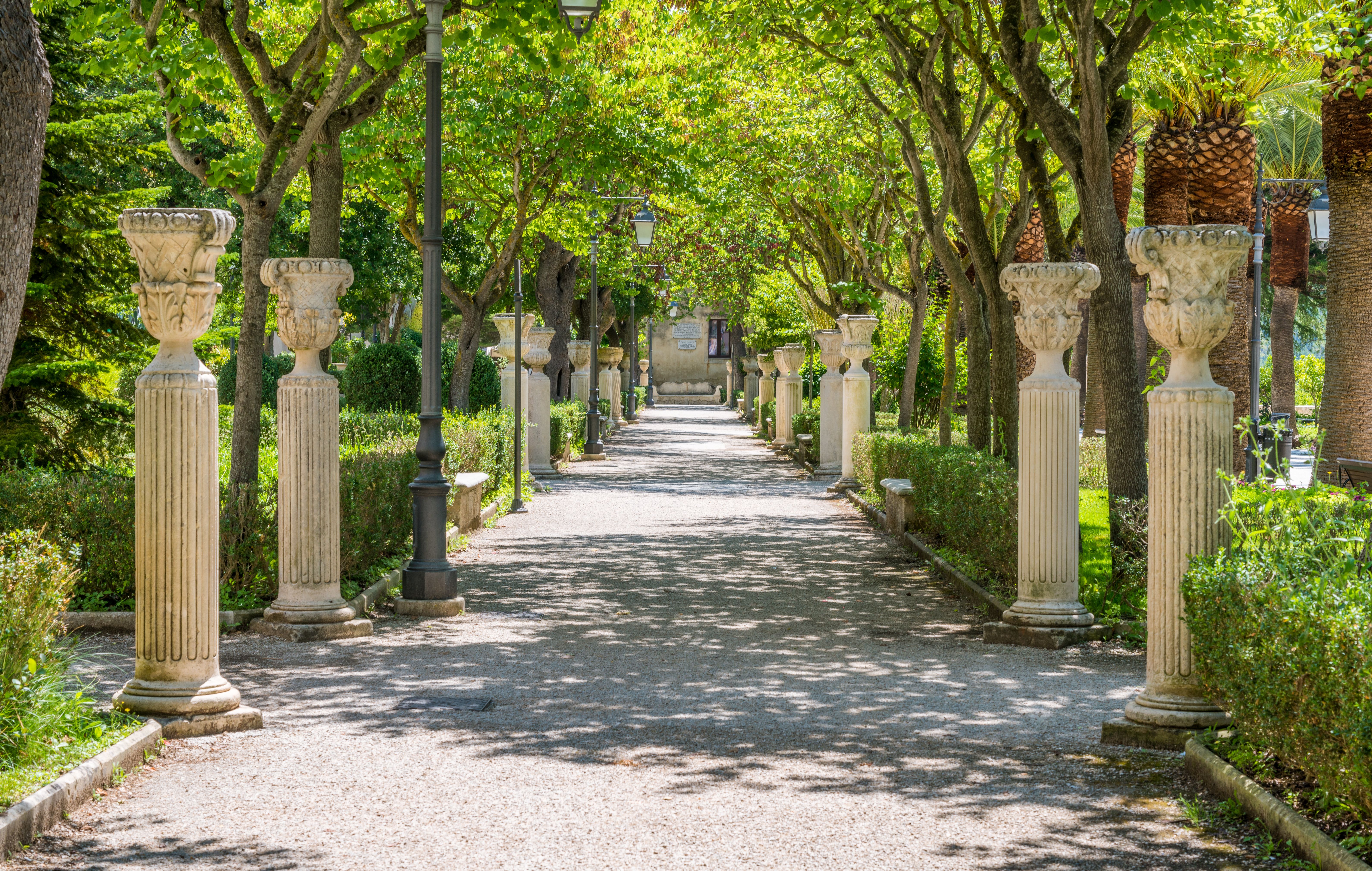
- Duomo di San Giorgio🔗 — the crown jewel of Ragusa Ibla, a masterpiece of Sicilian Baroque with an imposing façade and a dramatic position at the top of a wide staircase.
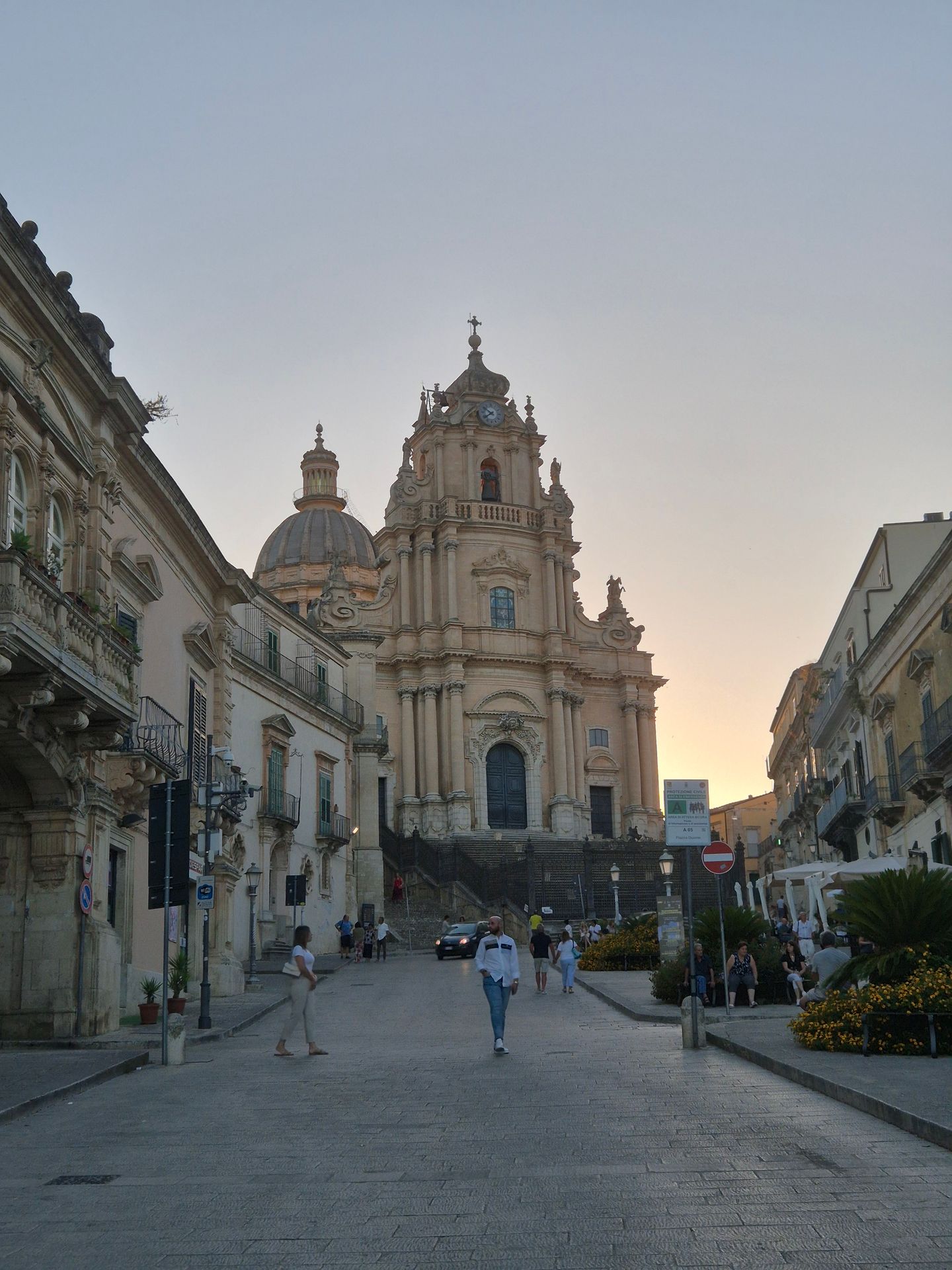
👉 You can even join a cooking class in Ragusa🔗 to learn the secrets of authentic Sicilian cuisine.
🍽️ Where to eat: Food lovers, don't miss these two incredible spots — Cucina & Vino" Osteria e Ristorante🔗 and Cucina Sincera - Chiacchiere e Pancia Piena🔗
Caltagirone
⏱️ Recommended time: half day to 1 full day
Caltagirone, known as the ceramic capital of Sicily, is a Baroque gem and a paradise for lovers of art, history, and craftsmanship.
Here’s what you shouldn’t miss:
- Scalinata di Santa Maria del Monte🔗— the symbol of Caltagirone. Its 142 steps are decorated with hand-painted ceramic tiles, each one unique. Climb to the top for breathtaking views over the city — especially magical at sunset.
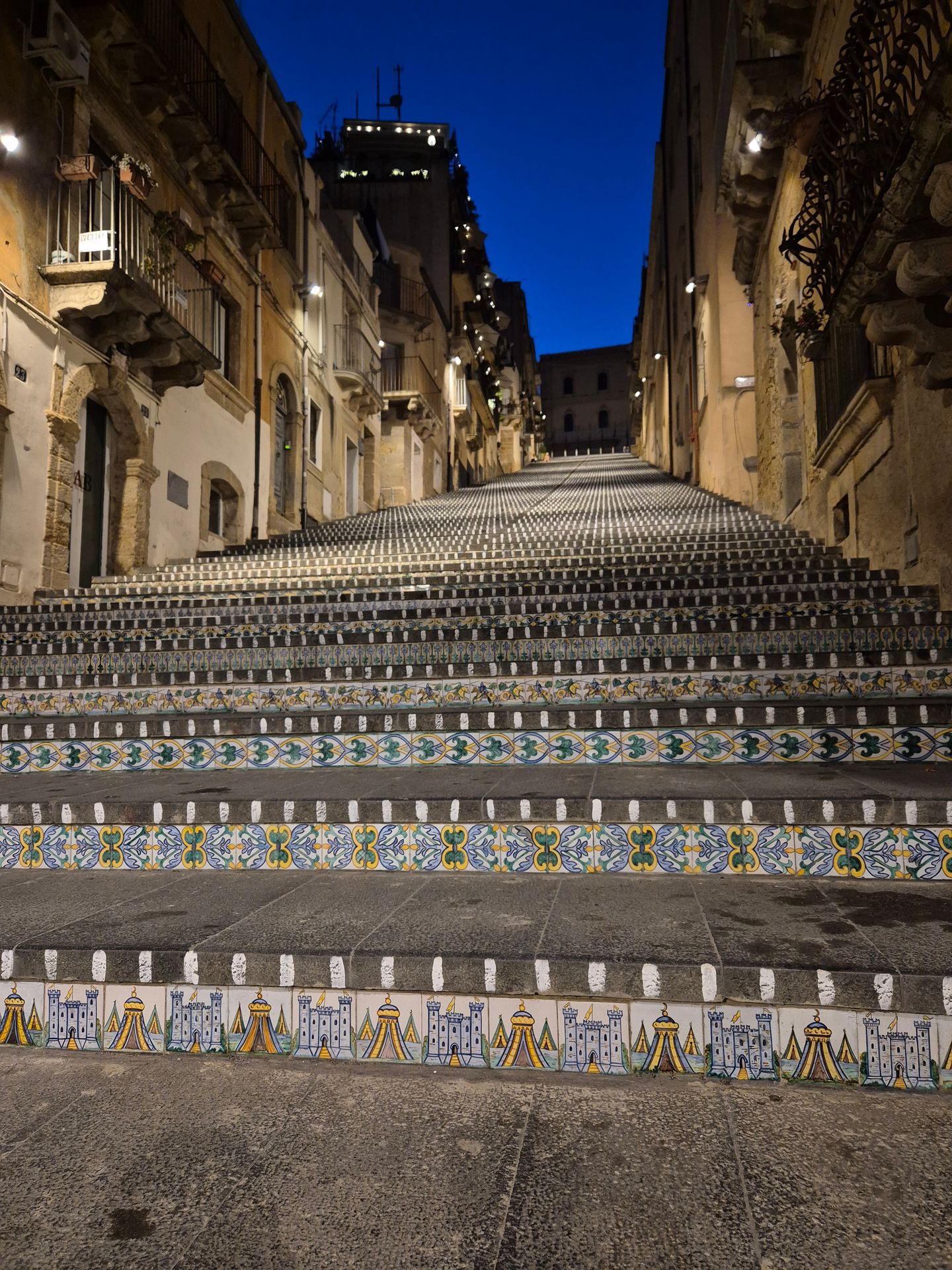
- Cathedral of San Giuliano🔗 and Santa Maria del Monte Church🔗 — two stunning examples of Sicilian Baroque, both worth a visit.
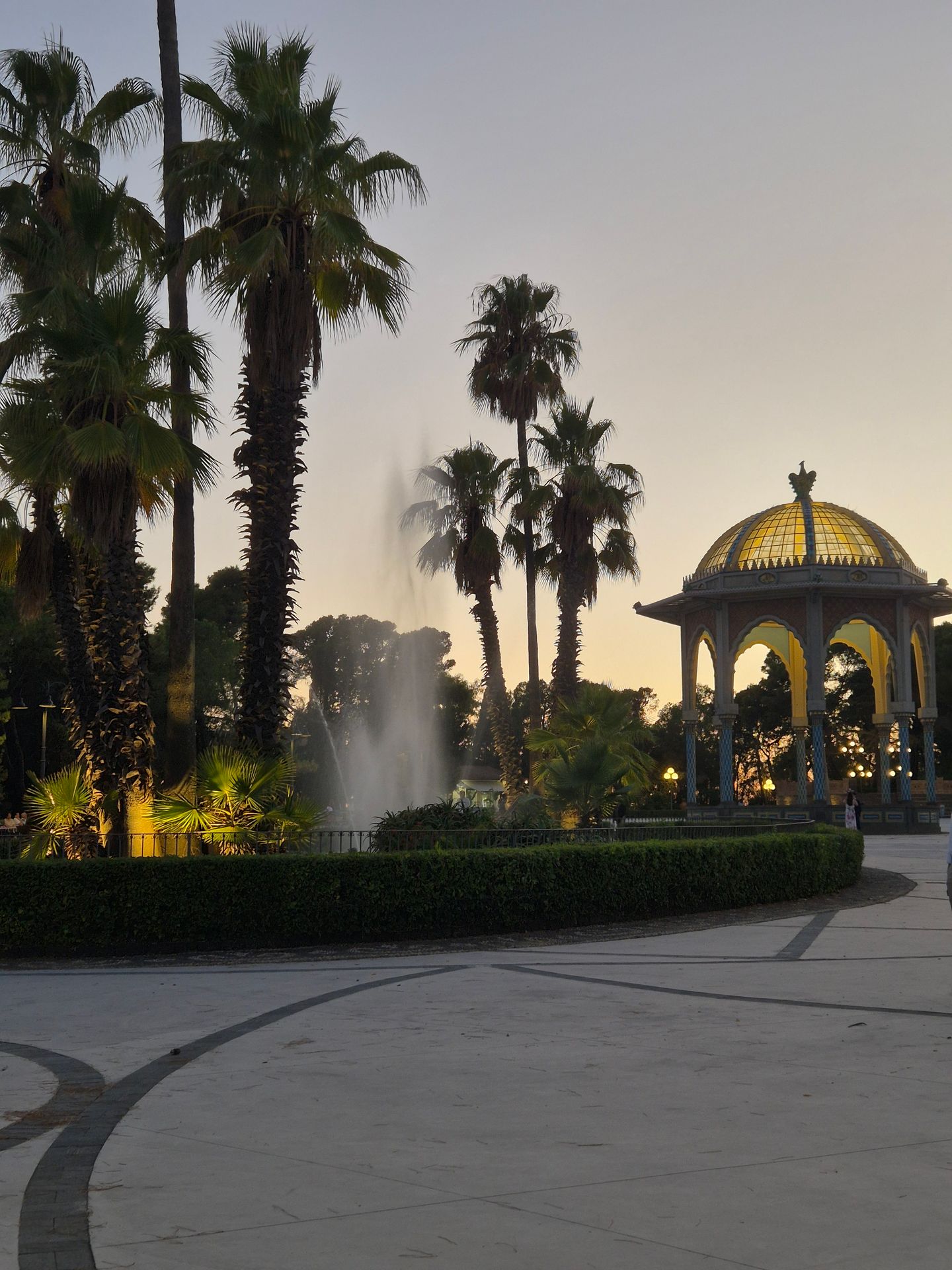
- Villa Comunale (Public Garden)🔗— a peaceful 19th-century park with elegant ceramic benches, fountains, and plenty of shade. Perfect for a relaxing break between sights.
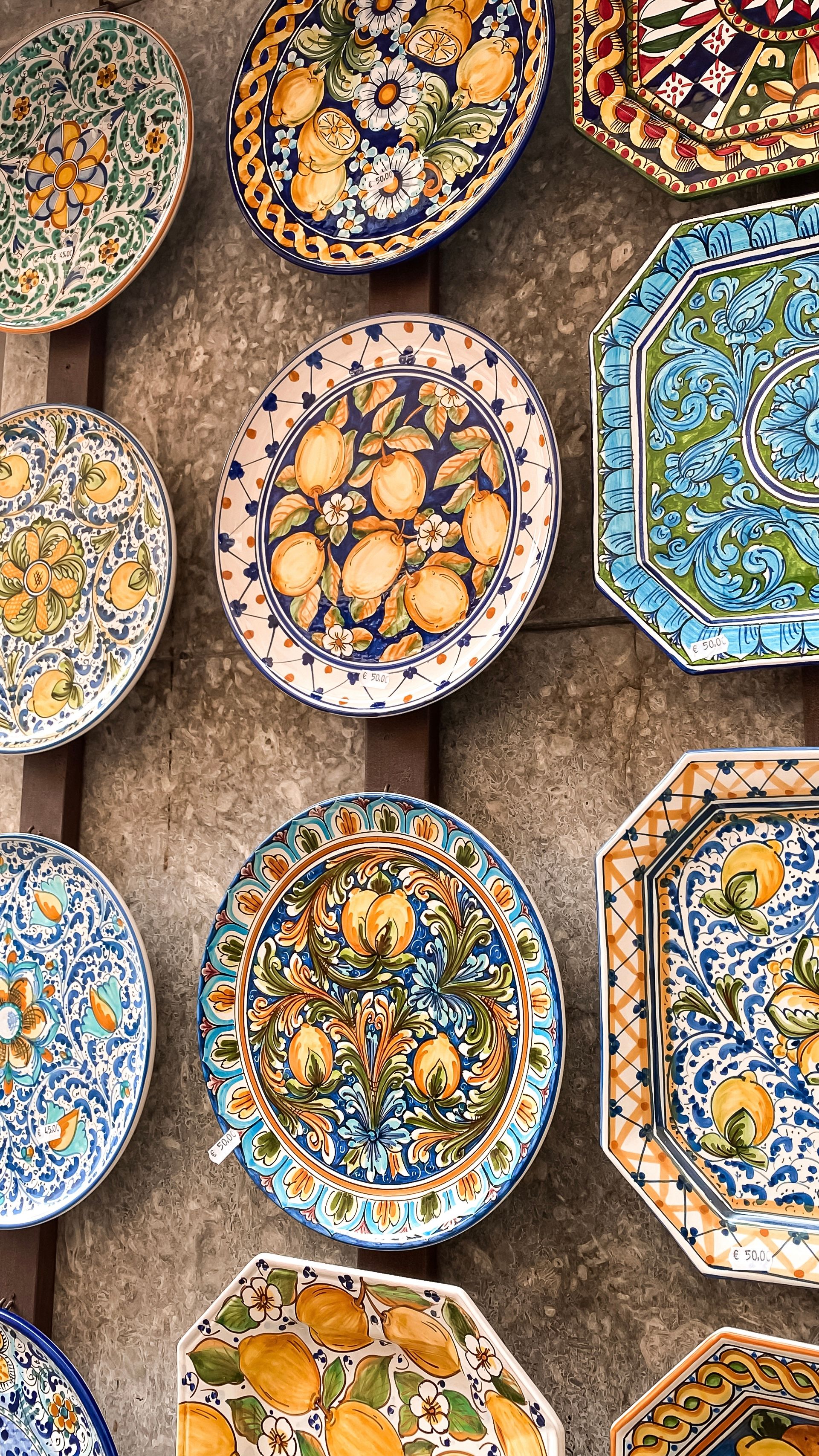
✨ Caltagirone is Sicily’s undisputed capital of ceramics, a craft that has flourished here for centuries. The city is dotted with artisan workshops and elegant boutiques showcasing exquisite handcrafted pieces. You’ll find ceramics throughout Sicily, but this is where the tradition truly originates and thrives. Bringing home a unique ceramic piece from Caltagirone is the perfect way to take a piece of Sicily with you
👉There are several workshops🔗 where you can try your hand at making ceramics and experience this centuries-old craft firsthand
👉 Ready to explore Sicily beyond the Val di Noto? Check out the full 2-week Sicily itinerary 🔗 for everything you need to plan an unforgettable trip across the island
Related Articles
| Best Food in Sicily Italy |
| A Local's 1 Week Northen Sicily Itinerary |
| Vendicari Nature Reserve Sicily |
| Things to do in Modica Sicily |