Types of Italian Coffee: a Local's Guide


Types of coffee in Italy
Italy is a country where coffee is far more than just a drink—it’s a daily ritual shaped by tradition, regional identity, and unwritten social rules. From north to south, each region brings its own nuances, preferences, and specialties, making Italian coffee culture incredibly rich and diverse.
While the iconic espresso is the foundation everywhere, the way coffee is prepared, served, and enjoyed can change significantly depending on where you are. In cities like Turin, you’ll find historic drinks like bicerin, while in Naples coffee is stronger, bolder, and deeply rooted in local customs. In Venice, it’s not just about the coffee itself, but the atmosphere of centuries-old cafés.
Across the country, coffee is quick, intentional, and rarely taken “to go.” It’s often enjoyed standing at the bar, accompanied by a brief conversation, and always at the right moment of the day—because in Italy, ordering a cappuccino after lunch might raise a few eyebrows.
✨ In this guide, we’ll explore:
☕ The different types of Italian coffee and what makes each one unique
🌍 Regional variations and traditions you won’t find anywhere else
📍 How locals actually drink coffee (and how to avoid common mistakes)
Heads up: this page may include affiliate links. By clicking and/or purchasing, I may receive a small commission at no extra cost for you. I only recommend tools I have personally vetted.
☕ Italian coffee types
Caffè normale
The caffè, also known as espresso, is the foundation of Italian coffee culture. It’s a small, strong shot of coffee with a rich flavor and a layer of crema on top.
✨ Italians drink it throughout the day, usually quickly while standing at the bar. It’s especially common after meals, particularly lunch and dinner.

Caffè ristretto
A ristretto is an even shorter and more concentrated version of espresso. It uses less water, resulting in a bolder, more intense flavor.
✨ Consumed like a regular espresso—quickly at the bar, often after a meal for a stronger kick.

Caffé Lungo
A lungo is a “long” espresso made with more water, giving it a milder and slightly more diluted taste.
✨ Usually enjoyed in the morning or during a relaxed coffee break, perfect for those who prefer a less intense flavor.
Caffé doppio
A doppio is simply a double shot of espresso, offering a stronger and more caffeinated experience.
✨ Popular in the morning or during busy days when you need an extra energy boost.
Caffé macchiato
A macchiato is an espresso “stained” with a small amount of milk foam, slightly softening its strong taste. It can be served hot (caldo), with warm milk foam added to the espresso, or cold (freddo), where the espresso is topped with cold milk instead of warm, keeping the coffee itself strong and refreshing.
✨ Usually drunk in the morning or early afternoon, but rarely after meals.

Cappuccino
A cappuccino is made with espresso, steamed milk, and a thick layer of foam, creating a creamy and balanced drink.
✨ Strictly a breakfast drink in Italy, often paired with a pastry. Ordering it after lunch or dinner is unusual.

Latte macchiato
A latte macchiato is mostly hot milk “stained” with a shot of espresso, resulting in a mild and creamy flavor.
✨ Typically enjoyed at breakfast or by those who prefer a very light coffee.
Caffé Latte
A caffè latte is a mix of espresso and a larger amount of hot milk, with little to no foam.
✨ In Italy, it’s mostly a homemade breakfast drink rather than something commonly ordered at a café.

Marocchino
The marocchino is a small, indulgent drink made with espresso, cocoa powder or chocolate, and a touch of milk foam, often served in a glass.
✨ Perfect as a mid-morning or afternoon treat when you want something slightly sweet.
Nutellino
The nutellino is a sweet and creamy drink made with espresso, milk foam, and a layer of Nutella.
✨ More of a dessert than a coffee, best enjoyed as an indulgent break during the day.
Affogato al caffé
An affogato is a dessert made by pouring a hot shot of espresso over a scoop of vanilla gelato.
✨ Typically served after a meal, especially in warmer months, as a refreshing dessert.
Caffè al ginseng
This coffee is made with ginseng extract, giving it a naturally sweet and slightly caramel-like flavor.
✨ Can be enjoyed at any time of the day as a lighter, less bitter alternative to espresso.
Caffè corretto
A caffè corretto is an espresso “corrected” with a splash of liquor, such as grappa, sambuca, or brandy.
✨ Typically consumed after meals, especially in the evening, as a digestif.
🌍 Regional variations
Bicerin
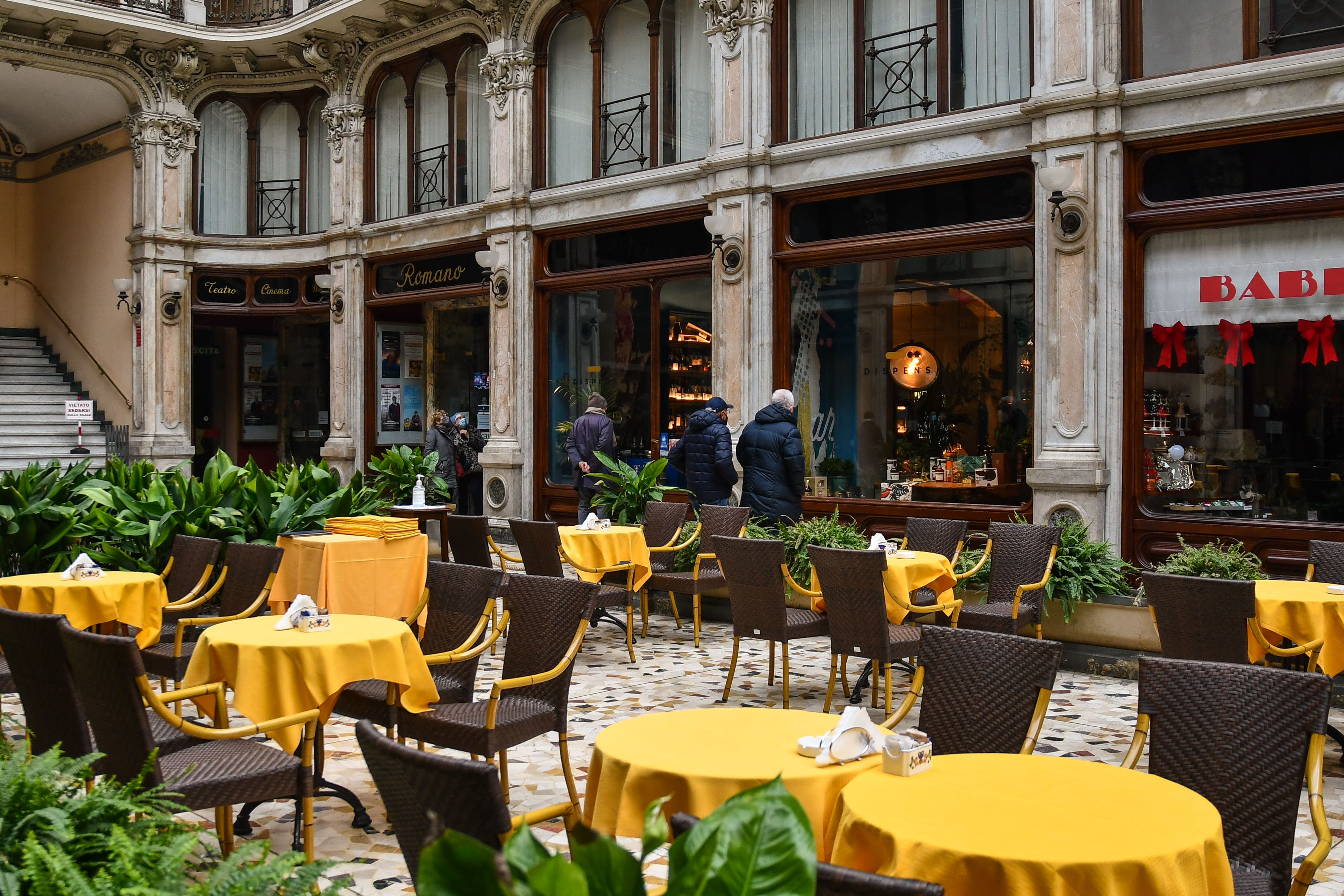
Turin’s signature drink, bicerin, is a layered beverage made from espresso, hot chocolate, and whipped cream. This decadent drink was invented in the 18th century and is still served in the city’s historic cafés. Turin has a rich and deeply ingrained caffè culture, with old-fashioned cafés that have preserved their charm and elegance for centuries. These establishments are not just places to grab a quick coffee; they are cultural institutions where people gather to socialize, read, and enjoy life at a slower pace. It’s perfect for sipping on a chilly day while taking in the elegant surroundings of one of Turin’s beautiful squares.
👉 Curious to experience Turin like a local? Check out my full guide🔗 to the best coffee spots in Turin and my favorite cafés.
Caffé Leccese
Caffè Leccese is a traditional coffee from the Puglia region, specifically from Lecce. Served cold with ice cubes and a splash of almond milk (latte di mandorla), sometimes sugar is added, but the real charm comes from the slightly nutty flavor of the almond milk blending with the bold espresso.
✨ Traditionally enjoyed for breakfast or as a refreshing afternoon pick-me-up, especially on hot summer days.
👉 Take a look at my complete guide🔗 to Lecce’s top coffee spots, where I highlight the cafés I love the most.
📍 How locals actually drink coffee
In Italy, coffee isn’t just a drink—it’s a ritual. Locals usually enjoy a quick espresso at the bar, often standing, and it’s uncommon to take it to go. The bar itself is a social hub that shifts with the rhythm of the day—serving coffee in the morning and turning into a lively spot for aperitivo or cocktails later on. Timing also matters: cappuccinos and other milk-based coffees are typically reserved for breakfast, while espresso is the go-to choice for the rest of the day.
✨ If I stop for coffee at a bar, I usually start my morning with a caffè macchiato, but if I have a bit more time, I’ll treat myself to a cappuccino. Interestingly, a common habit is to have an espresso after a cappuccino, since the milk in the cappuccino doesn’t give the full wake-up effect. At home, I usually make coffee with a moka pot, though many people use modern coffee machines. I still enjoy an espresso after every meal, although I’ve recently started skipping it after dinner!

Related Articles
| A local's guide to Turin Italy |
| Best Food in Naples Italy |
| A Local's Guide to southern italy food: Puglia |
| What to eat in Venice Italy |
| Best Food in Sicily Italy |
| A Local's Guide: Best Food in Matera |