Chiang Rai: The Northern Thailand You Didn't Expect


Chiang Rai is not the kind of place that overwhelms you. It's quieter, smaller, and less polished than Bangkok or Chiang Mai — and that's exactly what makes it worth the trip. Most people come for the White Temple and leave the same day. That's a mistake. Stay three days, join a jungle trek, get out to the tea plantations, and spend your evenings at the night market eating food that might be the best you'll have in the entire country.
Practical Information
Recommended Stay
3 days and 2 nights minimum. One day is enough to see the temples, but not nearly enough to understand why Chiang Rai is worth visiting.
Getting There
✈️ By Plane: The easiest way to reach Chiang Rai is by flying directly from Bangkok — both Suvarnabhumi and Don Mueang have frequent connections to Chiang Rai International Airport (CEI), with the flight taking just over an hour. Alternatively, you can fly into Chiang Mai and take a bus or minivan north — the journey takes around 3 hours and the road is scenic.
👉 You can book your plane ticket here🔗
🚌 By Bus & Minivan: Buses and minivans connect Chiang Rai to Chiang Mai, Bangkok, and other northern destinations daily. If you're coming from Chiang Mai, a minivan is the most convenient option — departures are frequent and the journey takes around 3 hours.
👉 I booked most of my transportation on the 12Go website🔗
Getting Around
Chiang Rai is a small city and easy to navigate on foot or by Grab within the centre. For the temples, tea plantations, and jungle tours outside the city, you'll need to rely on organised tours or hire a driver for the day — there's no practical way to reach these independently without a vehicle.
💡 Most guesthouses and travel agencies in the city centre can arrange day tours easily and at reasonable prices.
Accommodation
The city centre is the best base — it keeps you close to the night market, the main temples, and all the tour operators.
- Luxury: Nak Nakara Hotel 🅱️ Booking 🔗 🆃 Trip 🔗🅰️ Agoda 🔗
- Mid-range: Baan Mai Kradan Hostel 🅱️ Booking 🔗 🆃 Trip 🔗🅰️ Agoda 🔗
- Budget / My pick: Tourist Inn Home & Bread 🅱️ Booking 🔗 🆃 Trip 🔗🅰️ Agoda 🔗
Day 1 — Thai Massage, Temples & the Night Market
Thai Massage — morning
Start the day with a traditional Thai massage. They're everywhere in Chiang Rai — walk into almost any side street in the city centre and you'll find one. A full-body session typically runs 1–2 hours.
⚠️ A proper Thai massage is nothing like a relaxing spa treatment. It's intense, deep, and involves a lot of pressure and stretching — some find it genuinely painful, especially the first time. Go in prepared and you'll come out feeling completely different. It's worth it
💸 It costs between 200–400 THB (~€5–11)
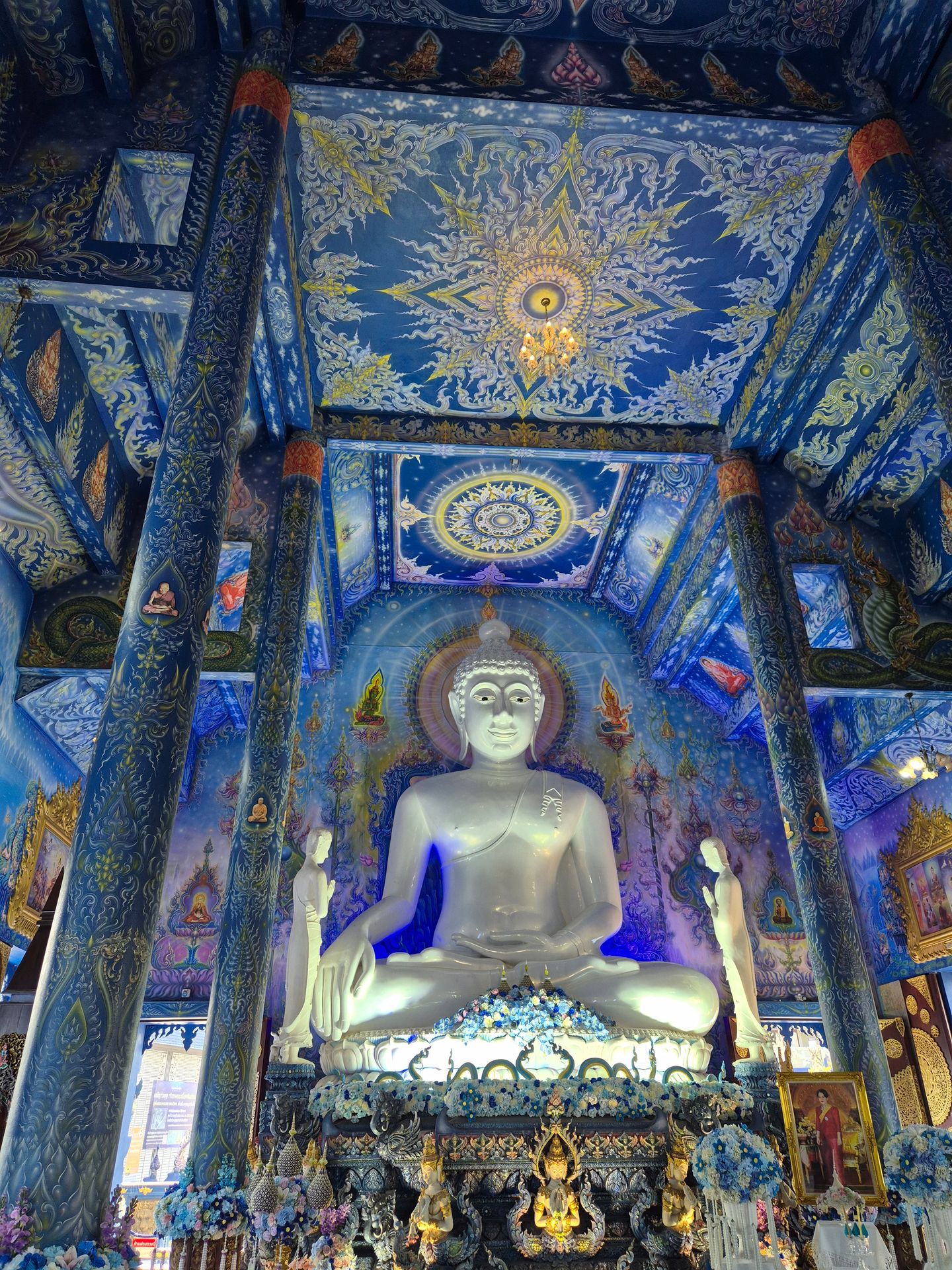
Wat Rong Seur Ten — The Blue Temple — mid-morning
Worth a visit if you're in the area, though don't expect to spend more than 30–40 minutes — it's a quick one. The deep blue and gold interior is striking, but it's modern, a bit over the top, and clearly built to impress rather than to be used.
⚠️ It sits outside the city centre, so you'll need a Grab to get there — just keep in mind that Chiang Rai has far fewer drivers than Bangkok or Chiang Mai, so book in advance and don't count on finding one immediately
🕒Open daily 7am–8pm
💸Free entry
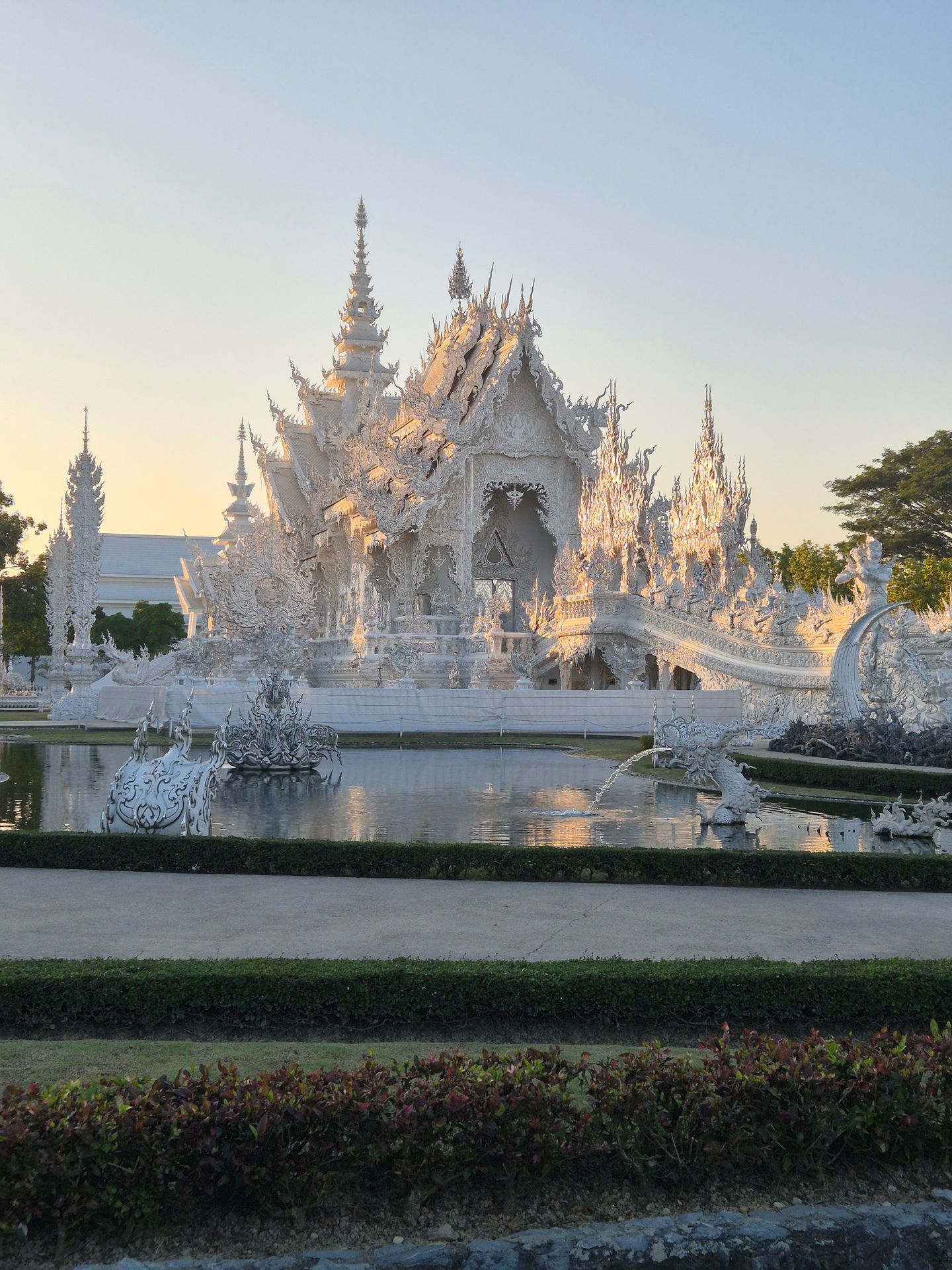
Wat Rong Khun — The White Temple — late afternoon
The best of the two temples in the area, and the more interesting one to visit. It's entirely artificial — built in 1997 and designed specifically as a tourist attraction — but the late afternoon light on the white mirror-glass exterior makes it genuinely beautiful. The complex is larger than it looks from the entrance but moves quickly — most people are done within an hour.
⚠️ Also the White Temple sits outside the city centre so you'll need a Grab — book it in advance, drivers in Chiang Rai are few and not always easy to find on short notice
🕒Open daily 6:30am–6pm
💸100 THB (~€3)
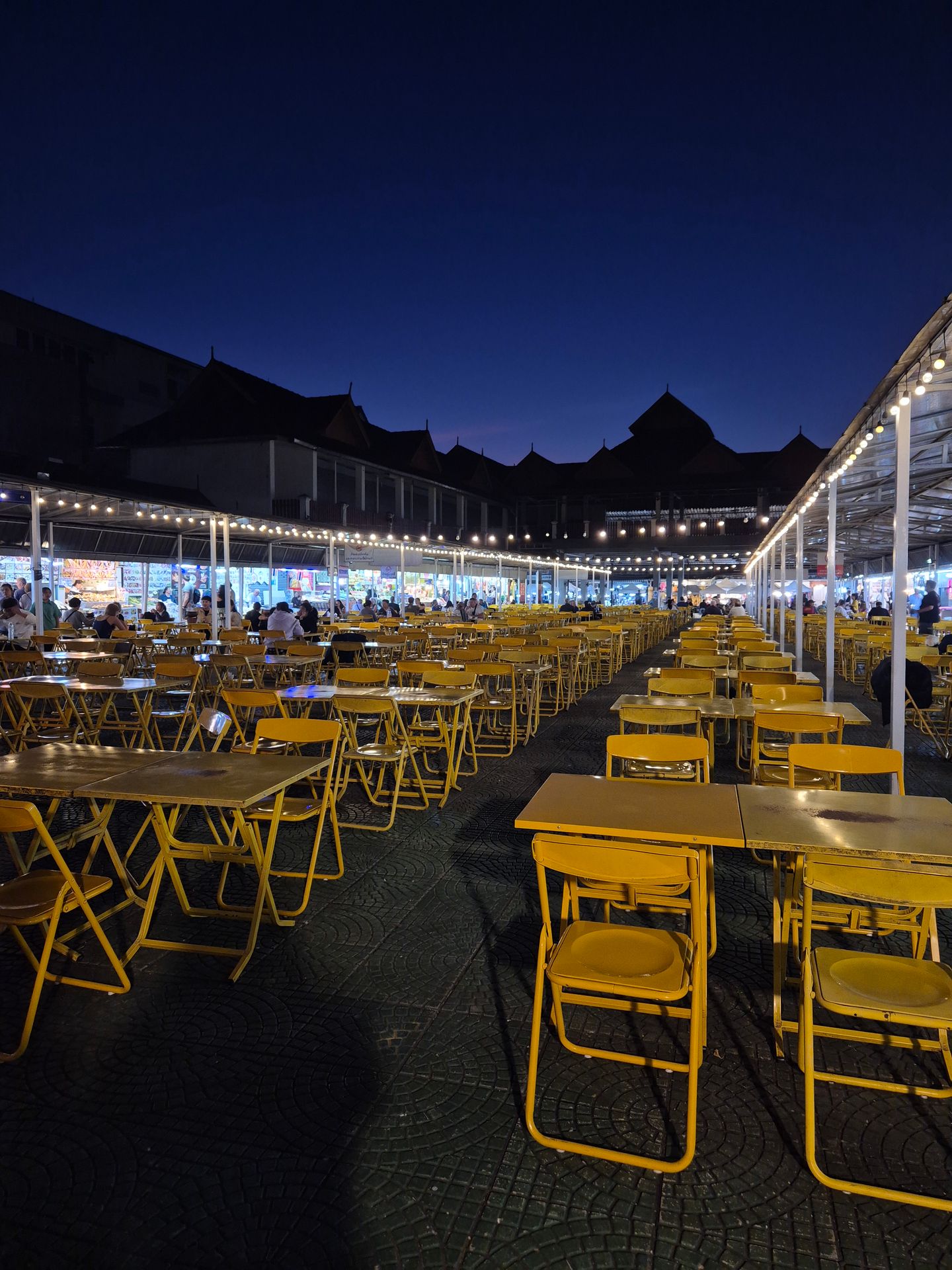
Chiang Rai Night Market — evening
One of the best night markets in Thailand, and notably less staged than Chiang Mai's. Local vendors, genuine street food, handmade crafts. This is also the best place in Thailand to buy souvenirs — quality is high and you're buying from local makers.
✨ And eat the Chim Chum — a clay pot of fragrant herbal broth over charcoal where you cook your own meat and vegetables at the table. One of the most memorable dishes in the entire country.
🍴 Make sure to stop by Barrab Restaurant 🔗 the day before to leave your name — it's always full and doesn't take reservations by phone. One of the best meals I had in the entire country. The menu focuses on northern Thai specialties that you won't easily find elsewhere — worth planning your day around it.
Day 2 — Jungle Trek
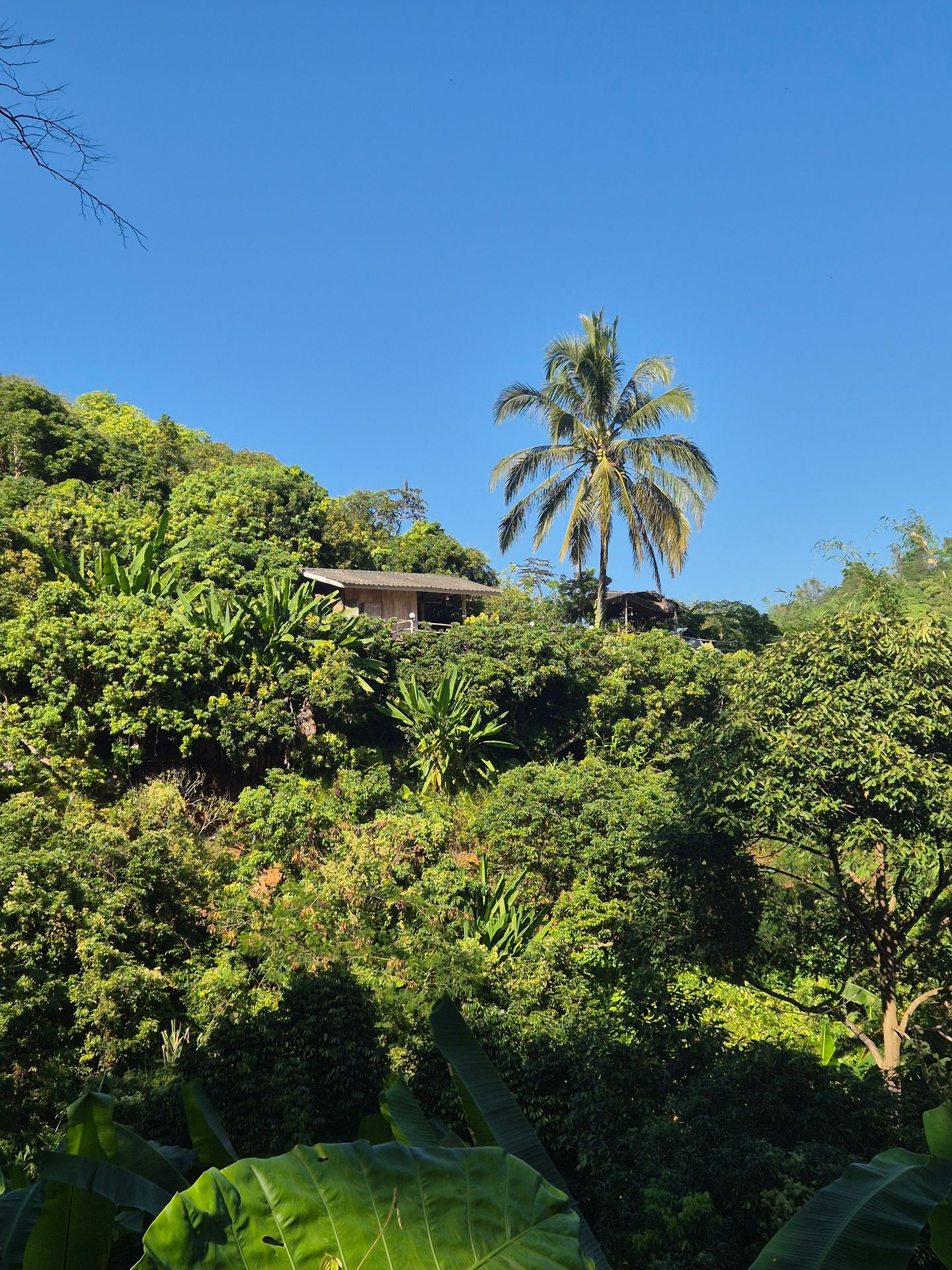
A full-day jungle trek in the hills around Chiang Rai is one of the highlights of the entire Thailand trip. The landscape is dense and green, the trails lead through forest and past waterfalls, and the experience feels genuinely remote despite being relatively close to the city. Groups are small, the pace is manageable, and the guides tend to be excellent — knowledgeable about the local flora, fauna, and the hill tribe communities that live in the area.
It's not a hardcore trekking experience — you don't need to be particularly fit — but it's active, immersive, and completely different from anything else on this itinerary.
💡 Half-day options are available if you want a lighter version, but the full day is worth it.
👉 Book your jungle trek here 🔗
Day 3 — Golden Triangle & Tea Plantations
The Golden Triangle tour takes you to the point where Thailand, Myanmar, and Laos meet at the Mekong River — historically notorious as one of the world's major opium-producing regions, now a surprisingly peaceful and scenic border area. It's an interesting piece of history to see in person, though the experience itself is more about context than spectacle.
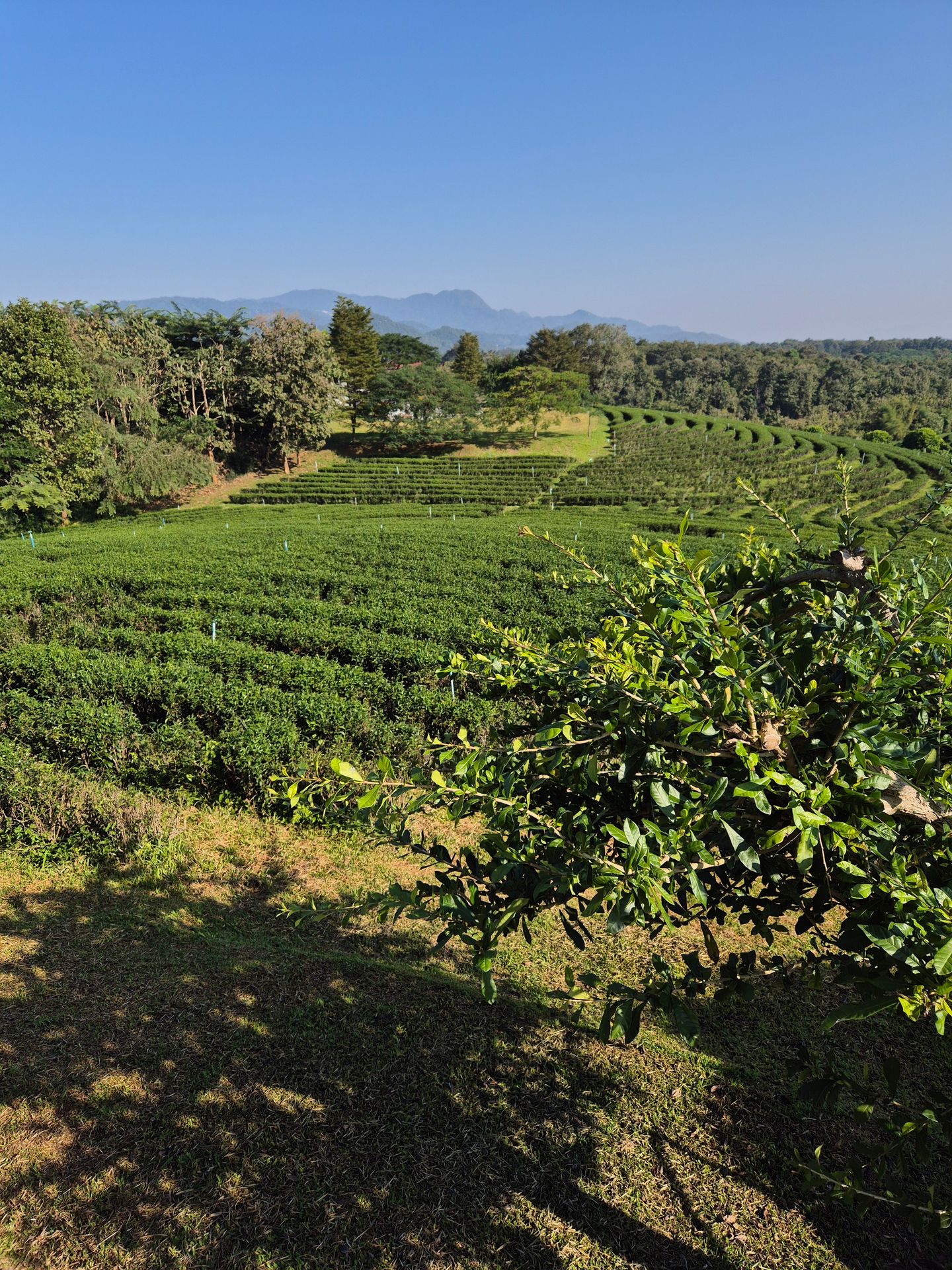
The tea plantations are the real highlight. The hills around Chiang Rai are covered in tea and coffee growing land, and most tours include a stop at a working plantation where you can see how the leaves are processed and, more importantly, taste the result. The tea and coffee here are excellent — lighter and more aromatic than what most visitors expect — and the plantation scenery, with rows of tea bushes rolling across the hillside, is genuinely beautiful.
It's a slightly more relaxed day than the jungle trek — more scenic, less physical — and a good way to end the Chiang Rai leg of the trip.
👉 Book your Golden Triangle tour here 🔗
Thai Food
Chiang Rai might have the best food in Thailand. That's a bold claim given the competition, but the combination of quality, authenticity, and price is hard to match anywhere else in the country. The northern cuisine here is distinct from what you'll find in Bangkok or on the islands — more herb-forward, less sweet, with dishes you simply won't encounter elsewhere.
The night market is the best place to start, but the sit-down restaurants in the city centre are equally good. Don't leave without trying Khao Soi, the rich coconut curry noodle soup that is the signature dish of northern Thailand — Chiang Rai does it as well as anywhere.
👉 For specific restaurant recommendations in Chiang Rai and across Thailand, read my complete guide to the best food in Thailand 🔗
Final Thoughts
Chiang Rai rewards the traveller who stays longer than a day. The temples are worth seeing, but they're the beginning of the visit, not the point of it. The jungle, the tea plantations, the food, and the atmosphere of a northern Thai city that hasn't been entirely reshaped by tourism — that's what makes Chiang Rai genuinely memorable.
It's the kind of place you almost skip, and then end up recommending to everyone.
👉 Planning a longer trip? Check out my complete 3-week Thailand itinerary🔗 for the full route, from Bangkok to the northern temples and the eastern islands
Related Articles
| 10 Essential Things to Know Before Visiting Thailand |
| Best Food in Thailand |