3 Weeks in Thailand


The ultimate itinerary for temples, jungles, and tropical islands — designed to go beyond the tourist trail.
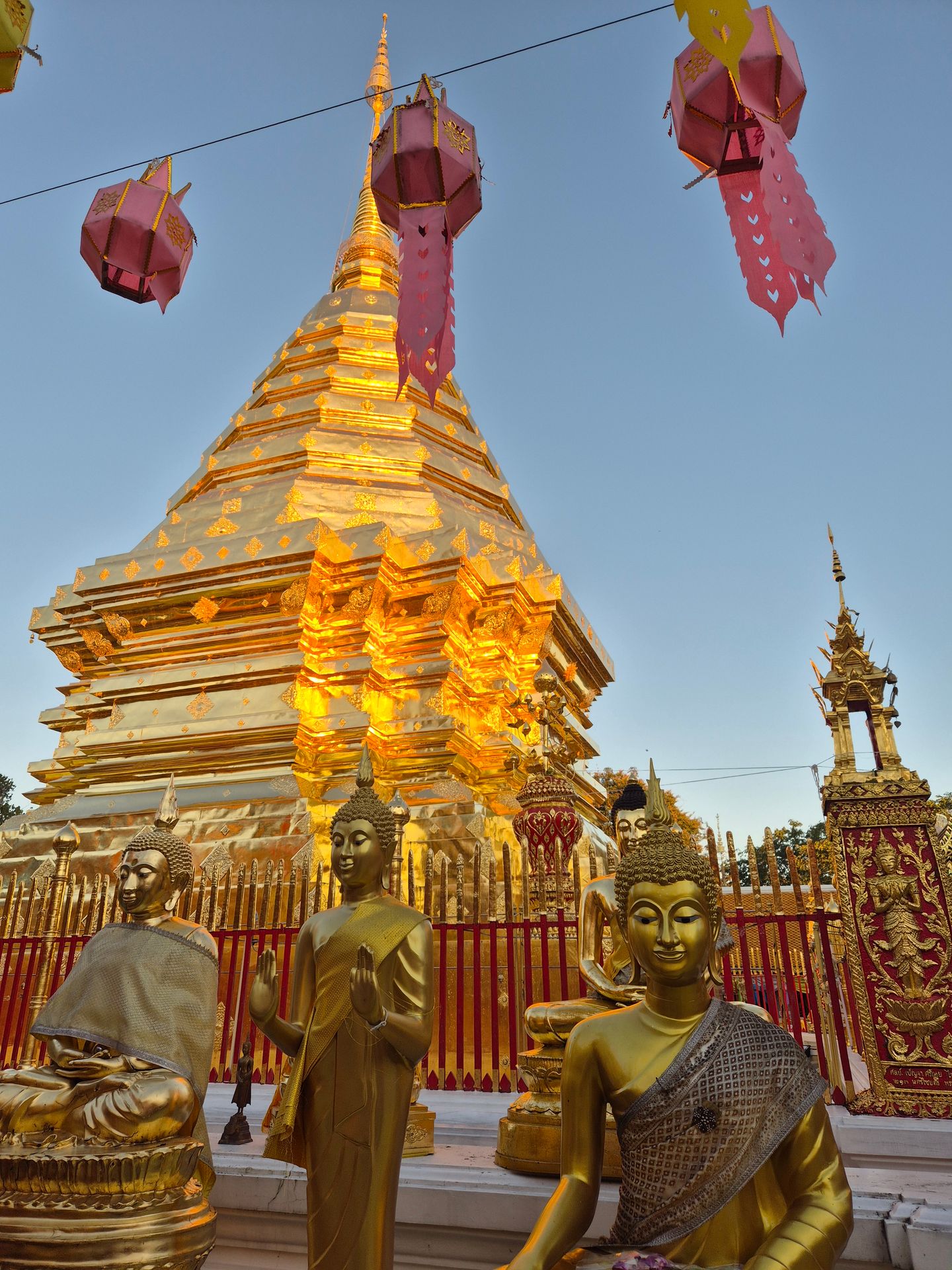
Thailand is one of those destinations that truly has it all. Golden temples, chaotic cities, tropical islands, floating bungalows, ancient jungles, extraordinary food, and some of the friendliest people you'll meet while traveling.
But planning a trip here can feel overwhelming. Most itineraries either try to squeeze in too many places or lead you straight to the most crowded, over-touristed spots on the map.
This three-week itinerary is built differently. The goal is to help you experience some of Thailand's most beautiful places while avoiding the worst of overtourism. Iconic destinations like Bangkok and Chiang Mai are absolutely included — they deserve every bit of their reputation — but the focus also shifts to quieter islands, more authentic experiences, lush nature, and places that still feel relatively untouched.
Practical Information
Location
Thailand sits in Southeast Asia and is one of the most visited countries in the world, thanks to its combination of tropical islands, ancient temples, vibrant cities, rainforests, and a cuisine that people genuinely plan trips around.
This itinerary covers four main areas:
🛕 Chiang Rai & Chiang Mai (north)
🌿 Khao Sok National Park (jungle south)
🏝️ Koh Chang & Koh Kood (east islands)
🌆 Bangkok (capital city)
Suggested Route 🌍
Bangkok → Chiang Rai → Chiang Mai → Khao Sok → Bangkok → Koh Chang → Koh Kood → Bangkok
💡 Ideally around three weeks — enough time to explore without constantly rushing, and to actually enjoy each destination rather than just passing through it.
Getting Around
Thailand is one of the easiest countries to travel around in Southeast Asia. Domestic flights are frequent and affordable, and long-distance transport is well developed in almost every direction.
✈️ By Plane: Bangkok is the main international hub, served by two airports: Suvarnabhumi (BKK) and Don Mueang (DMK). Don Mueang is the budget airline hub and the one you'll likely use for domestic connections. The key domestic routes for this itinerary are Bangkok → Chiang Rai, Chiang Mai → Surat Thani (for Khao Sok), and Surat Thani → Bangkok
👉 You can book your plane ticket here🔗
🚆 By Train: The overnight train between Bangkok and Chiang Mai is a classic Thailand experience. It's slower than flying, but scenic, comfortable enough, and genuinely atmospheric — worth doing at least once.
👉 You can book your train ticket here🔗
🚌 By Bus & Minivan: Buses and minivans connect almost every destination in the country. They're particularly useful for transfers to Khao Sok, ferry connections in the south, and regional travel where trains don't reach.
Buses and minivans connect almost every destination in the country and are useful for:
👉 I booked most of my transportation on the 12Go website🔗
⛴️ Ferries: To reach Koh Chang and Koh Kood, ferries depart from Bangkok. Koh Chang has frequent services and is easy to reach. Koh Kood is more remote with fewer departures — plan ahead, especially in high season.
👉 For details, check out my article Koh Chang and Koh Kood Islands🔗
In Cities
In Bangkok and Chiang Mai you have the BTS and MRT metro systems, the Grab app or Bolt app (essential — download both before you leave), and river boats in Bangkok.
⚠️ Grab or Bolt will save you from almost every negotiation with taxi drivers
📌 Transport Tips
- Book domestic flights early for the cheapest fares (AirAsia, Bangkok Airways)
- The overnight train to Chiang Mai requires advance booking for sleeping berths
- Minivans are faster than buses but can be cramped on long routes
- For Koh Chang and Koh Kood transportation, book in advance — they run out during peak season
Budget
Thailand works for every travel style. Costs depend heavily on where you sleep and how you eat, but street food and local transport keep expenses low even on a mid-range budget.
Weather & Best Time to Visit
Thailand has a tropical climate with warm temperatures year-round, but the three seasons are genuinely different from each other — and the difference matters when planning a trip.
☀️ Cool & Dry Season (November–February): The best time to visit overall. Lower humidity, pleasant temperatures, ideal for both islands and sightseeing.
🔥 Hot Season (March–May): Very hot everywhere, especially Bangkok. Islands remain enjoyable. Northern Thailand can have smoke from seasonal burning.
🌧️ Rainy Season (June–October): Intense but short bursts of rain, far fewer tourists, greener landscapes. Possible ferry disruptions on eastern islands.
💡 November to February is the best window for this specific itinerary, covering both the north and the islands comfortably
📌 Practical Tips Before You Go
- Carry cash — markets, street food stalls, and many smaller guesthouses don't take cards
- Bring mosquito repellent, especially for Khao Sok and the islands
- Pack light — heat, humidity, and frequent flights make heavy luggage a genuine problem
- Be cautious with rented scooters if you're not experienced on two wheels
- Thai street food is safe, excellent, and one of the genuine highlights of the trip
Accommodation
Thailand offers something for every budget, but honestly you don't need to spend much to sleep well and stay in the right place. All the options below are budget-friendly picks with great locations — the ones I actually stayed at during this trip.
Bangkok: Lamphu House 🅱️ Booking 🔗 🆃 Trip 🔗🅰️ Agoda 🔗 🅺 Klook 🔗
Chiang Rai: Tourist Inn Home & Bread 🅱️ Booking 🔗 🆃 Trip 🔗🅰️ Agoda 🔗
Chiang Mai: Kavil Guesthouse 🅱️ Booking 🔗 🆃 Trip 🔗🅰️ Agoda 🔗
Khao Sok: Coco Hostel 🅱️ Booking 🔗 🅰️ Agoda 🔗
Surat Thani: Me Dream Residence 🅱️ Booking 🔗 🆃 Trip 🔗🅰️ Agoda 🔗
Koh Chang: Elephant & Castle Resort 🅱️ Booking 🔗 🆃 Trip 🔗🅰️ Agoda 🔗
Koh Kood: Suan Maprao Ko Kut Resort 🅱️ Booking 🔗 🆃 Trip 🔗🅰️ Agoda 🔗
Capital City
Bangkok
Bangkok is almost always the first stop in Thailand — and it hits hard. It's loud, intense, and disorienting at first, but it quickly becomes one of the most exciting cities in Asia. Skyscrapers sit next to temples. Night markets unfold under overpasses. Rooftop bars overlook a skyline that keeps growing. Everything coexists in the same chaotic, strangely addictive space.
💡Give it at least three or four days. The city rewards those who slow down and wander rather than ticking off a checklist
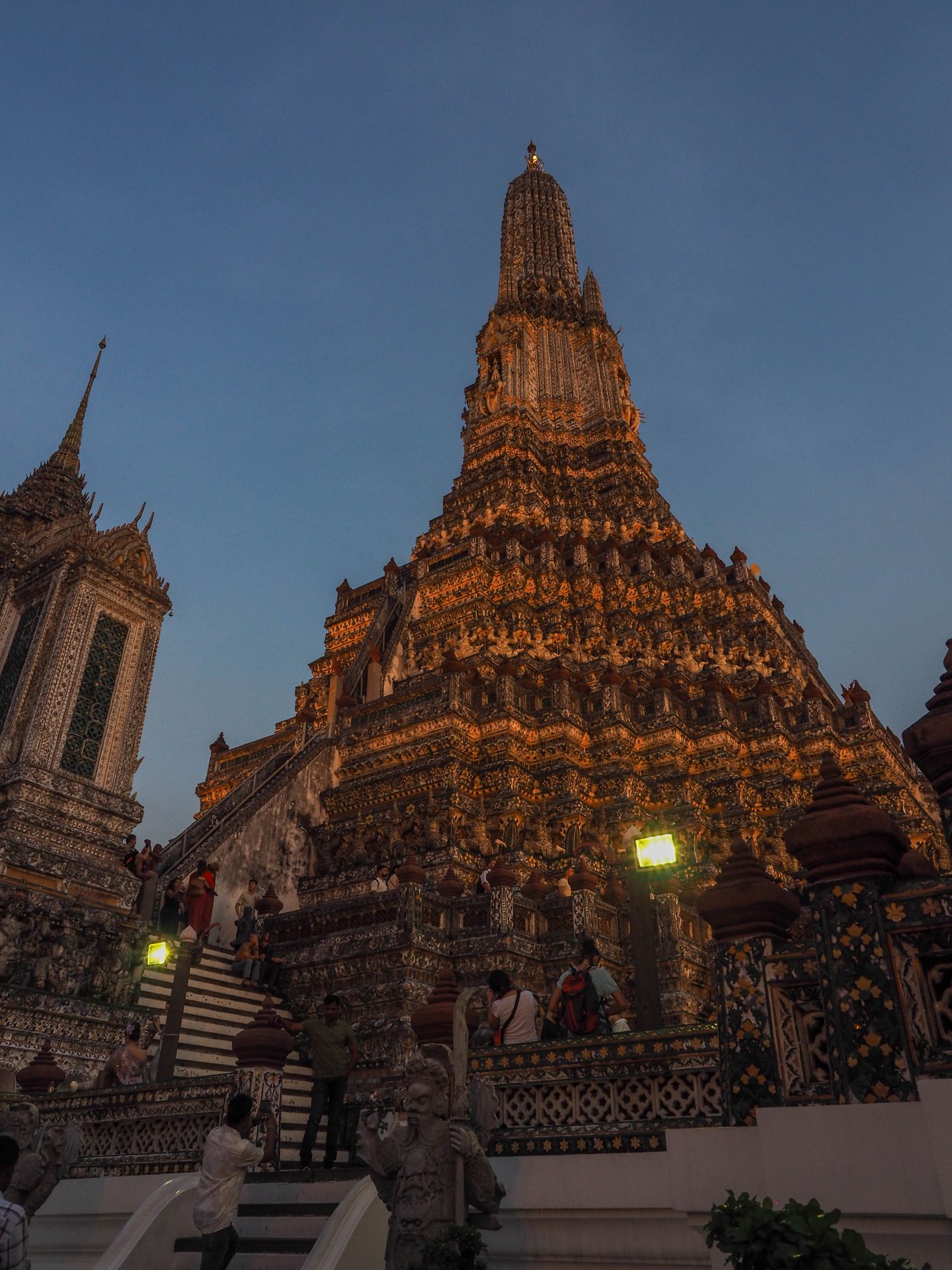
👉 Want to know the best temples, hidden cafés, and local food spots? Check out my complete Bangkok travel guide 🔗 for all the details and practical tips
📌 Practical Tips
- The river boats on the Chao Phraya are the most scenic and useful way to reach the temples
- Chinatown (Yaowarat) at night is one of the best street food experiences in the entire country
- Dress respectfully when visiting temples — shoulders and knees covered
- Attend an exciting Muay Thai boxing match — the bigger ones are in Bangkok
Northern Thailand
Chiang Rai
Atmosphere, Food, and a Couple of Very Instagrammable Temples
Let's be honest about Chiang Rai: the White Temple and the Blue Temple are not ancient sacred sites. Both were built from the late 1990s onwards, specifically to attract tourism — the White Temple's interior even features pop culture references including Avengers characters alongside traditional imagery. They are striking, photogenic, and genuinely worth an hour or two each. But if you're looking for real, centuries-old temple culture, that's Chiang Mai or Bangkok.
So why come to Chiang Rai? Because of what it feels like to be there. The city has a slower, more authentic rhythm than anywhere else on this itinerary. Fewer tour groups, less hustle, more of a sense that you're somewhere that hasn't been entirely shaped around visitors. And the food — Chiang Rai has arguably the best food in Thailand for quality-to-price ratio. The northern cuisine here is exceptional and costs almost nothing.
💡 One night is the minimum; two gives you time to breathe and eat well without rushing
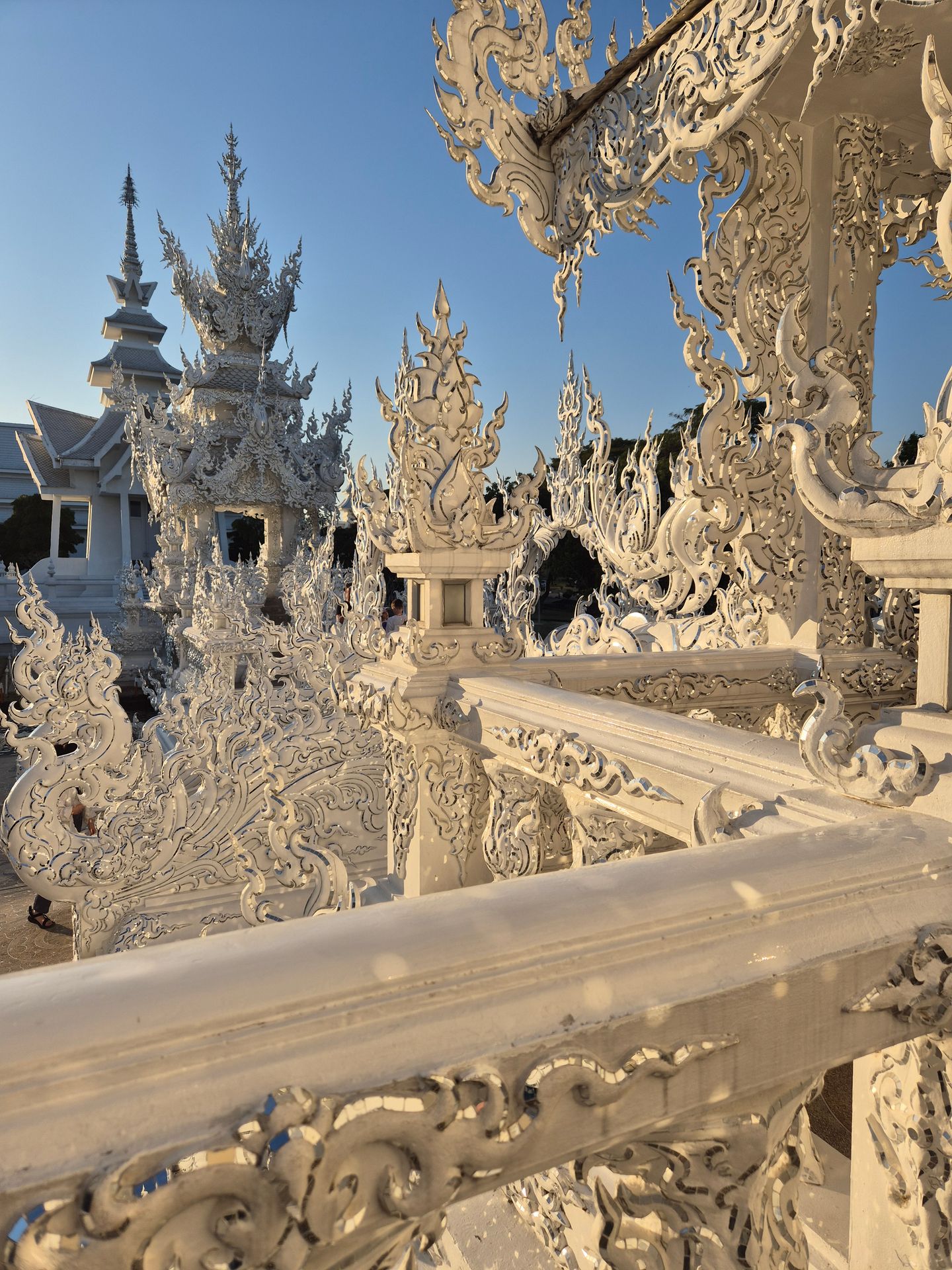
👉 Planning to visit Northern Thailand? Read my full Chiang Rai guide🔗 with the best things to do, where to stay, and how to plan your trip
📌 Practical Tips
- The night bazaar and surrounding street stalls are where to spend your evenings — eat as much as possible
- Northern dishes like khao soi, sai oua (herbed sausage), and nam prik noom (roasted chilli dip) are at their best here
Chiang Mai
Thailand's Cultural Capital
Chiang Mai is one of those cities where it's genuinely hard to leave. It blends culture, nature, and a relaxed pace of life in a way that Bangkok simply doesn't. The old city is compact and walkable, ringed by a moat and filled with temples. Beyond it, the surrounding mountains, waterfalls, and elephant sanctuaries add a whole other dimension to the visit.
💡 Spend at least four days here. The digital nomad scene has grown considerably in recent years, which means exceptional coffee shops and co-working spaces are everywhere — a bonus if you need to work between sightseeing

📌 Practical Tips
- Visit an ethical elephant sanctuary — avoid any place that offers riding; look for rescue sanctuaries where elephants roam freely
- Doi Suthep (the temple on the mountain) deserves a morning — go early for mist and fewer people
- The area around Nimman Road has the best cafés and restaurants in the city
👉 From temples and night markets to ethical elephant sanctuaries and waterfalls, check out my complete Chiang Mai guide🔗 to plan the perfect stay
Southern Jungle
Khao Sok National Park
Thailand's Jungle Wonderland
Khao Sok is one of the most extraordinary natural areas in Southeast Asia — and one of the most underrated. The national park is home to one of the world's oldest rainforests, ancient limestone karsts rising dramatically out of the jungle, and Cheow Lan Lake, an enormous reservoir surrounded by sheer cliffs and floating bungalows.
Spending a night on the lake is one of those experiences that stays with you. Waking up on a floating bungalow with limestone peaks emerging from morning mist, surrounded by jungle sounds, is genuinely unlike anything else.
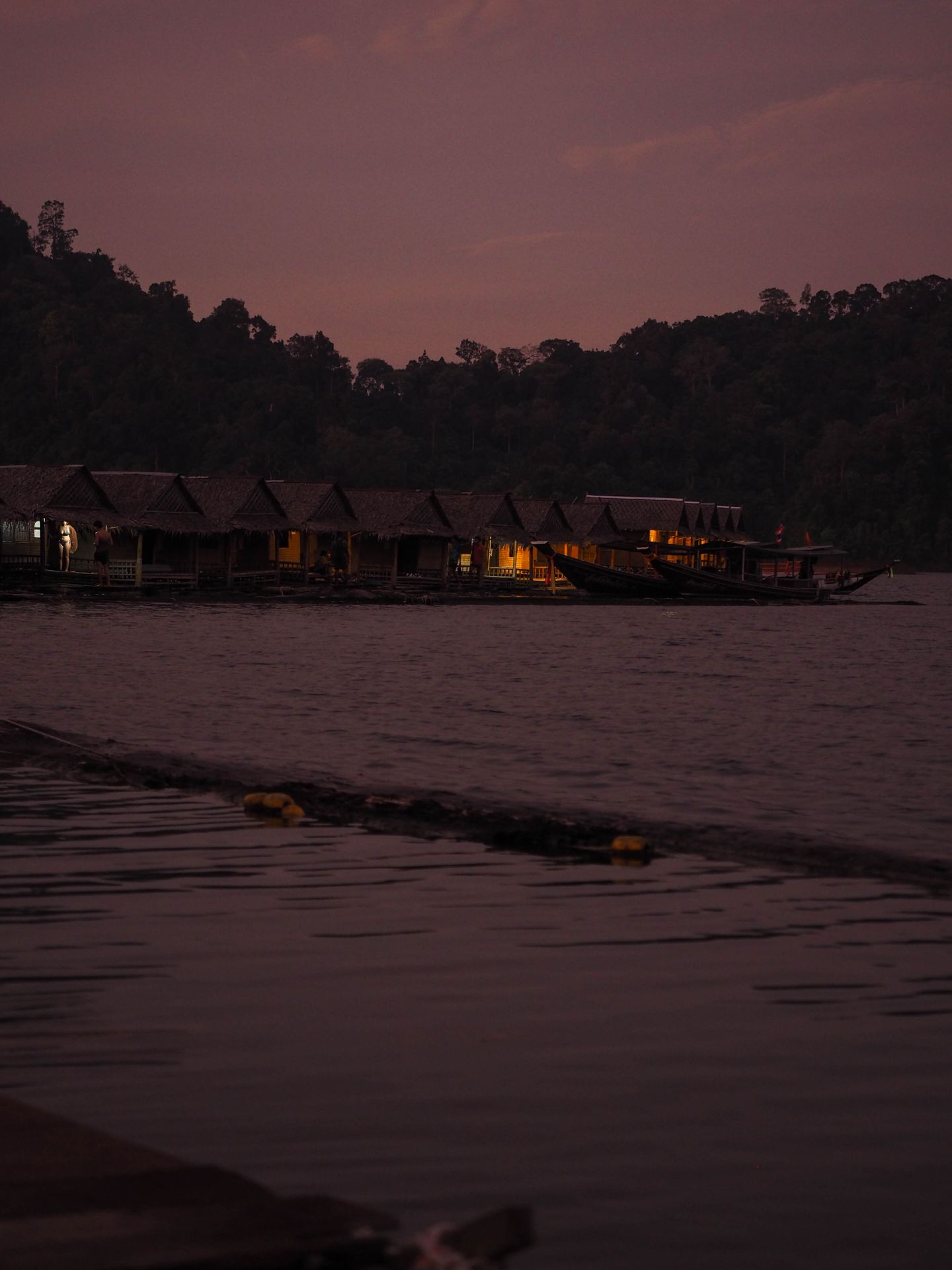
👉 Want to sleep on a floating bungalow surrounded by jungle? Read my full Khao Sok guide🔗 with lake tours, trekking tips, and everything you need to know before visiting
📌 Practical Tips
- Book floating bungalows well in advance — there are limited options and they fill up quickly
- Opt for a two-night lake stay if possible: the first evening and early morning are both magical
East Coast Islands
Koh Chang
Thailand's Underrated Adventure Island
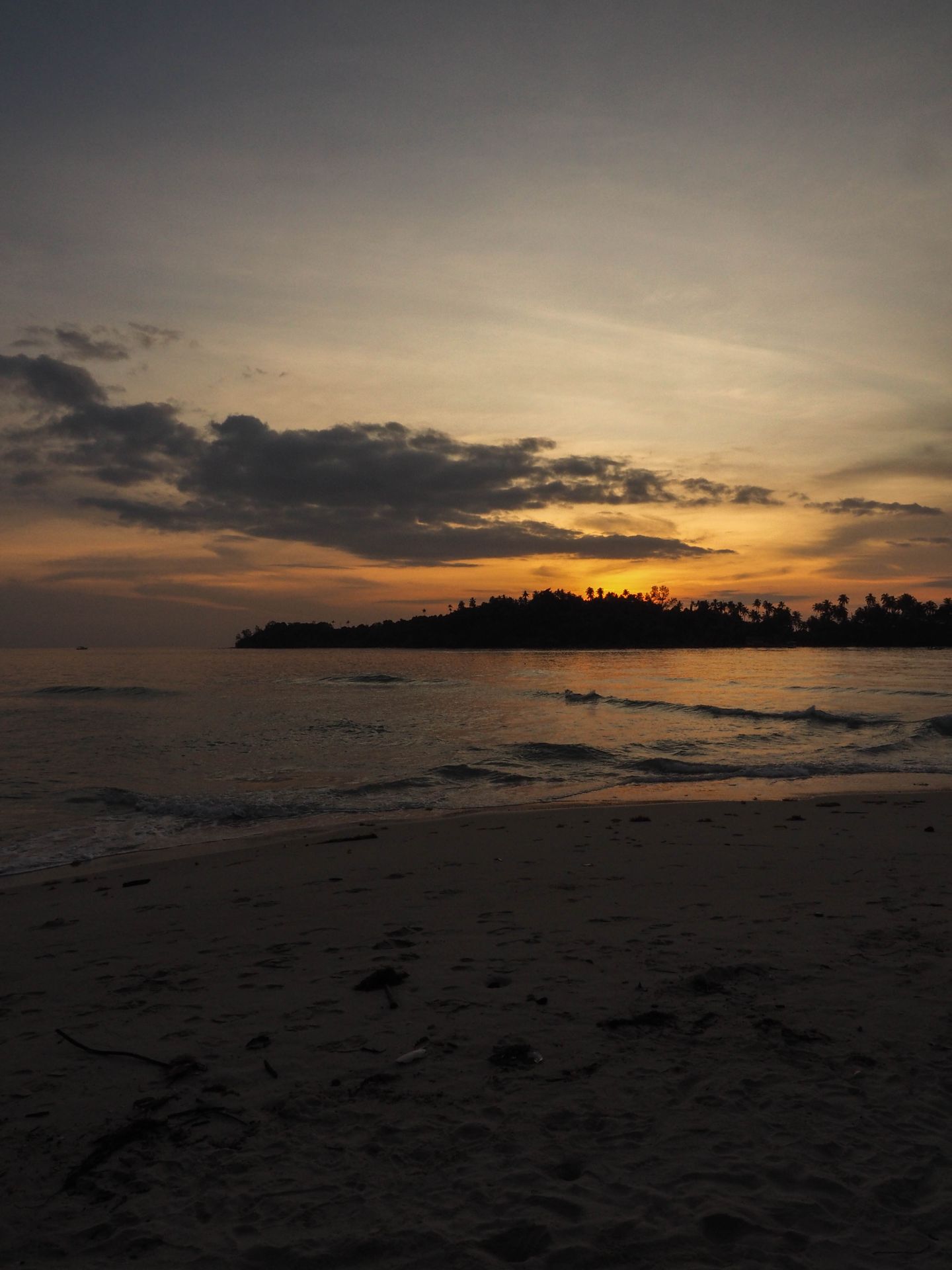
Koh Chang doesn't get the attention of Koh Samui or Koh Lanta, and that's exactly what makes it worth visiting. The island is large, jungle-covered, and genuinely hilly — roads wind through dense forest before dropping down to beaches that still feel relatively quiet. There are waterfalls to hike to, viewpoints that require effort to reach, and a coastline varied enough to keep you occupied for days.
It's a good fit for travelers who want beaches without the full party-island atmosphere.
📌 Practical Tips
- Rent a scooter to explore — the ring road around (part of) the island is scenic and well-maintained
- White Sand Beach is the most developed; Lonely Beach is more relaxed and backpacker-friendly
- The roads are steep and winding in places — be honest with yourself about scooter experience
Koh Kood
Thailand's Hidden Tropical Paradise
Koh Kood is the island that Thailand used to look like before Instagram found it. No party beach clubs, no jet ski rentals on every corner. Just clear water that shifts from green to deep blue, empty beaches fringed with coconut palms, and a pace of life that makes everywhere else feel rushed.
💡 It's the last stop on this itinerary for good reason: it's the kind of place where it's very easy to extend your stay by a day or three

👉 Dreaming of crystal-clear water and peaceful tropical beaches? Read my complete Koh Chang & Koh Kood guide🔗 with the best beaches, where to stay, and hidden spots around the island
📌 Practical Tips
- Ferry schedules from Koh Chang are limited — check them carefully before booking accommodation
- The island has very limited ATMs — bring cash from the mainland
- Snorkeling off the quieter northern beaches is excellent, especially in calm conditions
- Rent a scooter to explore the island
Which Island is Right for You?
Thailand has dozens of islands, and the right choice depends entirely on what you're looking for. Here's a quick breakdown to help you decide:
- Koh Samui — developed, convenient, resort-heavy. Good if you want infrastructure and nightlife, less good if you want to feel like you've discovered something.
- Koh Lanta — laid-back, popular with families and long-stay travellers. More relaxed than Samui but still well-touristed.
- Koh Chang — jungle, waterfalls, varied coastline. Good balance between accessibility and a more adventurous feel. Not a party island.
- Koh Kood — remote, quiet, almost no mass tourism. Clear water, empty beaches, coconut palms. The closest thing Thailand still has to an undiscovered island. This is where I went, and it's the reason I'd come back.
If you're after beach clubs, nightlife, and easy logistics — go north to Samui. If you want the feeling of an island that hasn't been fully claimed by tourism yet — Koh Kood is your answer.
Thai Food
One of the Real Highlights of the Trip
Thai cuisine is not just a backdrop to the trip — it's a destination in itself. Every region has its own dishes, techniques, and flavours, and the gap between street food and restaurant food is often negligible (or the street stall is better). The north is completely different from Bangkok, which is different again from the south.
👉 Check out my Thai food guide🔗
Related Articles
| 10 Essential Things to Know Before Visiting Thailand |
| Best Food in Thailand |