A Local's Guide: Best Food in Turin Italy


Nestled in the heart of northern Italy, Turin (or Torino in Italian) is a city renowned for its elegant architecture, rich cultural history, and sophisticated atmosphere. As someone originally from Turin, I can say that beyond its historical significance and stunning baroque facades, the city offers an equally enchanting culinary experience. What food is Turin Italy known for? The gastronomic scene here is a blend of traditional flavors and contemporary innovation, deeply rooted in the Piedmont region’s rich agricultural heritage.
✨In this guide we’ll first explore the 🍝must-try dishes that define Turin food culture, and then I’ll share 🍴my personal recommendations for the best places to taste them. Let’s embark on a culinary journey through Turin, highlighting the city’s signature dishes.
Heads up: this page may include affiliate links. By clicking and/or purchasing, I may receive a small commission at no extra cost for you. I only recommend tools I have personally vetted.
👉 To truly deepen your understanding beyond this article, consider joining a Turin food tour led by locals. The best way to experience a place is through its people, and food is at the heart of Italian culture. Here are some tours to explore:
- The Turin Chocolate & Wine Tasting Experience🔗
- Turin: Private Pasta-Making Class at a Local's Home🔗
- Fine Chocolate Tasting in Turin🔗
Where to stay in Turin
Turin offers a variety of accommodations, from luxury hotels to bed-and-breakfasts:
- Luxury: NH Collection Torino Piazza Carlina 🅱️ Booking 🔗 🆃 Trip.com 🔗🅴 Expedia 🔗
- Mid-Range: Magia sui tetti 🅱️ Booking 🔗
- Budget: Adalesia Hotel & Coffee 🅱️ Booking 🔗 🆃 Trip.com🔗🅴 Expedia 🔗
Turin Italy food
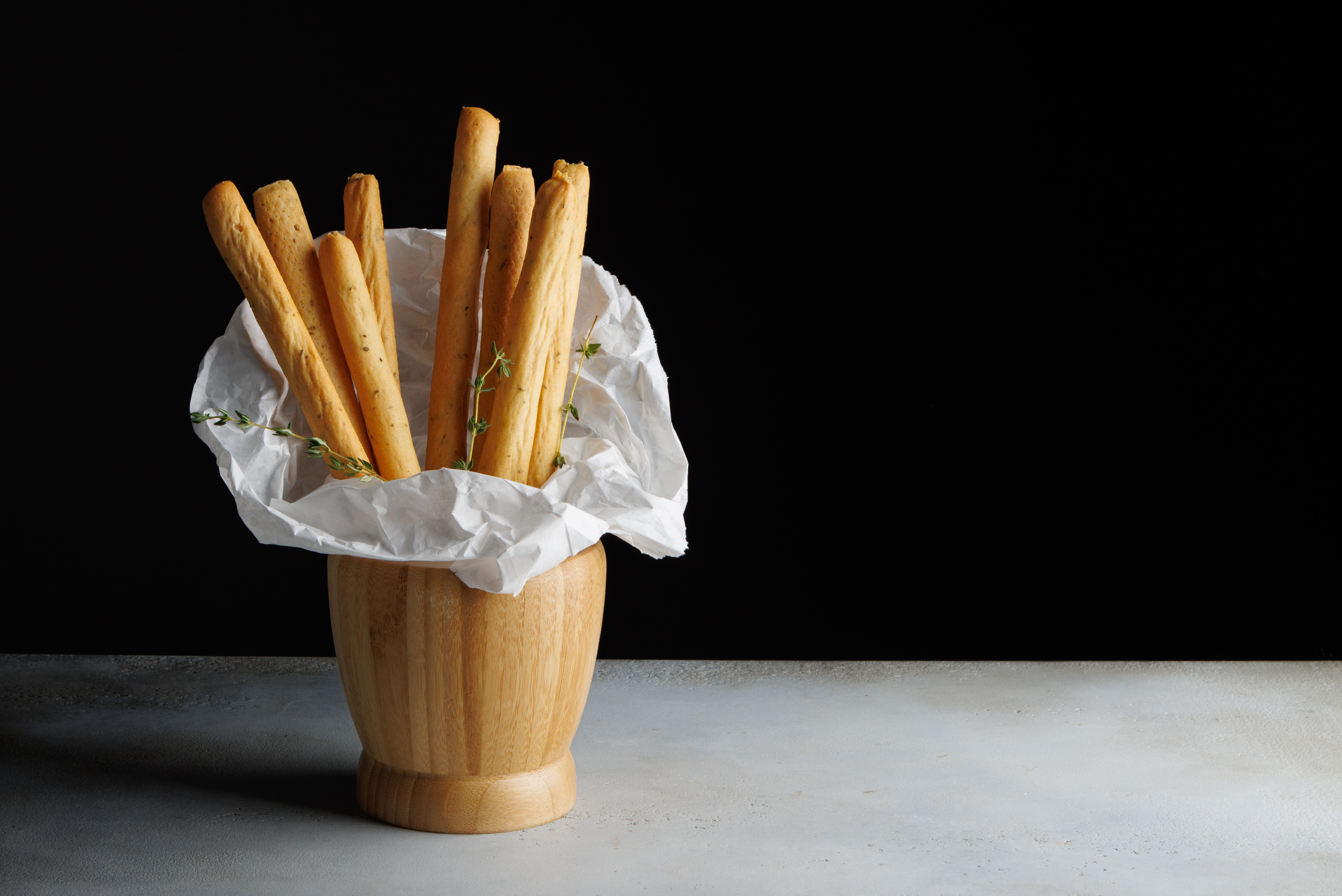
Grissini
No visit to Turin is complete without indulging in the city’s famous grissini. These crispy breadsticks, which originated in Turin, are often served as an appetizer at restaurants across the city. The story goes that grissini were first made in the 17th century for a young Duke of Savoy who had trouble digesting traditional bread. Thin, crunchy, and perfect for snacking, grissini can now be found all over Italy, but their true home is Turin.
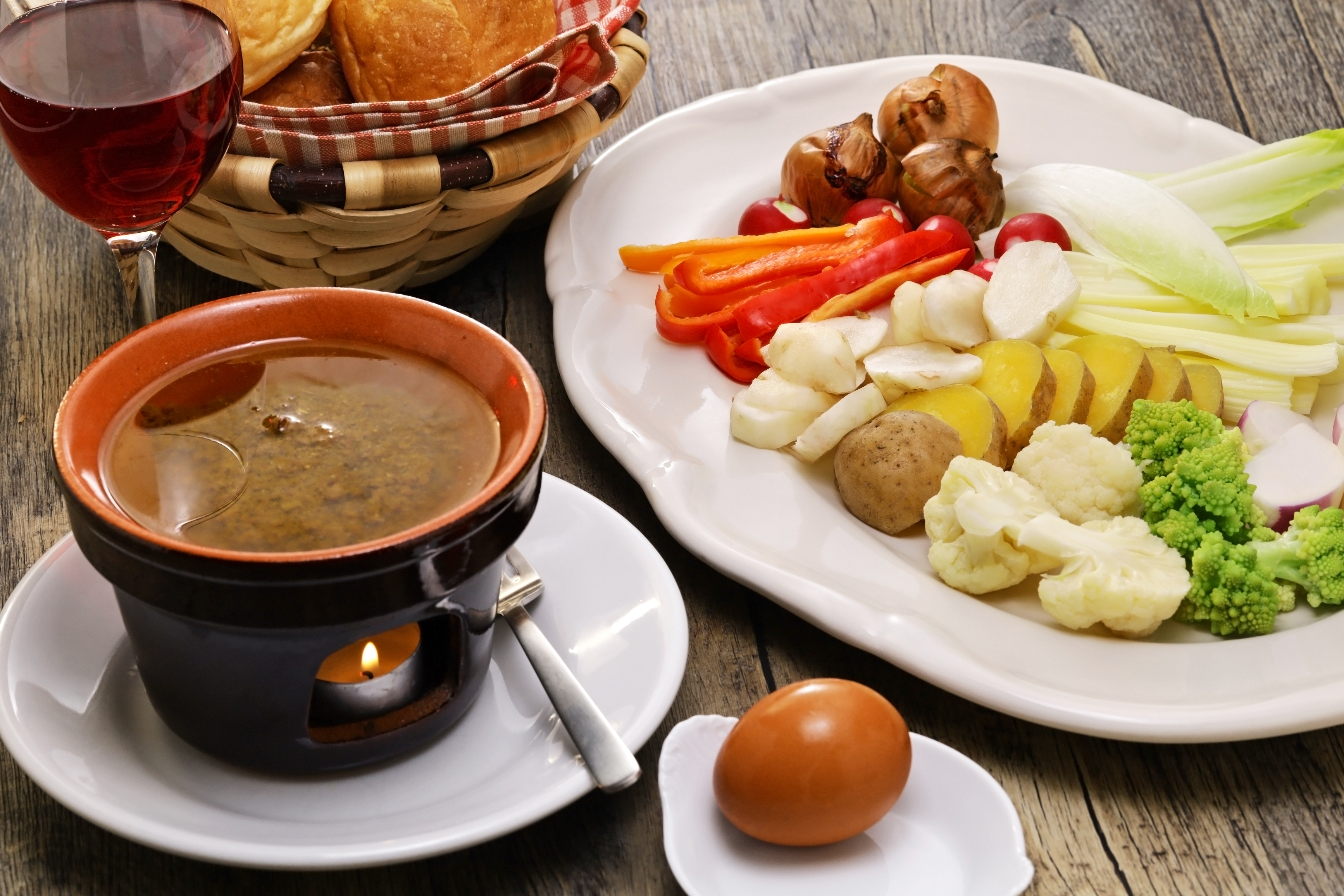
Bagna Cauda
A hallmark of Turin’s culinary tradition is bagna cauda, a warm, savory dip made from anchovies, garlic, and olive oil. This unique dish is often served with an array of raw and cooked vegetables, perfect for dipping into the flavorful sauce. Bagna cauda is traditionally enjoyed during the colder months, and its communal nature makes it a staple of family gatherings and festive meals. It’s a dish that epitomizes the richness and warmth of Piedmont cuisine.
👉 For a truly authentic experience, try the bagna cauda at Le Tre Galline🔗, a historic Turin restaurant known for its commitment to classic Piedmontese cuisine.
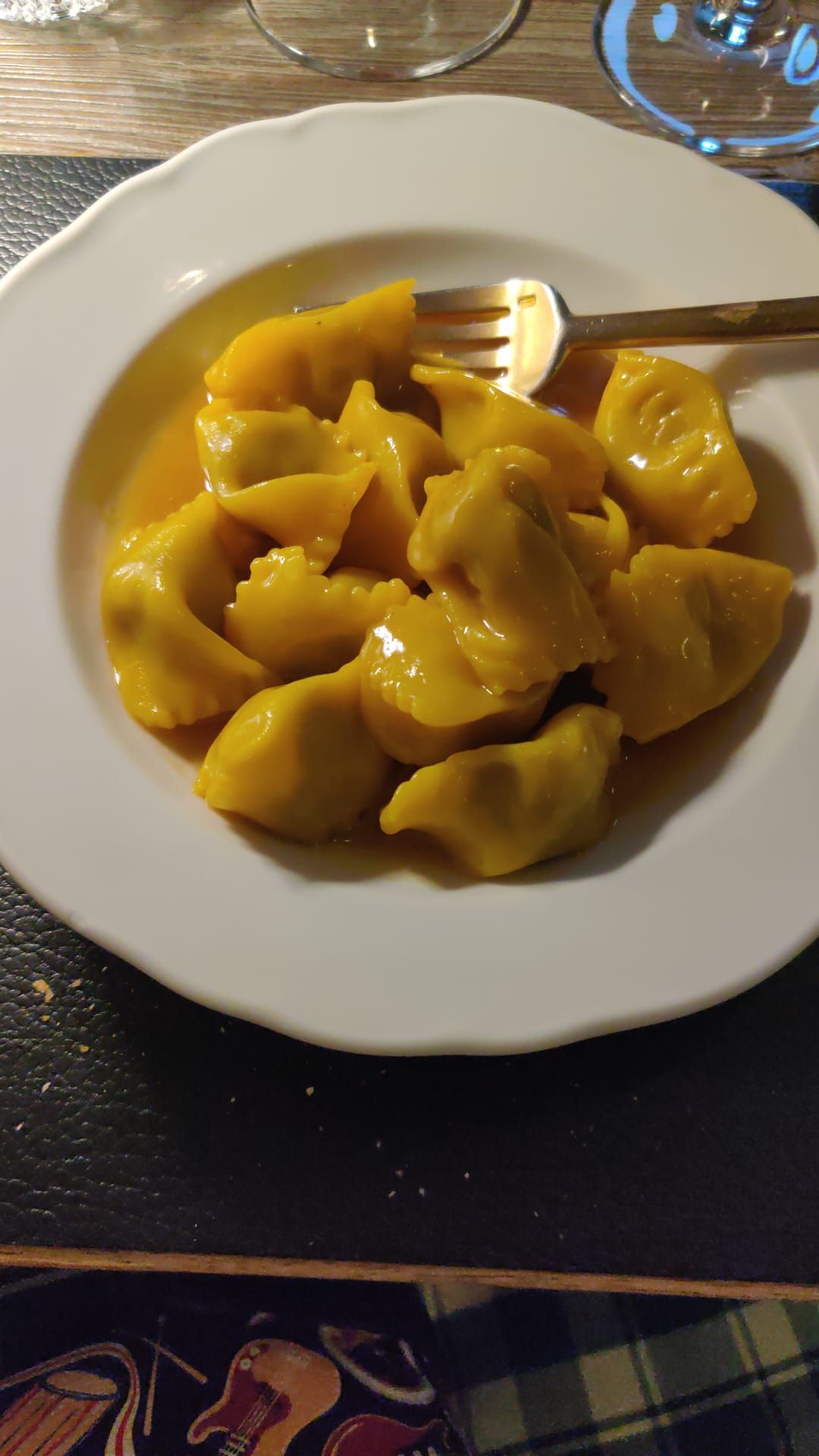
Agnolotti del Plin
A quintessential pasta dish from Piedmont, agnolotti del plin are small, delicate pockets of pasta filled with roasted meat, often accompanied by a rich meat or butter sauce. "Plin" means "pinch" in Piedmontese, referring to the way the pasta is sealed by pinching the dough. This traditional dish is a must-try when visiting Turin, and each bite is packed with robust flavors that pay homage to the region’s culinary expertise.
👉 I tasted some of the very best agnolotti at Madama Piola🔗—you absolutely have to try them here.
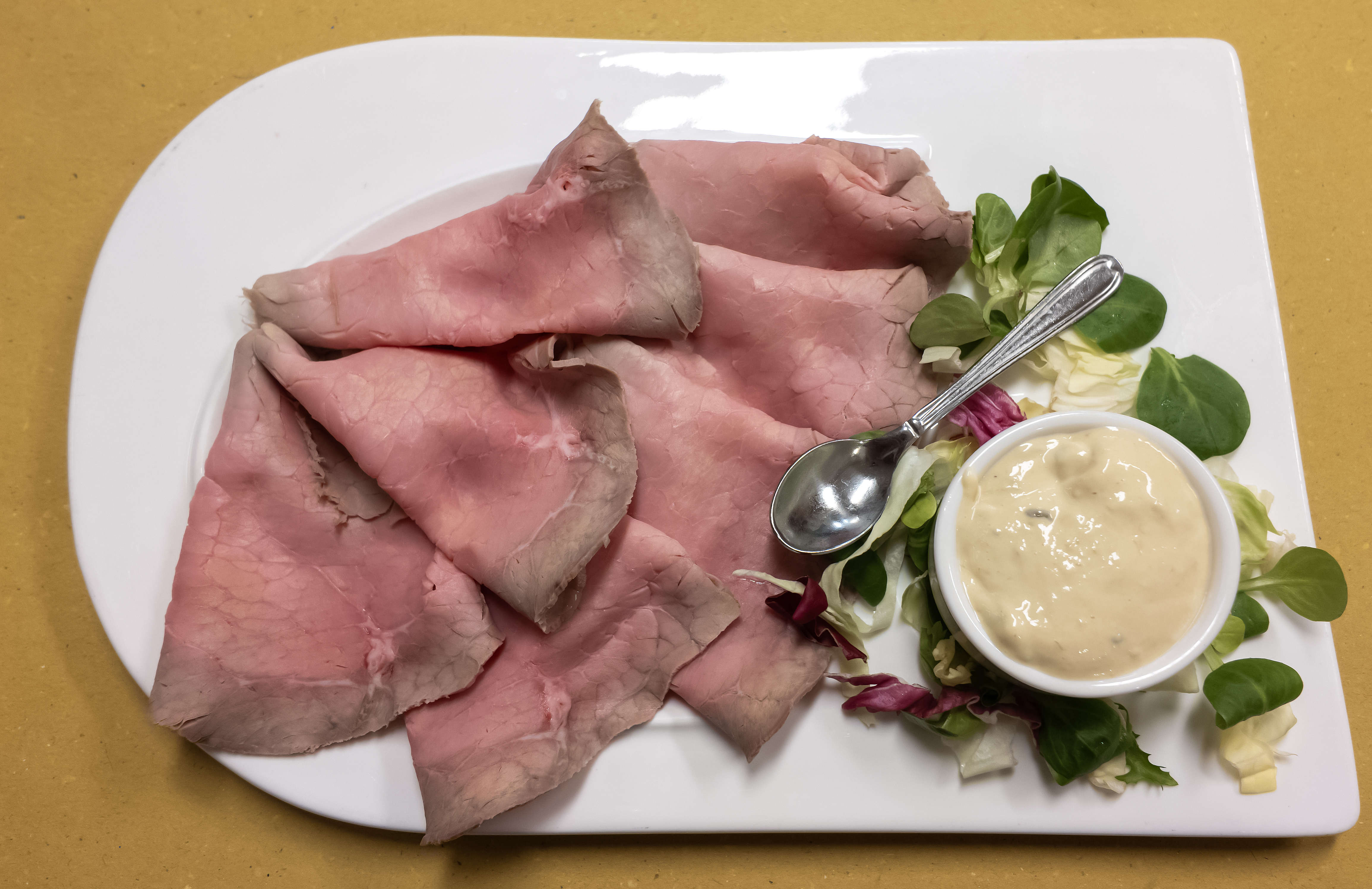
Vitello Tonnato
One of the most beloved dishes in Turin is vitello tonnato, a cold veal dish served with a creamy, tangy tuna sauce. The combination of tender, thinly sliced veal with the unique tuna-based sauce creates a delightful contrast of flavors. This dish is often enjoyed as an appetizer or as part of a traditional Piedmontese meal, and it's a prime example of the region’s ability to harmonize seemingly unlikely ingredients into something exceptional.
Insalata Russa
A beloved staple of the Piedmontese antipasto tradition, insalata russa is a creamy, old-school salad made with diced boiled vegetables — typically potatoes, carrots, and peas — bound together with generous amounts of mayonnaise. Despite its name ("Russian salad"), it's deeply embedded in northern Italian food culture and a fixture on virtually every piola table in Turin. Don't let its humble appearance fool you: a well-made insalata russa is comfort food at its finest, and the perfect way to start a traditional Piedmontese meal.
Gianduiotti
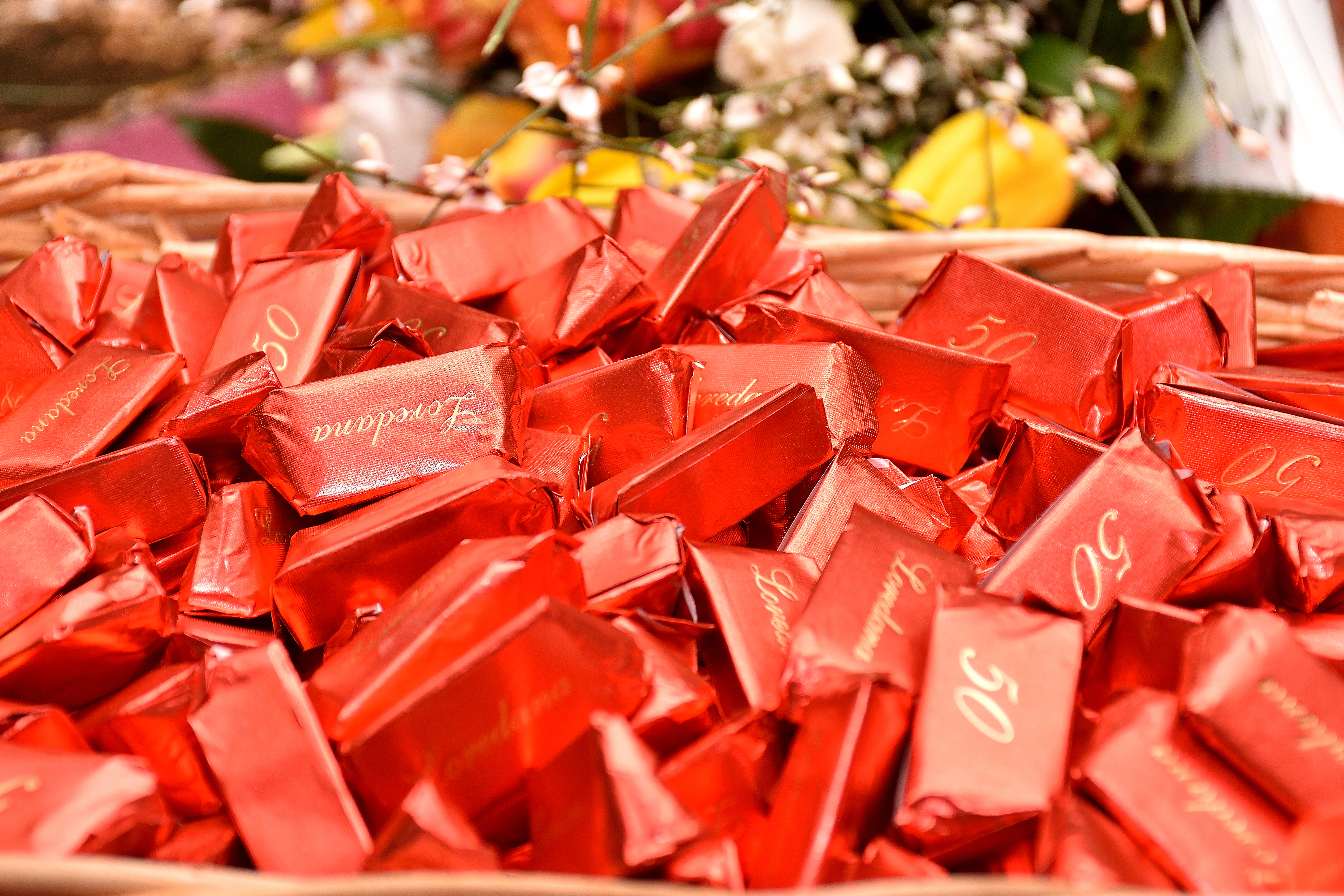
For those with a sweet tooth, gianduiotti is a must-try. Turin is the birthplace of gianduja, a mixture of chocolate and hazelnuts that was invented during the Napoleonic era when cocoa was scarce. Gianduiotti are small, individually wrapped chocolates made from this smooth and creamy mixture. They are a true representation of Turin’s dedication to fine chocolate-making and are often enjoyed with an afternoon coffee or as a sweet souvenir from the city.
👉 If you're looking to experience Turin's chocolate scene, there's a wide variety of unique and delicious chocolate experiences🔗 to try and savor
Bicerin
Turin’s signature drink, bicerin, is a layered beverage made from espresso, hot chocolate, and whipped cream. This decadent drink was invented in the 18th century and is still served in the city’s historic cafés. Turin has a rich and deeply ingrained caffè culture, with old-fashioned cafés that have preserved their charm and elegance for centuries. These establishments are not just places to grab a quick coffee; they are cultural institutions where people gather to socialize, read, and enjoy life at a slower pace. It’s perfect for sipping on a chilly day while taking in the elegant surroundings of one of Turin’s beautiful squares.
👉 Be sure to visit the famous Caffè Al Bicerin🔗, where the drink was first created, for an authentic experience, and explore the city’s other historic caffès (listed at the end of the article), which have retained their classic ambiance and offer a taste of Turin’s café tradition found nowhere else.
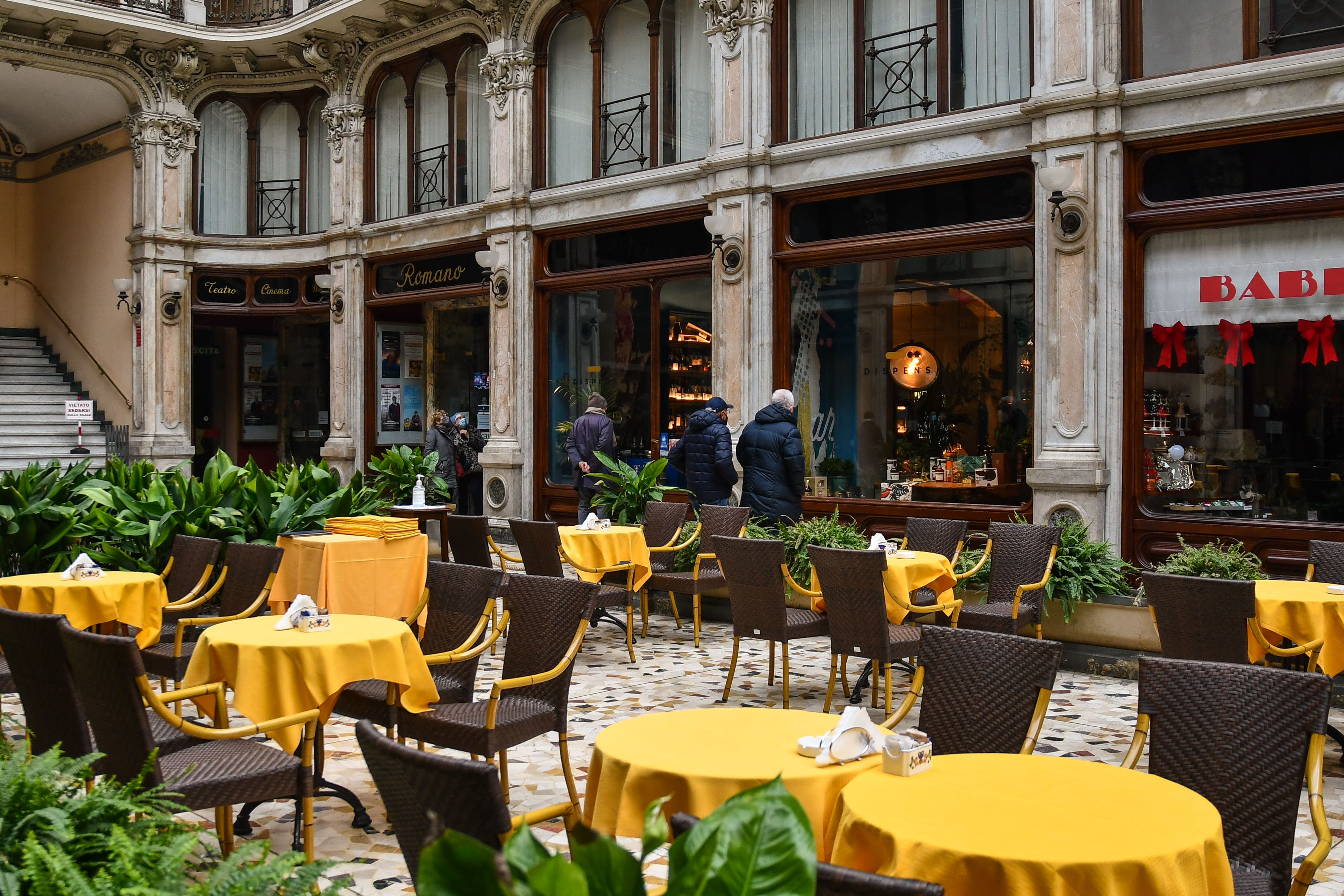
👉 For a deeper dive into Turin's café culture, the bicerin, and where to find the best coffee in the city, head to my complete guide: A Local's Guide: Best Coffee in Turin Italy🔗
Brasato al Barolo
For a taste of Piedmont’s exceptional wine, try brasato al Barolo, a slow-cooked beef dish braised in Barolo wine. This hearty, flavorful dish showcases the region’s renowned wines and highlights the depth of flavor that comes from slow cooking meat in this prestigious red wine. The result is a tender, succulent dish that pairs perfectly with a glass of Barolo, making it a must for any food lover visiting Turin.
Guancia di Manzo Brasata
Braised beef cheek has become a fixture on almost every piola and traditional restaurant menu in Turin — and once you try it, you'll understand why. The guancia (cheek) is a working muscle, which means it's packed with collagen and flavour; slow-braised for hours, it becomes meltingly tender, rich, and deeply satisfying. It's usually served with polenta, mashed potato, or simply with bread to mop up the sauce. Humble in origin, extraordinary on the plate — and one of those dishes that perfectly captures what Piedmontese cooking is all about.
Bonèt
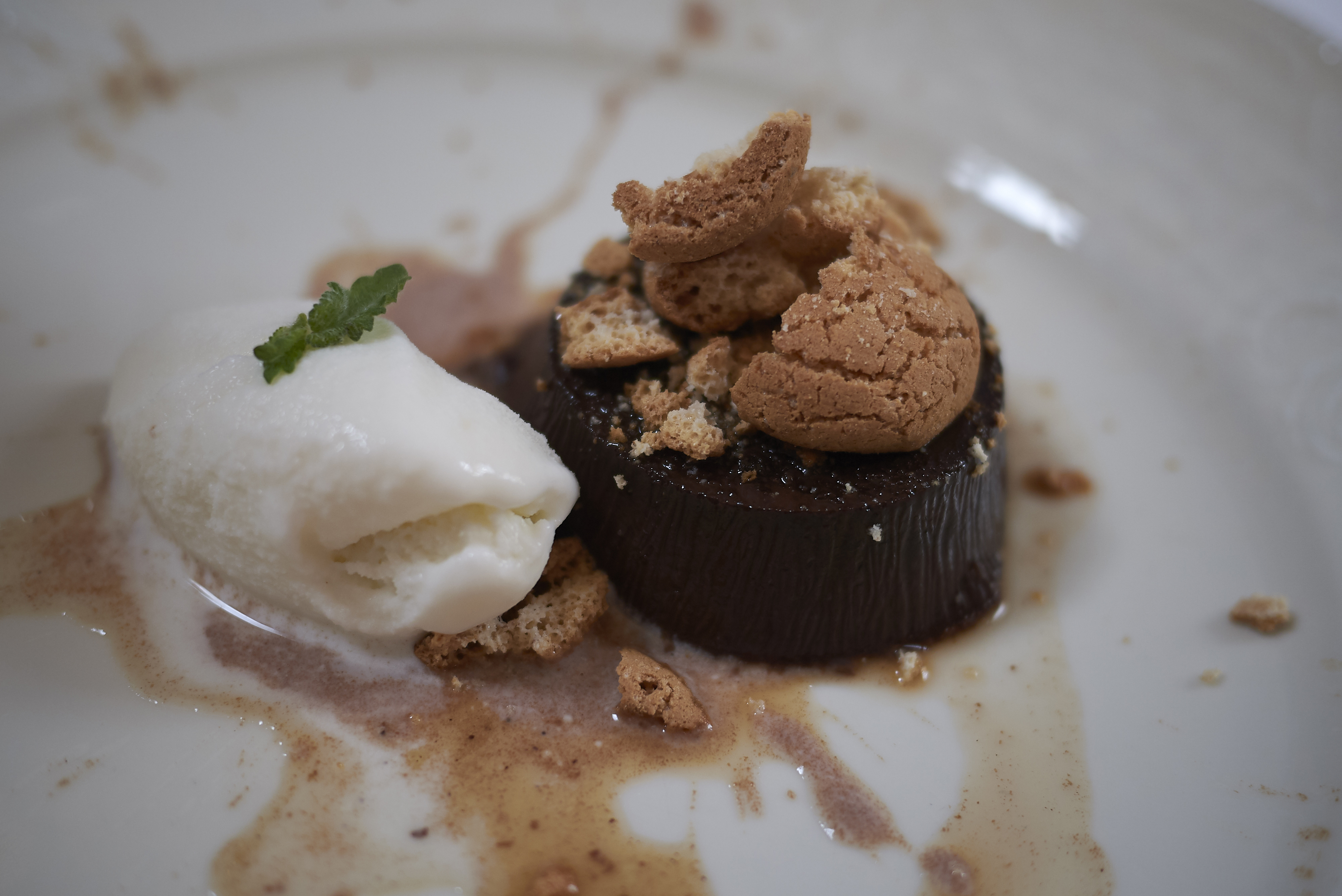
When it comes to dessert, bonèt is a traditional Piedmontese treat that you won’t want to miss. This rich, chocolatey pudding is made with eggs, cocoa, sugar, and amaretti cookies, creating a velvety texture with a subtle almond flavor. Often served with a drizzle of caramel, bonèt is the perfect way to end a meal in Turin.
Wine
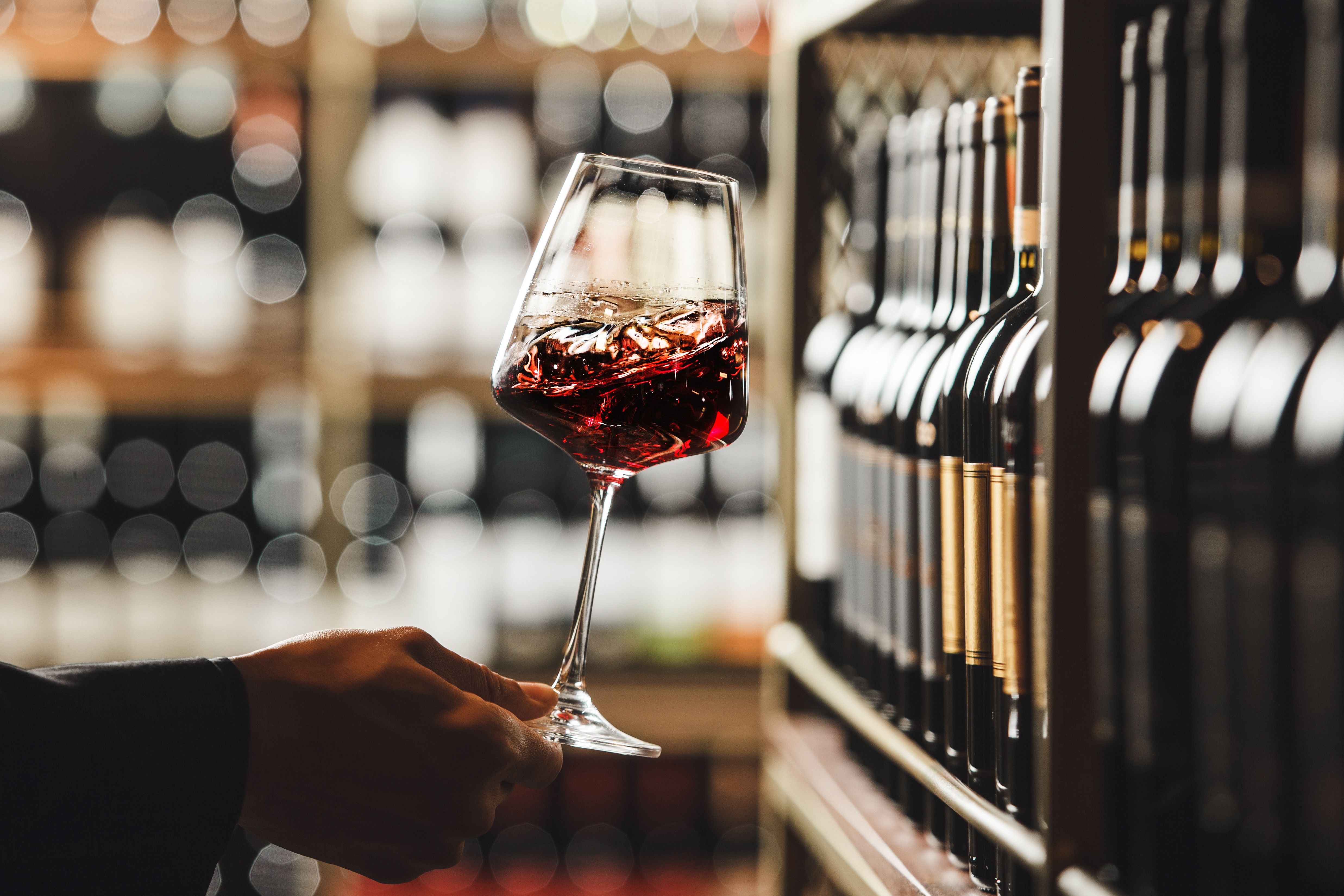
Turin is surrounded by some of Italy's most renowned wine-producing areas, making it an excellent destination for wine lovers. Piedmont is famous for its rich wine heritage, with its vineyards producing some of the country's finest wines. The region is home to iconic varieties such as Barolo, often referred to as the "king of wines," and Barbaresco, both made from the Nebbiolo grape. These wines are celebrated for their complexity, depth, and aging potential, making them a must-try for any wine enthusiast. In addition to these prestigious reds, Piedmont is also known for its Barbera, Dolcetto, and Moscato d'Asti, a sweet, sparkling wine that pairs perfectly with desserts. In Turin, you’ll find numerous wine bars, enotecas, and restaurants offering tastings and pairings, allowing visitors to sample the best of Piedmont's wines.
👉 Whether you’re exploring the local wine scene through a guided tour🔗 or enjoying a glass of wine with a traditional Piedmontese meal, Turin offers a truly authentic wine experience that reflects the region’s deep connection to its winemaking tradition.
Vermouth
No culinary journey through Turin would be complete without mentioning its legendary contribution to the world of aperitifs: vermouth. Invented in Turin in the late 18th century, this aromatic fortified wine became a staple of Italian aperitivo culture. One of the most iconic names associated with vermouth is Martini & Rossi, founded right here in the city in 1863. Today, you can visit the Casa Martini museum just outside Turin, where you’ll discover the history behind this world-famous brand and even take part in vermouth tastings or mixology classes. Whether sipped neat or used in classic cocktails like the Negroni, vermouth remains an essential flavor of Turin’s rich culinary and cultural identity.
👉 Below some experiences to discover vermouth and Martini:
- Martini Ultimate Experience - Martini tasting with food pairing🔗
- Vermouth Multi-sensory Tasting in Turin🔗
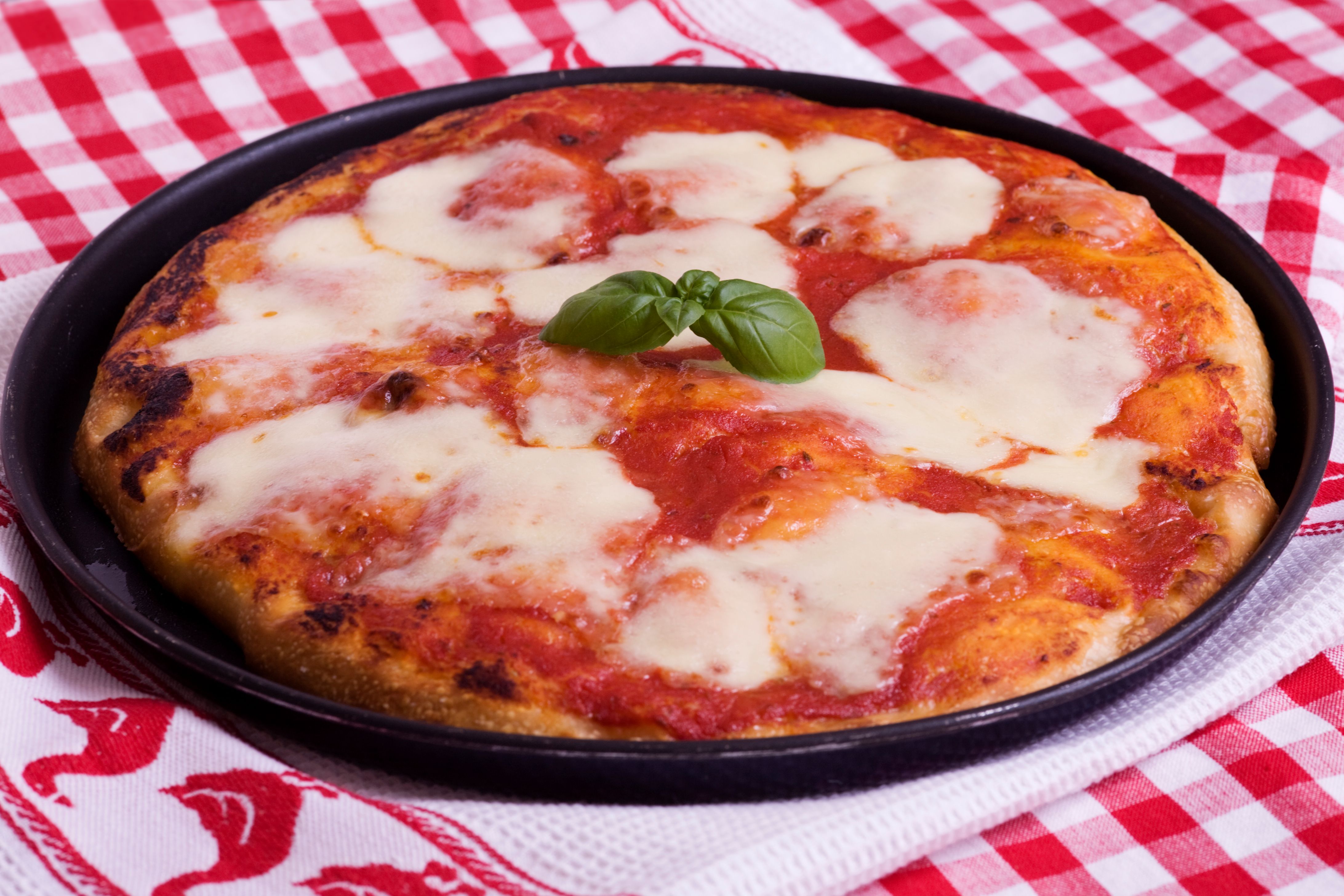
Pizza al Padellino
Pizza padellino is one of Turin’s most underrated culinary treasures—little known outside the city, yet deeply rooted in its local food culture. Baked in a small round pan, this pizza has a soft, airy interior with a slightly crispy edge, and comes loaded with simple, comforting toppings that highlight Turin’s traditional flavors.
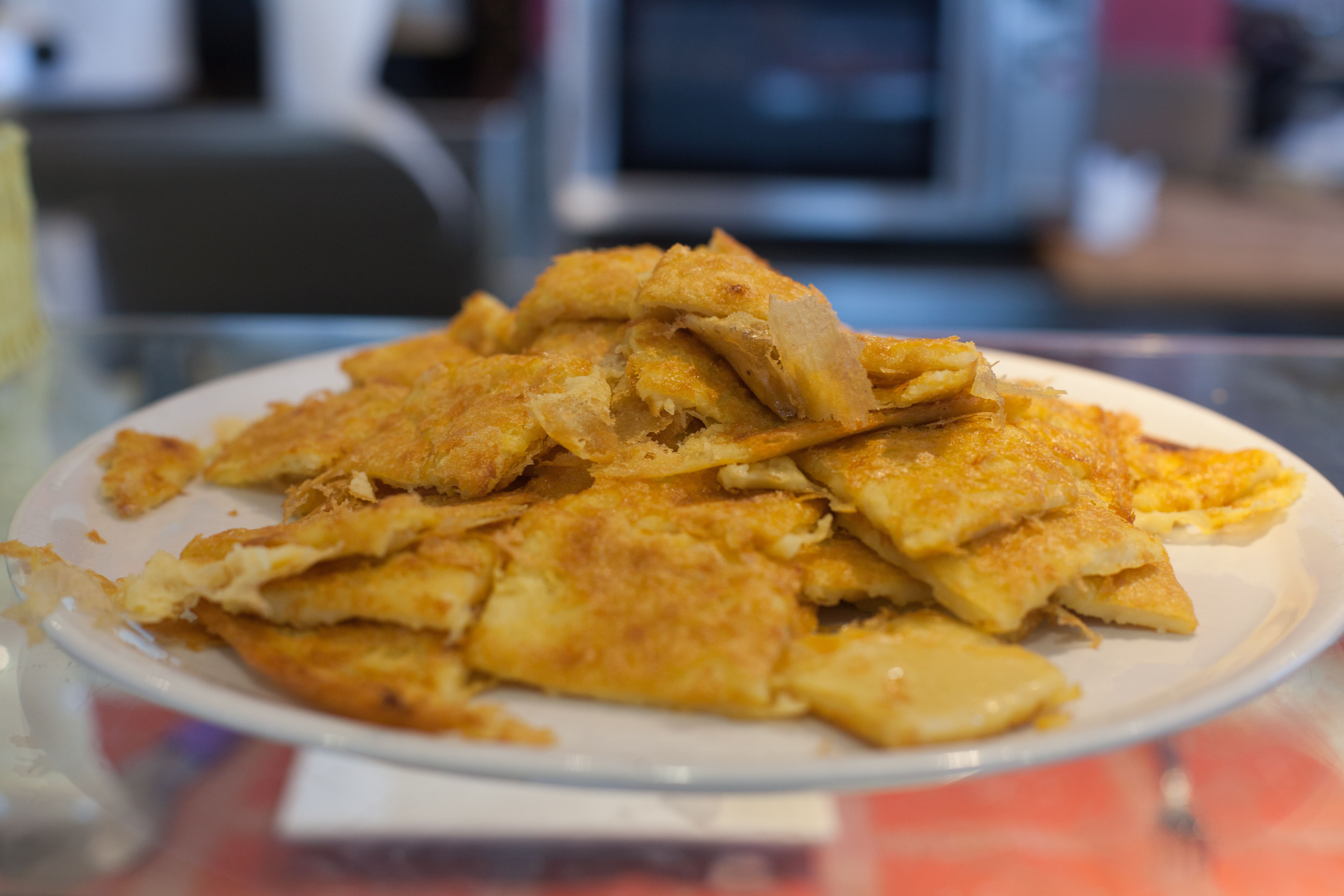
✨ While exploring the city’s food scene, don’t miss another local staple: farinata, a delicious chickpea-flour flatbread that’s incredibly common in Turin. I highly recommend ordering a slice of farinata first, and then following it with a pizza padellino for the perfect Torinese combo.
👉 Want to know where to find the best pizza al padellino in Turin — and how it compares to the city's classic pizza scene? Head to my dedicated guide: A Local's Guide: Pizza al Padellino and Where to Eat Pizza in Turin 🔗
Bollito
Bollito is one of Turin’s most traditional comfort dishes: a rich, slow-cooked assortment of tender meats simmered with vegetables and aromatics, traditionally served with vibrant sauces like salsa verde or mostarda. It’s hearty, elegant in its simplicity, and a true expression of Piedmontese heritage. Yet today, finding an authentic bollito misto is not so common—modern Turin cuisine has become more elevated and creative, so you’ll often encounter a revisited or gourmet version rather than the rustic original. Still, when you do find it, it’s a delicious taste of the city’s history and a must-try for anyone exploring Turin’s culinary soul.
⚠️Just be warned: bollito is not for the faint of heart—it often includes some “odd” cuts of meat that might surprise unprepared diners!
👉 A perfect example is the one served at Madama Piola🔗: not the strict traditional recipe, but a more likeable, crowd-friendly take that still honours the spirit of the dish.
Fritto misto alla piemontese
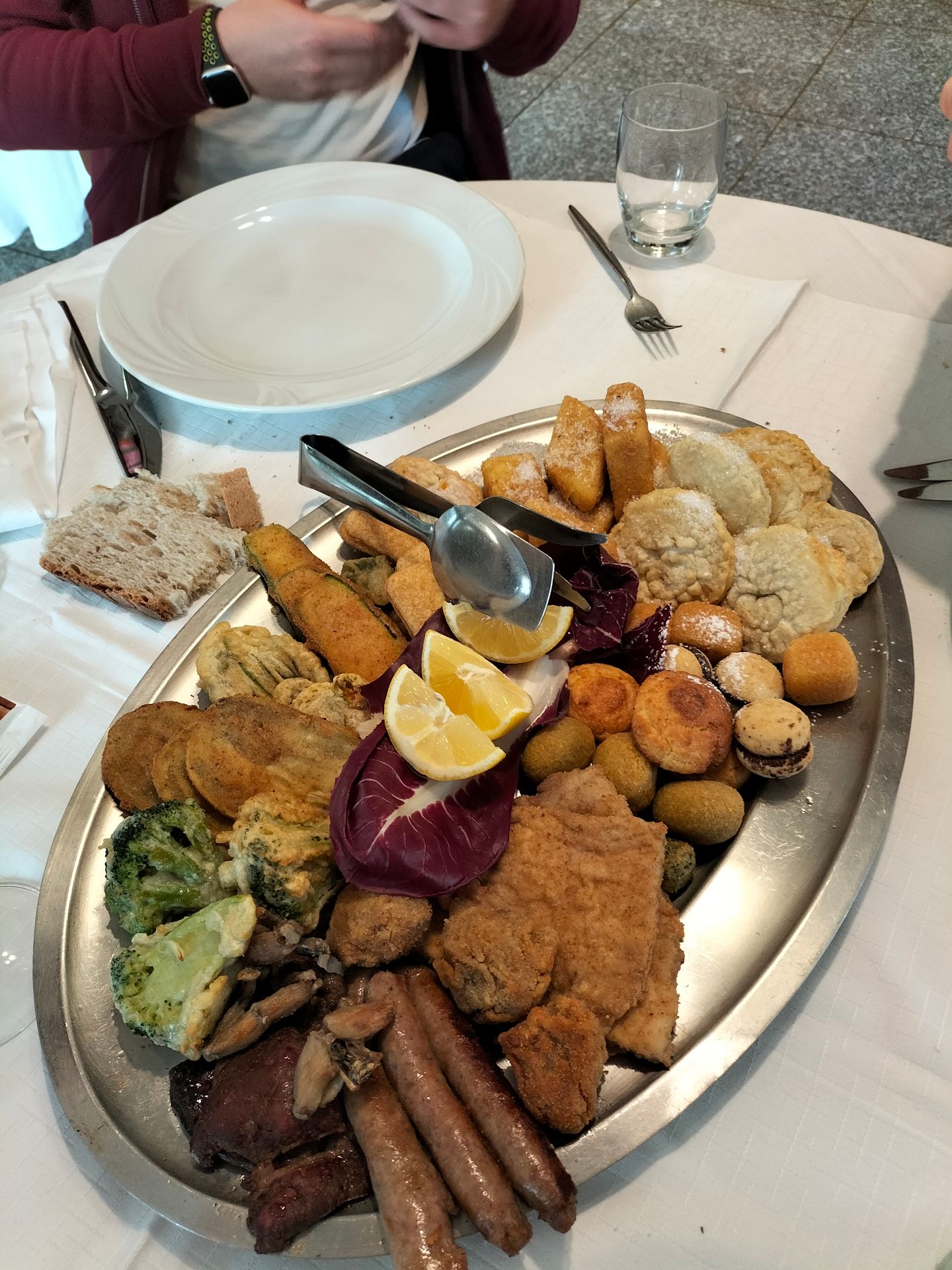
Fritto misto alla piemontese is one of Piedmont’s most intriguing and historic dishes—a generous platter of both sweet and savory bites, all lightly fried to golden perfection. Traditionally, it includes an eclectic mix: pieces of veal, sausage, seasonal vegetables, amaretti, semolino “milk squares,” and even fruit, creating a surprising yet harmonious combination of flavors. It’s a celebration dish, rich and playful, offering a true taste of the region’s culinary creativity.
✨ While it used to be a staple at family feasts, today it’s becoming less common, especially in Turin, and you’ll often find the most authentic versions in the surrounding countryside or smaller towns. When you do come across it, it’s an unforgettable experience that showcases Piedmont’s bold and unique gastronomic identity.
Finanziera
Finanziera is one of the most distinctive and historic dishes of Piedmontese cuisine—a bold, old-world recipe traditionally made with a mix of offal and “noble” cuts, sautéed with vegetables and finished with Marsala or another sweet wine. Born as a dish for Turin’s financial class in the 18th century, it was once a symbol of sophistication, showcasing the region’s no-waste approach and deep culinary roots.
✨ Today, it’s much harder to find, especially in Turin, as its strong flavors and unconventional ingredients aren’t for everyone. But for adventurous food lovers, finanziera offers a fascinating, authentic glimpse into the city’s gastronomic past.
👉 You can order it at Le Tre Galline🔗
Carne cruda di Fassona
Carne cruda di Fassona is a beloved Piedmontese specialty—a delicate, finely hand-chopped raw beef dish made from Fassona, a prized local cattle breed known for its exceptional tenderness and subtle flavor. Unlike other tartares, it’s seasoned lightly with high-quality olive oil, a touch of lemon, salt, and sometimes a hint of garlic, letting the meat’s natural sweetness and silky texture take center stage.
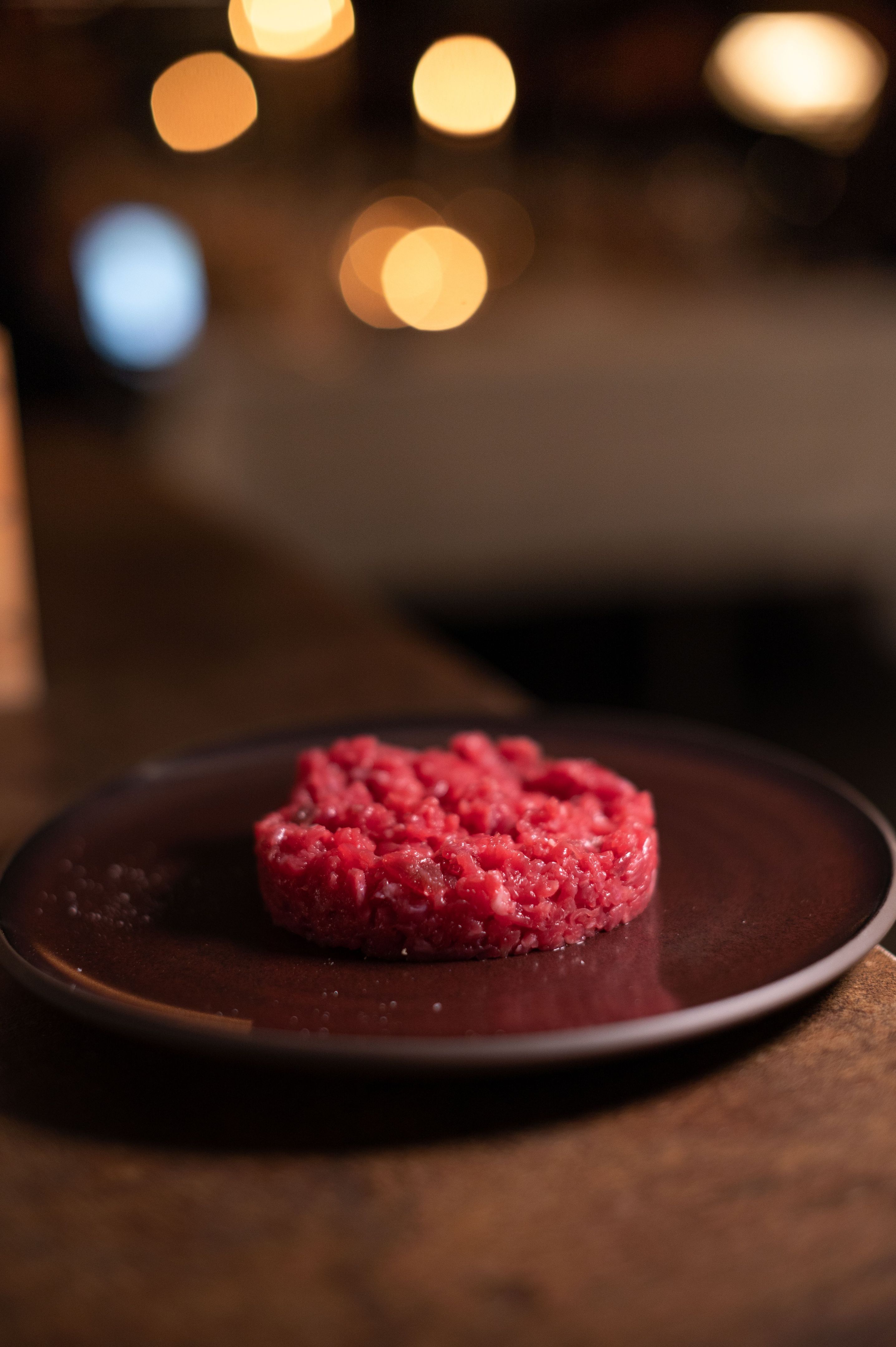
✨ I know that raw meat might sound a bit unusual if you’re coming from a culture where it’s not commonly eaten, but Italian cuisine goes far beyond the classic pasta-and-pizza stereotype. Carne cruda di Fassona is a perfect example of how refined and regional our food can be. So if you’re exploring Turin’s culinary scene, be a little adventurous and give it a chance—you might end up loving it!
Gnocchi
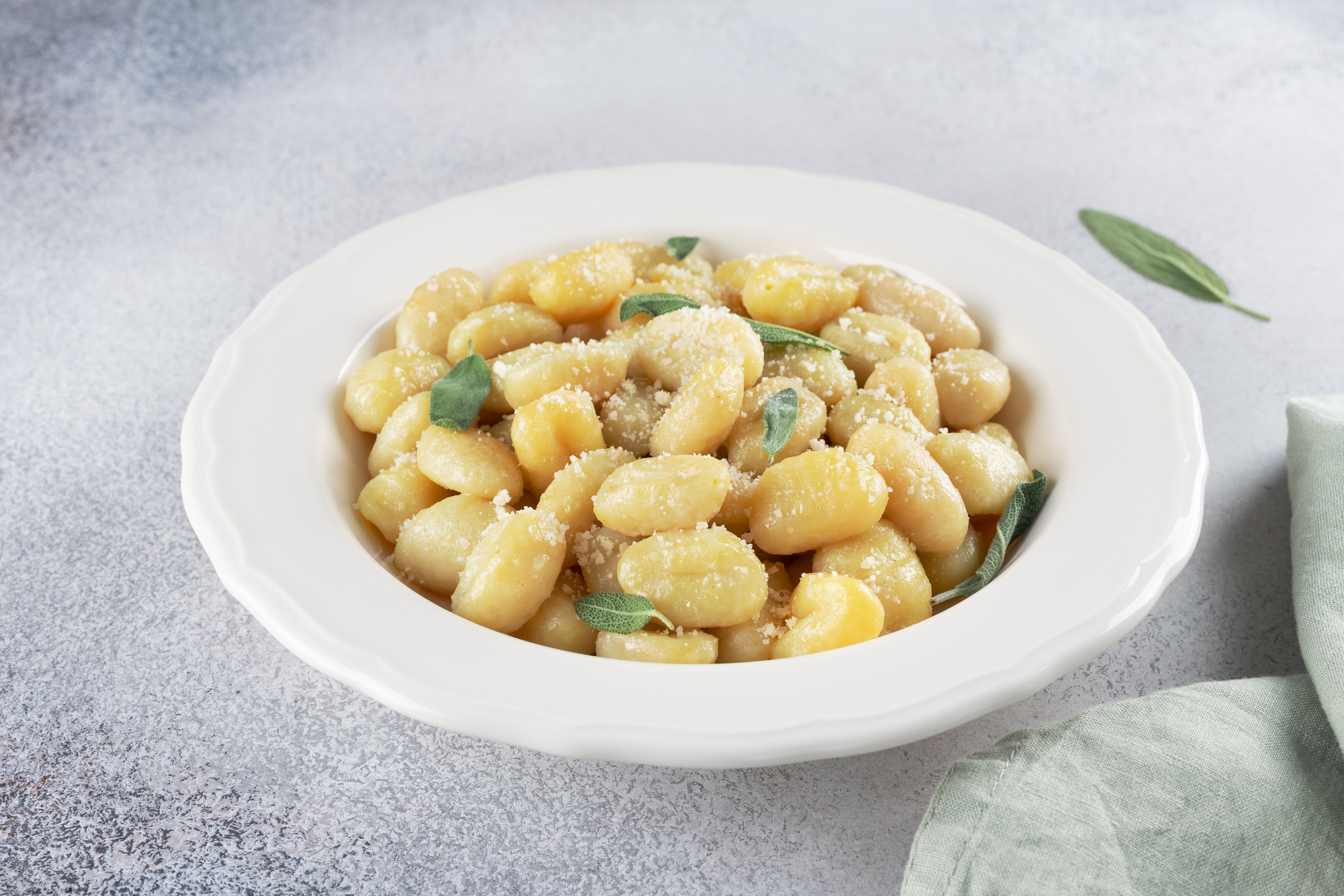
Gnocchi are one of the most comforting and loved dishes in Italian cuisine—soft, pillowy dumplings traditionally made from potatoes, flour, and sometimes egg. In Turin and the wider Piedmont region, they’re often served with rich, velvety sauces like butter and sage, Castelmagno cheese, or hearty ragù, turning a simple recipe into a deeply satisfying meal. Their texture is light yet indulgent, perfect for those cozy northern Italian vibes.
Giardiniera
Giardiniera is a vibrant Italian pickle mix that brings color, crunch, and brightness to any meal. Made from a medley of vegetables—typically carrots, cauliflower, celery, and peppers—gently pickled in vinegar, it’s a staple in Piedmontese cuisine and a perfect accompaniment to many of Turin’s richer dishes. Its tangy, refreshing flavor cuts beautifully through hearty meats like bollito or finanziera, adding balance and contrast. Though simple, giardiniera embodies the region’s love for preserving seasonal produce and enhancing everyday meals with bold, lively flavors.
Restaurant Recommendations in Turin
Below are some excellent restaurants to try in Turin. The "€" reflects the price range.
- Piola da Cianci🔗 €: I had to include Piolada Cianci, as it's now an iconic spot offering traditional Piedmontese food at affordable prices. You can't make reservations, so expect to wait in line. While it’s become a bit crowded and lost some of its hidden-gem charm, I still recommend it for the authentic experience.
- Piattini Caffe Vini🔗 €: A small, charming, low-key restaurant that I highly recommend. It’s still relatively unknown, making it a great spot for an intimate meal.
- Poormanger🔗 € and Poormanger 2🔗 €: If you're looking for a quick, affordable lunch, this is the place to go. They specialize in serving only stuffed potatoes, perfect for a tasty and filling meal.
- PoDiCiotto🔗 €: This place is a bit outside the city center, but if you're looking to dine outdoors on a sunny day, it's a great, affordable option. You can enjoy your meal by the river, surrounded by nature—an oasis within the city.
- Master Sandwich🔗 €: A great place for a quick bite in the heart of the city! The panini are tasty and prepared with high-quality, fresh ingredients.
- Pescheria Gallina🔗 €€: An informal spot to enjoy some fish dishes at affordable prices. No reservations are allowed, so be prepared to drop by and wait for a table.
- La Taverna Dei Mercanti🔗 €€: A great spot to gather with friends, this restaurant offers traditional Piedmontese dishes in a relaxed, low-key setting. The casual atmosphere makes it perfect for a laid-back meal while enjoying authentic local flavors.
- Da Frasca🔗 €€: As mentioned above, you'll find a low-key restaurant where you can enjoy traditional Piedmontese cuisine in a relaxed, unpretentious atmosphere. It's an ideal spot for those seeking authentic flavors in a casual setting.
- Trattoria Ala🔗 €€: Another informal restaurant where you can savor traditional cuisine, this spot offers a cozy atmosphere and a menu filled with authentic local dishes.
- La Piola di Alfredo🔗 €€: Here’s another laid-back restaurant where you can indulge in traditional dishes. With its welcoming vibe and a menu showcasing authentic local flavors, it's an ideal place for a casual meal with friends or family.
- L'Acino🔗 €€€: Here you'll find traditional Piedmontese cuisine with a more refined touch, perfect for a nice dinner out.
- Gaudenzio Vino e Cucina🔗 €€€: In this restaurant, you'll discover excellent, elevated dishes that take traditional cuisine to the next level.
- Baleno Idea di Mare🔗 €€€: If you're looking to try elevated Italian fish dishes and experience something a bit different, this is an excellent place to do so.
- Madama Piola🔗 €€€: In this restaurant, you can savor elevated Piedmontese cuisine. Be sure to try the ravioli del plin—they're a must!
- Scannabue🔗 €€€: As above, this restaurant offers traditional cuisine with a twist, elevating classic Piedmontese dishes to a new level.
Historic cafés
- Caffè Confetteria Al Bicerin🔗: Opened in 1793, its specialty is the famous bicerin, a typical hot drink from Turin made with coffee, chocolate, and cream, for which the establishment holds the original recipe.
- Caffè Gelateria Fiorio🔗: Founded in 1780, Fiorio is another historic café situated in the heart of Turin, beneath the porticoes of via Po. For many years, it served as a meeting place for the Savoy nobility, earning the nickname the café of the 'codini' and 'Machiavelli' due to the distinctive attire and lively discussions held there. Its standout specialty is undoubtedly the ice cream, particularly the gianduia flavor.
- Caffè San Carlo🔗: One of the meeting places for intellectuals during the Risorgimento, the historic café San Carlo, located near the square of the same name, is renowned especially for its fine coffee blends. The atmosphere is lavish, decorated with stuccos, statues, and precious marbles.
- Caffè confetteria Baratti & Milano🔗: Located between the Galleria Subalpina and Piazza Castello, the confectionery café Baratti & Milano in Turin has been open since 1875. The Art Nouveau interior was designed by architect Casanova. Here, you can savor a wide variety of delicacies, including some of the best hot chocolate in Turin.
- Caffè Mulassano🔗: Located near Piazza Castello, Caffè Mulassano in Turin, which opened in 1907, was a regular gathering place for the local nobility as well as the artists from the nearby Teatro Regio. Amidst the stunning mirrors, marble tables, and various decorations, you can enjoy a tramezzino, the café's specialty. A tramezzino is a type of Italian sandwich made with soft white bread, typically filled with various ingredients such as meats, cheeses, and vegetables—it's a dish that originated here.
- Caffè Platti🔗: This historic café still features an 19th-century ambiance and offers many Turin specialties, including the famous paste di meliga and, of course, gianduiotti.
In this section I would include Farmacia Del Cambio🔗, for a more upscale breakfast, as it shares ownership with Ristorante Al Cambio, a Michelin-starred restaurant.
Pizza
- A casa di Pulcinella🔗
- Gennaro Esposito🔗
- Da Ciro🔗
- Pizzeria Cammafà🔗
- Ruràl🔗
- L' Antica pizzeria da Michele🔗
Exploring Turin’s local cuisine is not just about tasting incredible food—it’s a journey through the city’s history, culture, and traditions. Buon appetito!
Related Articles