Val d'Orcia Tuscany: The Ultimate Travel Guide


There are places in Italy that look too beautiful to be real — and Val d'Orcia is one of them. Rolling golden hills, cypress-lined roads, medieval villages perched on hilltops, and vineyards producing some of the finest wines in the world. This UNESCO World Heritage region in southern Tuscany captures the very essence of what people imagine when they think of Italy — and somehow, it still manages to exceed expectations. It's a place for slow driving, long lunches, and getting completely, happily lost.
Heads up: this page may include affiliate links. By clicking and/or purchasing, I may receive a small commission at no extra cost for you. I only recommend tools I have personally vetted.
Practical Information
Location
Val d'Orcia is located in southern Tuscany, stretching between the provinces of Siena and Grosseto. This region is famous worldwide for its iconic landscapes — gentle hills, medieval villages, and winding roads lined with cypress trees. Every corner looks like a painting.
Transportation & Exploration
✈️ By Plane: The closest airports are Florence Airport (FLR) and Pisa International Airport (PSA), both well connected to major European cities. From either airport, continue by car — essential for exploring the area properly.
👉 You can book your plane ticket here🔗
🚗 By Car: The best — and honestly only — way to explore Val d'Orcia properly. Public transport is very limited, and many of the most beautiful spots are in the open countryside. Driving here is a genuine pleasure: quiet roads, breathtaking views, and the freedom to stop whenever you want. Roads are generally in good condition but can be narrow and winding — drive slowly and enjoy the journey.
👉 You can book your car on Booking🔗
⚠️ Parking can be tricky, here’s what you need to know:
- White stripes: Free parking, but check for time limits—these are always indicated on nearby signs.
- Blue stripes: Paid parking. Display your ticket clearly on the windshield, and watch for any time restrictions.
- Yellow stripes: Reserved for people with disabilities, police, or other special uses—avoid parking here.
- Blue + yellow stripes: Reserved for residents. Unless you have a special permit from your hotel, you cannot park here. In many coastal towns, these spaces—and sometimes even other areas—are often reserved exclusively for residents, so be especially careful.
👉 Park your car outside the city centre
🚆 By Train & Bus: You can reach towns like Buonconvento or Chiusi by train, but from there you'll still need a car or local bus to explore the area properly.
⚠️ Public transport exists but is not reliable for sightseeing — a car makes all the difference here
🚶 On Foot: Villages like Pienza, Montalcino, and Montepulciano are compact and best explored on foot once you arrive. Expect cobblestone streets, scenic viewpoints, and hidden corners full of charm.
Weather
☀️ Summer (June–August): Warm and sunny, 25°C–35°C. Ideal for photography but very hot during midday — plan accordingly.
🍂 Autumn (September–November): One of the best times to visit. Harvest season, golden landscapes, and temperatures between 15°C and 28°C.
❄️ Winter (December–February): Quiet and atmospheric, 5°C–12°C. Occasional frost adds a magical touch to the landscape.
🌸 Spring (March–May): Lush green hills, blooming flowers, and mild temperatures. One of the most beautiful times to visit.
💡 I visited at Easter — the countryside was green, the light was perfect, and the crowds were manageable. Spring is genuinely magical here.
Accommodation
Val d'Orcia is famous for its agriturismi — farm stays immersed in nature, often with vineyards and olive groves right outside the window. That said, staying in the main tourist villages like Pienza can be expensive. Since you'll be exploring by car anyway, consider staying in a smaller village nearby — you'll pay less, get a more authentic experience, and still be minutes away from everything.
That's exactly what I did: I stayed in Montefollonico, just 10 minutes from Pienza, and it was the perfect base — quiet, charming, and completely off the tourist radar.
- Luxury: Poggio ai Gelsi 🅱️ Booking 🔗
- Mid-range: Agriturismo Il Macchione 🅱️ Booking 🔗 🆃 Trip 🔗🅴 Expedia 🔗
- Budget/My pick (Montefollonico): Apartment in the medieval village 🅱️ Booking 🔗
Food & restaurants
Tuscany has an extraordinary food culture — but Val d'Orcia is also a very touristy area, and the restaurant scene reflects that in places. My advice: always look beyond the main squares. The best meals I had were in smaller villages slightly off the main circuit, where prices are fairer and the cooking is more genuine. I'll flag my personal recommendations throughout.
One thing you absolutely must try is pici — a thick, hand-rolled pasta typical of southern Tuscany, similar to thick spaghetti. It's one of my all-time favourite pasta shapes, and you'll find it everywhere here. Order it with cacio e pepe or ragù di cinghiale (wild boar) and you'll understand why.
Pienza
⏱️Recommended time: half day to 1 full day
Pienza is often called the "ideal Renaissance town" — built as a model city in the 15th century, it's perfectly harmonious, deeply photogenic, and genuinely beautiful. It's also famous for its Pecorino di Pienza — some of the best sheep's milk cheese in Italy, available in every shop in town in various aged varieties. Buy some. Buy more than you think you need.
What to See
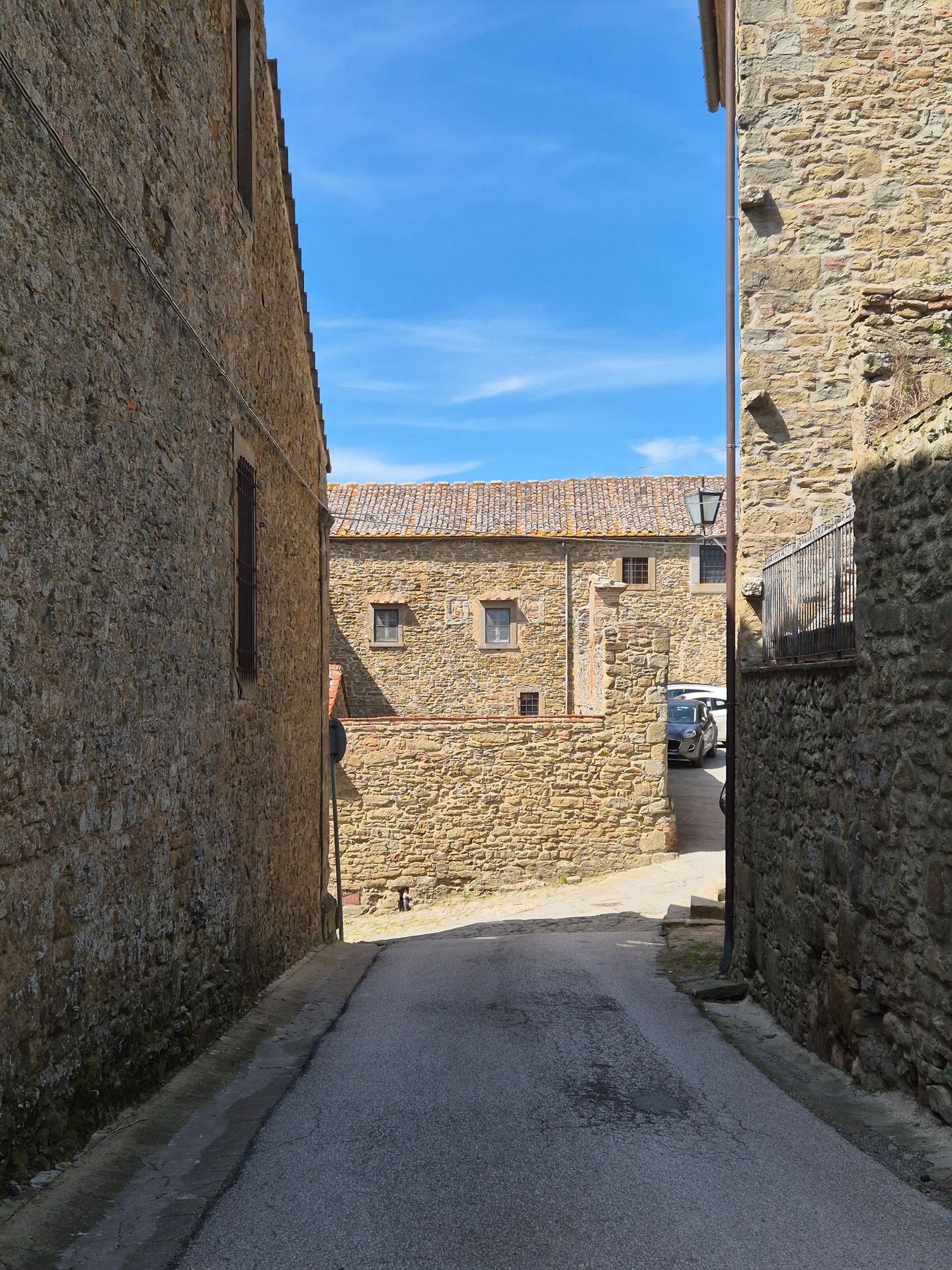
- Piazza Pio II 🔗— The heart of the town, surrounded by elegant Renaissance buildings. One of the most beautiful piazzas in Tuscany.
- Pienza Cathedral 🔗— A stunning example of Renaissance architecture, serene and worth a visit.
💸 Free to enter
🕐 8:30 – 13:00 and 14:30 – 19:00
- Pecorino Tasting — Pienza is the undisputed capital of Pecorino in Tuscany — and tasting it here, where it's made, is a completely different experience from buying it at home. Most shops in town offer tastings on the spot, so just walk in and ask — you'll find fresh, semi-aged, and fully aged varieties, often paired with local honey or jam. If you want a more structured experience, there are dedicated cheese tasting tours in the area that take you through the whole process.
👉 I suggest this tour🔗 at a dairy farm

🍽️ Where to Eat
Pienza can be touristy — but I found a gem. Sette Di Vino 🔗 is a relaxed, easy trattoria — nothing fancy, just honest Tuscan cooking done well. I had the pici cacio e pepe and pici al ragù di cinghiale, both excellent, followed by a tagliere of local Pecorino di Pienza. The perfect Tuscan dinner.
✨ My personal favourite stop is Bindi Enzo 🔗— a local shop where I bought some of the best Pecorino di Pienza I've ever tasted. Don't leave without picking up a few pieces to take home.
Montefollonico (10 minutes from Pienza)
A tiny village completely off the tourist radar — and that's exactly why it's worth going. Two spots to know:
- Ristorante 13 Gobbi 🔗 — Recommended to me by locals in the area. I didn't make it there this time, but when a local points you somewhere in Tuscany, you listen. On my list for next time.
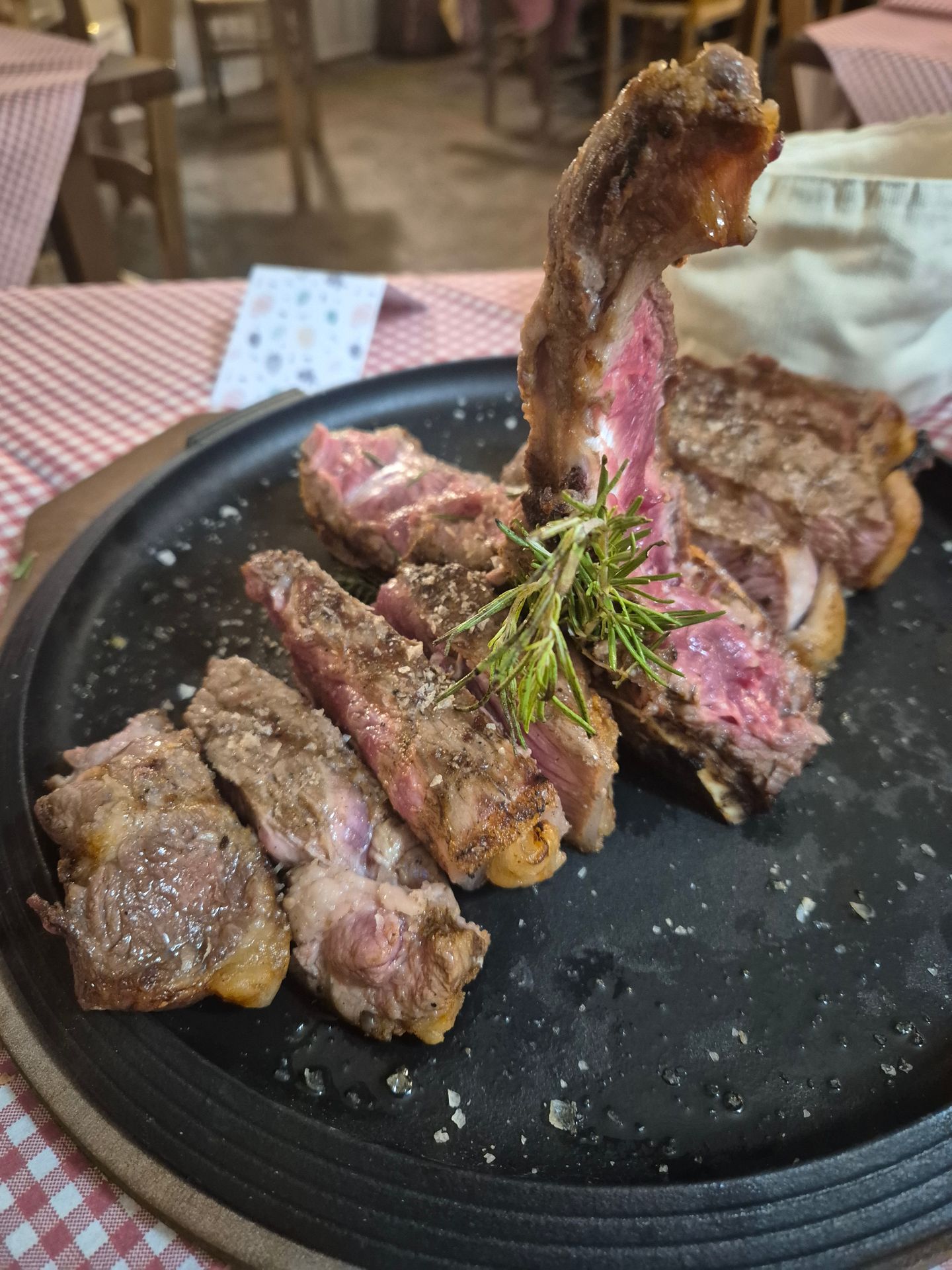
- Ristorante Pizzeria Il Botteghino 🔗 — This is where I had one of the best Fiorentina steaks of my life, at incredibly accessible prices — around €50 per kg, which is very fair for a cut of this quality.
💡 How to order a Fiorentina: The steak is displayed with a price per kg. You order, they bring the raw steak to your table and tell you the exact weight — so you know exactly what you're committing to before it hits the grill. The minimum cut is usually around 1.3 kg, so it's a dish for at least 2 people. Ours was 1.4 kg and we finished every last bite. For larger cuts, make sure you have enough people at the table. It's a ritual as much as a meal.
Montalcino
⏱️ Recommended time: half day
Montalcino is a hilltop town known worldwide for one thing: Brunello di Montalcino, one of Italy's most prestigious and celebrated red wines. Produced exclusively in the hills surrounding the town, Brunello is made from 100% Sangiovese grapes and aged for several years before release, giving it remarkable complexity, structure, and longevity. Expect rich aromas of cherry, dried herbs, leather, and spice — it's a wine that perfectly reflects the Tuscan landscape.
The town itself is small and charming, but the real draw is the wine — and the endless landscape of vineyards surrounding it. Even if you're not a wine expert, tasting Brunello here, directly where it's produced, is a special experience.
What to See & Do
- Fortezza di Montalcino 🔗— A medieval fortress with incredible views over the vineyards. Worth the climb.
- Wine Tasting — Montalcino is dotted with wine bars and enotece right in the historic centre where you can sit down and taste Brunello by the glass without booking a full winery tour. Just wander in, ask what they have open, and take your time. This is paradise for wine lovers — don't rush, enjoy the slow pace.
- Wine Tours — If you want a more structured experience, there are excellent guided wine tours that take you to the vineyards and cellars around Montalcino — a great way to go deeper into the Brunello world.
👉 Book your wine tour:
🍽️ I don't have a personal restaurant recommendation for Montalcino yet — but ask a local, they'll never disappoint.
San Quirico d'Orcia
⏱️ Recommended time: half day
San Quirico d'Orcia is a charming and often overlooked village right in the heart of Val d'Orcia — perfectly capturing the authentic Tuscan atmosphere without the crowds. It's the kind of place where you truly feel Tuscany.
What to See
- Horti Leonini 🔗 — A beautiful Italian Renaissance garden, ideal for a relaxing stroll. Free to enter and genuinely lovely.
- Collegiata dei Santi Quirico e Giulitta 🔗 — A stunning Romanesque church with intricate carved details on the facade.
- Historic Centre — Peaceful streets, no rush, no agenda. One of the most authentic villages in the area.

Montepulciano
⏱️ Recommended time: half day
Montepulciano is famous for its elegant Renaissance architecture and its renowned wine — Vino Nobile di Montepulciano, one of Tuscany's oldest and most respected wines. Despite the name, it's not made from Montepulciano grapes: it's primarily produced from Sangiovese grown in the hills around the town. Compared to Brunello, Vino Nobile is often slightly softer and more approachable, while still offering depth, elegance, and classic Tuscan character with notes of red fruit, spice, and earthy undertones.
Steeper and more dramatic than Pienza, Montepulciano rewards the climb with extraordinary views and excellent wine cellars carved into the rock below the town.
What to See & Do
- Piazza Grande🔗 — The magnificent main square, surrounded by impressive Renaissance buildings. One of the finest in Tuscany.
- Wine Cellars — Beneath Montepulciano's streets lies a network of extraordinary underground cellars carved directly into the volcanic tufa rock, some dating back centuries. Many are open to visitors and offer tastings of Vino Nobile di Montepulciano. Walking through these ancient vaulted spaces with a glass in hand is one of those experiences that stays with you long after you've left. Three worth visiting:
- Ercolani Cellars 🔗 — known as the "Underground City" with a small museum inside.
- Talosa - Cantina Storica 🔗 — one of the most beautiful historic cellars in town.
- Contucci 🔗 — a historic winery right in the heart of Montepulciano, one of the oldest producers of Vino Nobile.
Check out these wine tours:
👉 Wine Tasting and Cellar Tour🔗 — 33€
👉 Tuscan Winery Tour with Wine Tasting & Meal🔗 — 99€
- Scenic Streets — Walk up and down the steep main street for incredible views over the surrounding countryside.
Cortona (technically in Val di Chiana, but worth the detour)
⏱️ Recommended time: half day
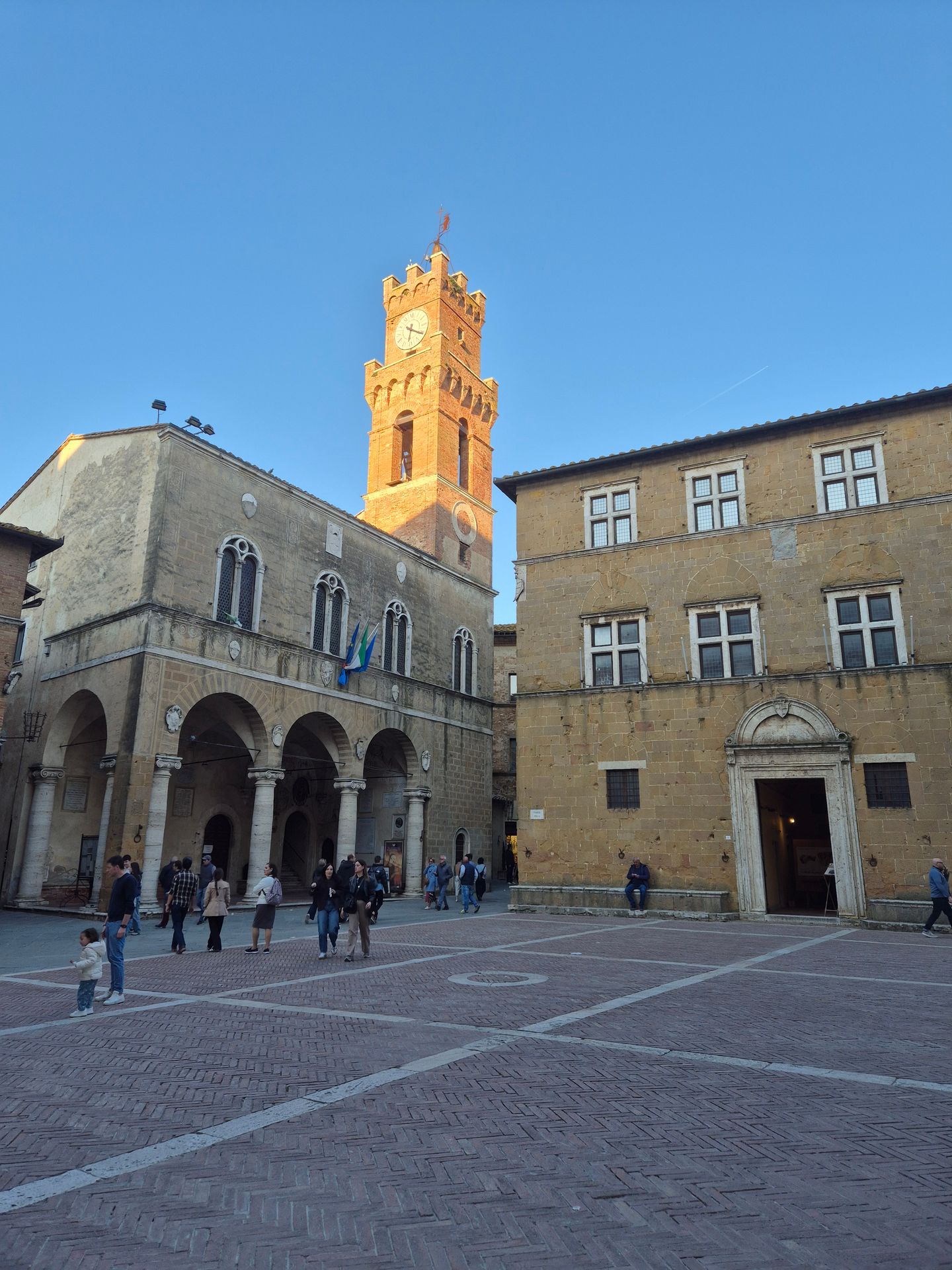
Cortona sits on a hill overlooking the Val di Chiana — technically outside Val d'Orcia, but close enough to include as a day trip if you're in the area. It's a beautifully preserved hilltop town with sweeping panoramic views, elegant piazzas, and a character that feels genuinely Tuscan rather than tourist-facing.
What to See
- Piazza della Repubblica🔗 — The lively heart of the town, perfect for a coffee and some people-watching.
- Basilica of Santa Margherita🔗 — A peaceful spot at the top of the hill with stunning views over the valley below.
💸 Free to enter
🕐 8:30 – 13:00 and 14:30 – 19:00
- City Walls — Walk the perimeter for panoramic views over Val di Chiana stretching into the distance.
👉 If you want to explore Cortona's history and hidden corners with a local guide, book a walking tour here 🔗 — the best way to discover stories and details you'd otherwise miss wandering on your own.
- Cortona Wine — Cortona has quietly built a reputation as one of Tuscany's most exciting wine areas — and it's still largely under the radar compared to Montalcino or Montepulciano. The area is particularly known for Syrah, which thrives exceptionally well in the local climate and volcanic soils — something quite unusual for Tuscany. The result is a bold, spicy, and deeply aromatic wine that surprises even seasoned wine lovers. The DOC Cortona denomination also includes excellent Sangiovese, Merlot, and white wines made from Chardonnay and Grechetto. If you enjoy wine, an evening aperitivo with a local Cortona Syrah on one of the town's terraces with views over Val di Chiana is a genuinely special experience.
👉 Several wine bars and enotece in the historic centre offer tastings by the glass — just walk in, ask what's open, and let them guide you. For a more structured experience, book a Cortona wine tasting here 🔗
🍽️ Where to Eat
Cortona Bistrot 🔗 — A charming, slightly chic spot in the heart of town. Not your typical rustic osteria, but a more refined experience — and a very good one. Worth a stop for lunch or dinner.
The Countryside & Iconic Views
The true magic of Val d'Orcia lies not in the towns but in the landscape between them. My advice: dedicate a late afternoon to driving between these viewpoints — the golden hour light on the rolling hills and cypress trees is simply extraordinary. Plan to be out from around 4 PM onwards and just follow the light.
These are the spots not to miss:
- Podere Belvedere 🔗 — The iconic Tuscan farmhouse image you've seen a thousand times. Even more beautiful in person, especially with the evening light.
- Panoramic View Cappella Vitaleta 🔗 — One of the most photographed spots in all of Tuscany. A tiny chapel framed by cypress trees against the rolling hills — impossibly photogenic.

- View Point Gladiator 🔗 — The legendary viewpoint used in Ridley Scott's Gladiator. Standing here at sunset, looking out over the rolling Tuscan hills, you'll understand exactly why they chose this spot.
- Cypress Road Viewpoint 🔗 — A stunning stretch of cypress-lined road, perfect for that classic Val d'Orcia shot.
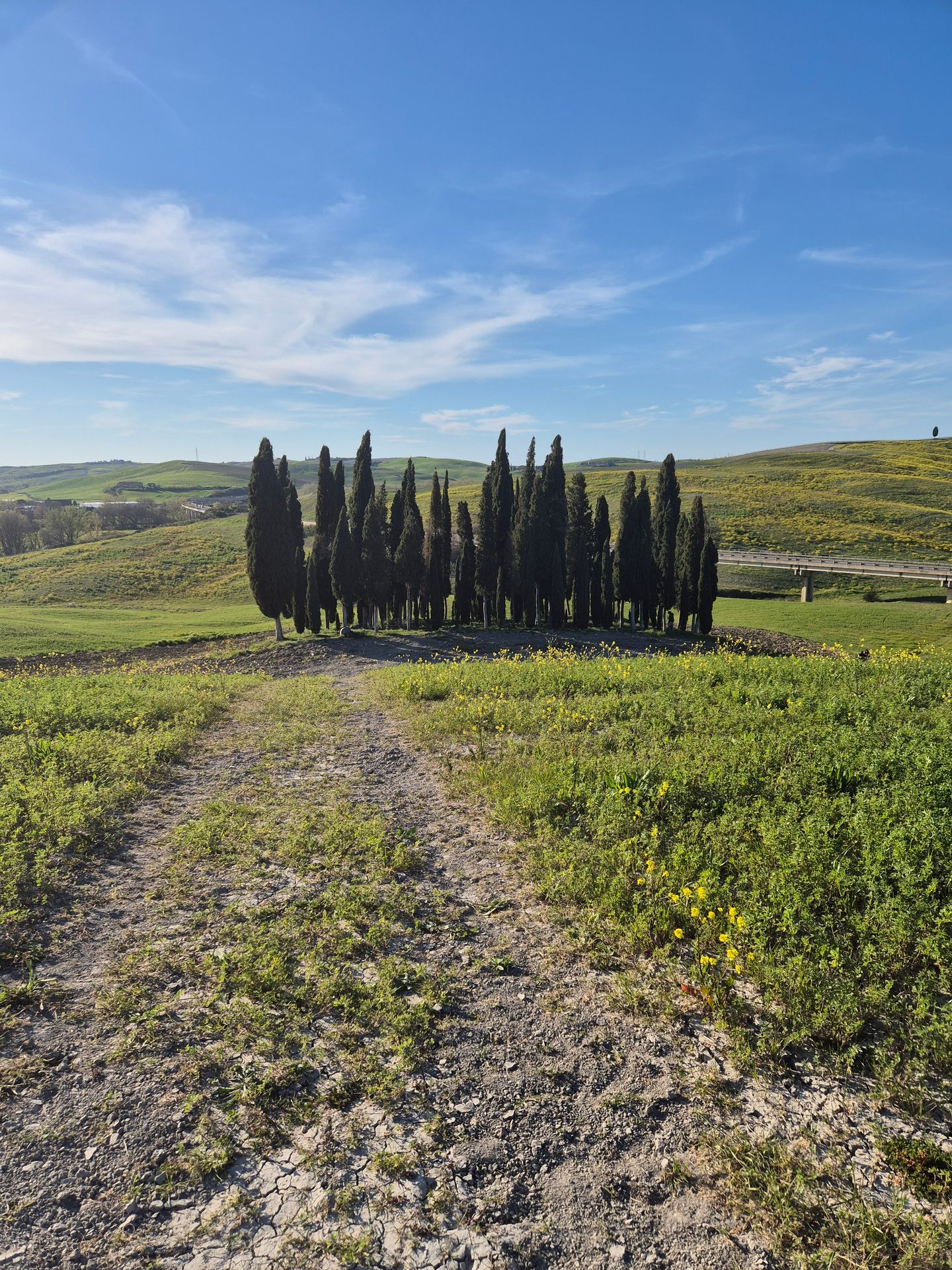
- Poggio Covili Viewpoint 🔗 — A lesser-known but beautiful viewpoint with sweeping panoramic views over the valley. Less crowded than the others and absolutely worth the detour.
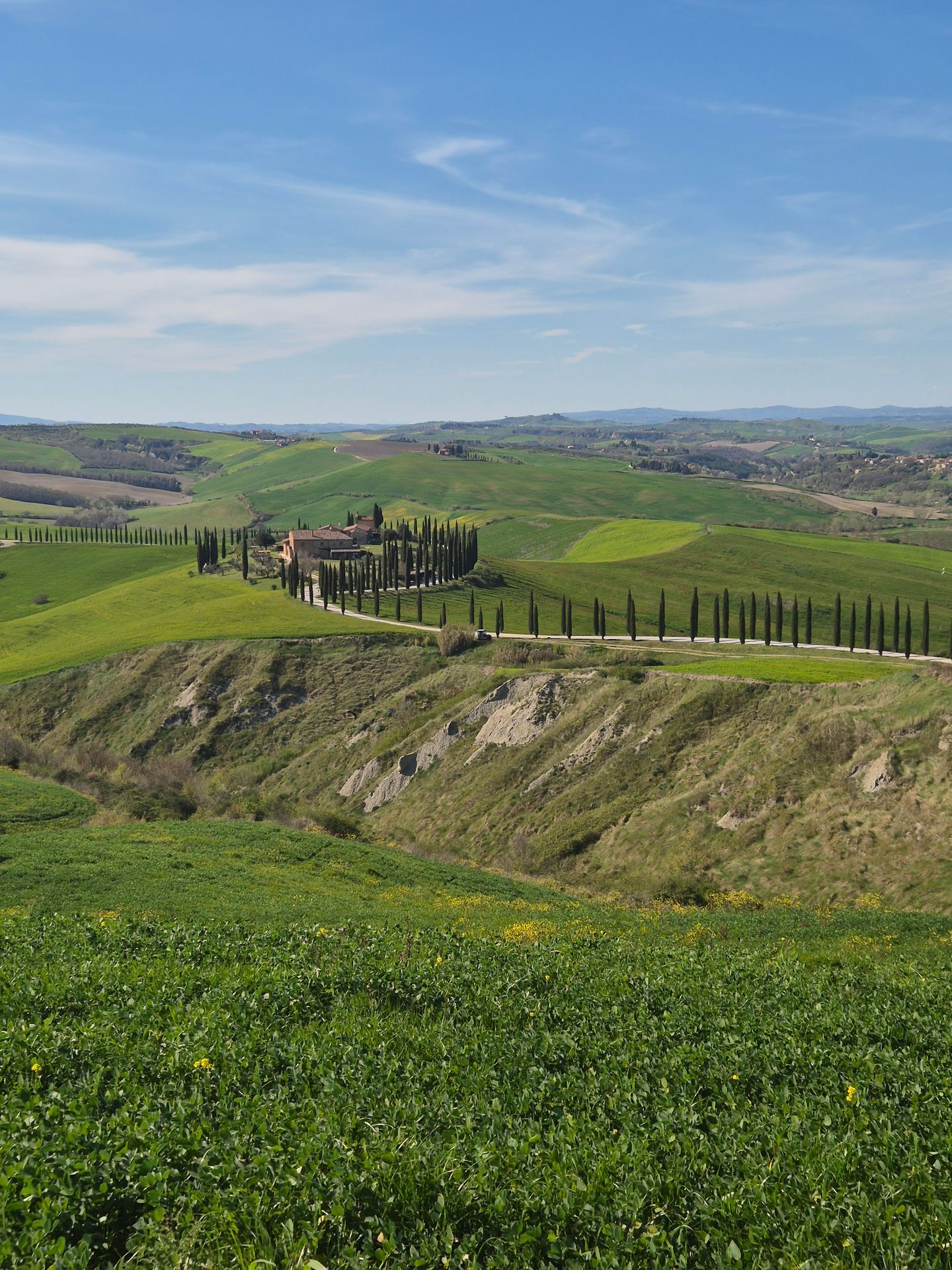
📸 All of these spots are best in late afternoon light — plan a slow drive connecting them all and let the sunset do the rest. It's one of the most beautiful drives in Italy.
✨ Val d'Orcia isn't about rushing from one attraction to another — it's about slowing down, driving without a plan, and soaking in the beauty around you. Give yourself at least 3 days to do it justice.
Related Articles
| Best Food in Sicily Italy |
| What to eat in Venice Italy |
| A local's travel guide for Alghero & Bosa Sardinia |