The Best Burgundy Itinerary


Burgundy travel guide
Planning the perfect vacation in Burgundy is both exciting and rewarding. This beautiful French region is dotted with charming villages, rolling vineyards, and centuries-old wine traditions. While Burgundy is known worldwide for its exceptional wines, it also offers picturesque landscapes, historic towns, and a relaxed countryside atmosphere.
In this guide, you’ll find a one-week Burgundy itinerary following the famous Route des Grands Crus, the region’s most iconic wine route. Along the way, you’ll discover must-see villages, stunning vineyard scenery, and recommendations for some of the best wineries to visit.
👉 Click here🔗 to check out the map of the itinerary.
Heads up: this page may include affiliate links. By clicking and/or purchasing, I may receive a small commission at no extra cost to you. I only recommend tools I have personally vetted.
Practical Information
Location
Located in Burgundy (Bourgogne), France this UNESCO-listed region sits in east-central France primarily between Dijon Beaune and Mâcon World-renowned for its prestigious "climats" Burgundy is defined by a patchwork of ancient vineyards historic Cistercian abbeys and charming stone villages. It is a destination where terroir history and refined gastronomy are the main focus.
Transportation & Exploration
✈️ By Plane: The closest major international hub is Paris Charles de Gaulle (CDG) or Lyon-Saint Exupéry (LYS) From Paris you can take a high-speed TGV train to Dijon or Beaune in about 1.5 to 2 hours.
👉 You can book your plane ticket here🔗
🚗 By Car: Burgundy is best explored by car to reach the remote wine estates and hidden châteaux along the Route des Grands Crus While the main towns are connected by rail a car gives you the freedom to stop at roadside tastings and rural bistros.
👉 You can book your car on Booking🔗 or on Rentalcars🔗
🚶♂️ On Foot: Once you reach the center of Beaune or small villages like Meursault and Gevrey-Chambertin walking is the perfect way to soak in the atmosphere The compact streets are filled with wine cellars and boutique shops.
🚆 By Train: Efficient regional trains (TER) connect Dijon Beaune and Chalons-sur-Saône making it possible to travel between the larger hubs without a vehicle.
⚠️ Schedules for smaller village stations can be sparse so checking times in advance is essential
🍷 Guided Tours: If you want to sample the famous Pinot Noir and Chardonnay without worrying about driving guided tours from Dijon or Beaune are highly recommended. They provide access to private cellars and expert knowledge of the complex vineyard classifications.
👉 From Paris: Burgundy Day Trip with Wine Tasting🔗
👉 Dijon: Côte de Nuits Private Wine Tour🔗
👉 Beaune: Cycle through the Vineyards🔗
Weather
Burgundy has a semi-continental climate where the changing seasons deeply impact the rhythm of vineyard life and the dining table.
☀️ Summer (June – August): Temperatures typically range from 18°C to 28°C The days are long and sunny making it ideal for cycling through the vineyards though popular spots like Beaune can get quite busy.
🍂 Autumn (September – November): This is the most iconic time to visit with temperatures between 8°C and 18°C The vine leaves turn a brilliant gold—giving the Côte d’Or its name—and the air is filled with the excitement of the "vendange" (harvest).
❄️ Winter (December – February): A quiet season with temperatures from 1°C to 7°C While it can be chilly and grey it is the perfect time for intimate cellar tastings and enjoying hearty regional dishes like coq au vin by a roaring fire.
🌸 Spring (March – May): Nature wakes up with temperatures rising from 9°C to 17°C The hillsides turn lush green and it is a wonderful period to explore the Abbey of Fontenay or the streets of Dijon before the summer crowds arrive.
✨ Why Fall is My Top Pick
I highly suggest visiting during the Autumn months, specifically late September or October. The visual spectacle of the golden vineyards is unmatched and the region feels most alive during the harvest festivals. It is the ultimate season for food lovers to experience the true soul of French viticulture.
Accommodation
When it comes to accommodation in Burgundy, you’ll find plenty of charming options that perfectly match the region’s relaxed countryside atmosphere. Many travelers choose to stay in small boutique hotels, historic guesthouses, or traditional chambres d’hôtes located in picturesque wine villages.
Staying in towns like Beaune, Dijon, or in one of the villages along the Route des Grands Crus allows you to be close to the vineyards while enjoying excellent restaurants and wine bars. A couple of options below:
- Poilly-sur-Serein: Le Moulin de Poilly 🅱️ Booking 🔗🦉 Tripadvisor 🔗
- Dijon: Hôtel République 🅱️ Booking 🔗 🦉 Tripadvisor 🔗
- Beaune: Ibis Beaune Centre 🅱️ Booking 🔗 🦉 Tripadvisor 🔗
✨ For a more authentic experience, consider a countryside estate or a vineyard guesthouse, where you can wake up surrounded by rolling vineyards and sometimes even enjoy on-site wine tastings.
Burgundy itinerary
Dijon
The Route des Grands Crus is traditionally divided into two main sections:
- Côte de Nuits: It stretches from Dijon to Corgoloin and is renowned for producing some of the greatest red wines in the world. This prestigious area is home to 24 of Burgundy’s 33 Grand Cru vineyards, including legendary names such as Romanée-Conti, Clos de Vougeot, and Chambertin.
- Côte de Beaune: It runs from Corgoloin through Beaune and continues south to Santenay. This area is famous for producing some of the finest dry white wines on the planet, including iconic appellations like Corton-Charlemagne, Meursault, and Montrachet.
We began our itinerary in Dijon, the historic capital of Burgundy.
⚠️ One full day is enough to explore its charming old town, lively markets, and impressive architecture before setting off along the wine route.
Top things to see in Dijon:
- Palace of the Dukes of Burgundy: One of the city’s most important landmarks and the former residence of the powerful Dukes of Burgundy. The palace now houses the Musée des Beaux-Arts de Dijon, one of France’s oldest and most impressive art museums.
🕒 10:00 - 18:30 (Closed on Tuesdays)
💵 Free (for the museum)
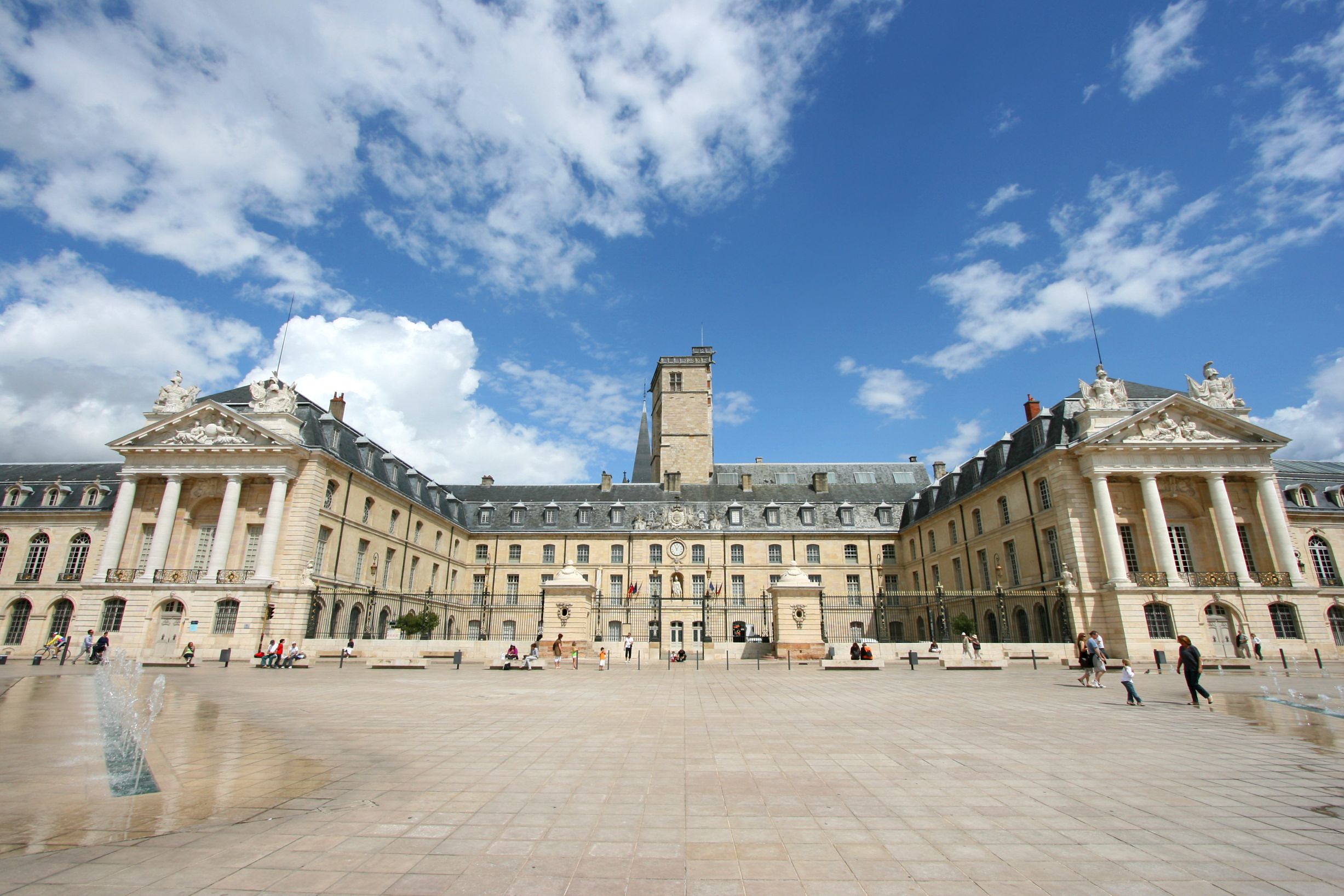
- Parcours de la Chouette (Owl’s Trail): A self-guided walking route marked by small owl symbols embedded in the streets that leads visitors through Dijon’s main attractions, historic squares, and medieval houses.
- Notre-Dame de Dijon: A beautiful Gothic church famous for its detailed façade and the small owl sculpture on its wall, which locals say brings good luck if you touch it with your left hand.
🕒 08:00 - 19:00
💵 Free
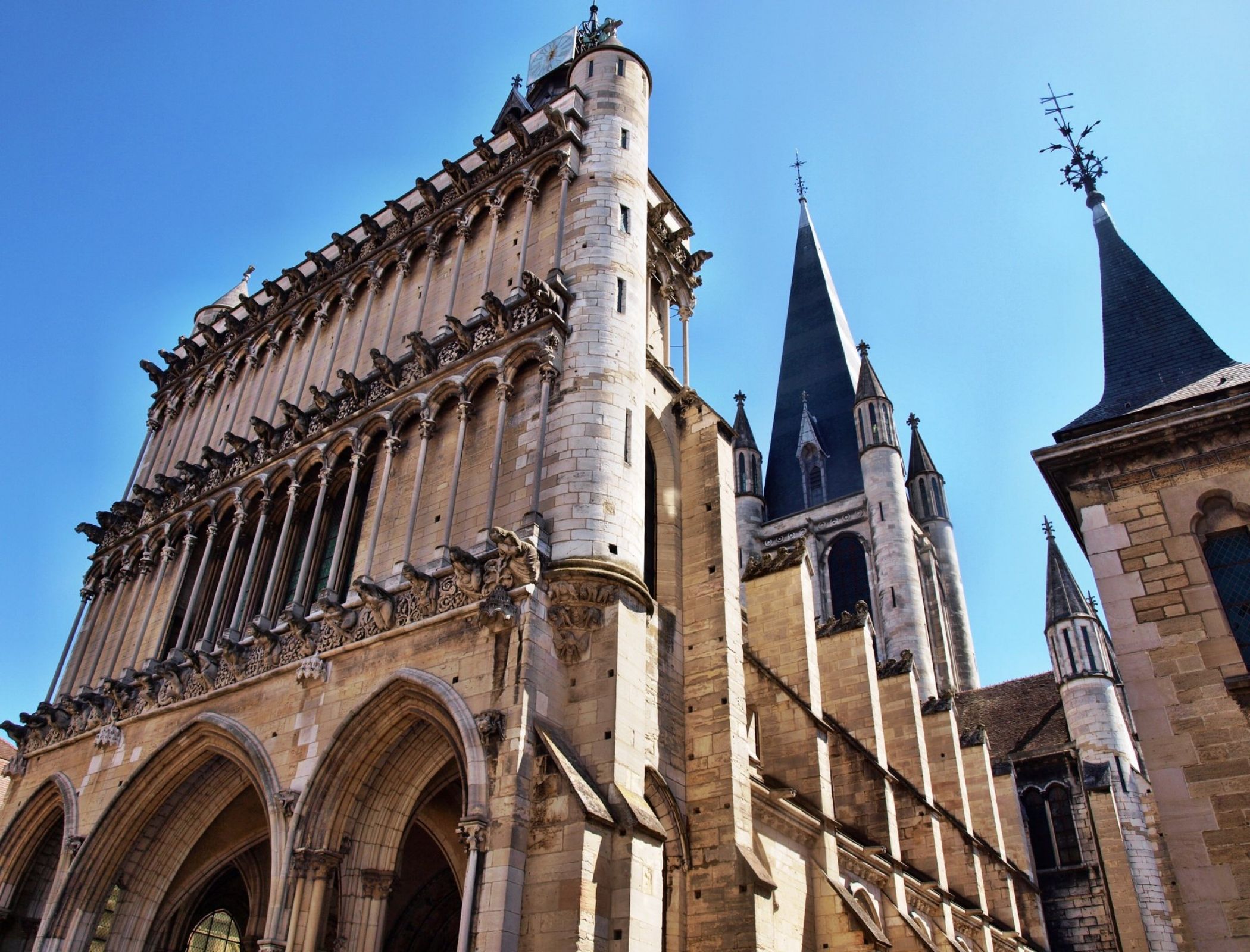
- Les Halles de Dijon: Dijon’s lively covered market, perfect for tasting local specialties like Burgundy cheeses, pastries, and the city’s famous mustard.
🕒 07:30 - 13:00 (Tuesday, Thursday, Friday, and Saturday only)
💵 Free entrance
- Rue des Forges: One of the most picturesque streets in Dijon, lined with elegant buildings, boutiques, and cafés.
🍽️ Dijon is not only the historic capital of Burgundy but also one of France’s great culinary destinations. The city is famous for its gastronomy, combining traditional Burgundian recipes with high-quality local products such as mustard, wine, and regional pastries. While exploring the historic center, make sure to stop at a few local spots to taste authentic flavors of the region.
Where to eat and what to try in Dijon:
- L'Age de Raisin🔗: A charming and intimate restaurant serving traditional French and Burgundian cuisine at affordable prices. It’s a great place to try classic regional dishes paired with local wines.
- Mulot & Petitjean - Bossuet🔗: A historic shop famous for its traditional sweets. Don’t miss the pain d’épices, a spiced gingerbread that is a true specialty of Dijon.
- Maille Dijon mustard🔗: Mustard is one of Dijon’s most famous products, and this boutique is the perfect place to taste and buy the original. You’ll find a wide selection of flavors and even fresh mustard served from the tap.
Côte de Nuits
The first section of the Route des Grands Crus is the Côte de Nuits, a legendary wine region famous for producing some of the finest Pinot Noir wines in the world. This area stretches south from Dijon and is home to many prestigious Grand Cru vineyards and historic wine villages.
The main stops along this part of the route include:
- Gevrey-Chambertin🔗: One of the most prestigious wine villages in Burgundy, renowned for producing powerful and elegant red wines from its famous Chambertin Grand Cru vineyards.
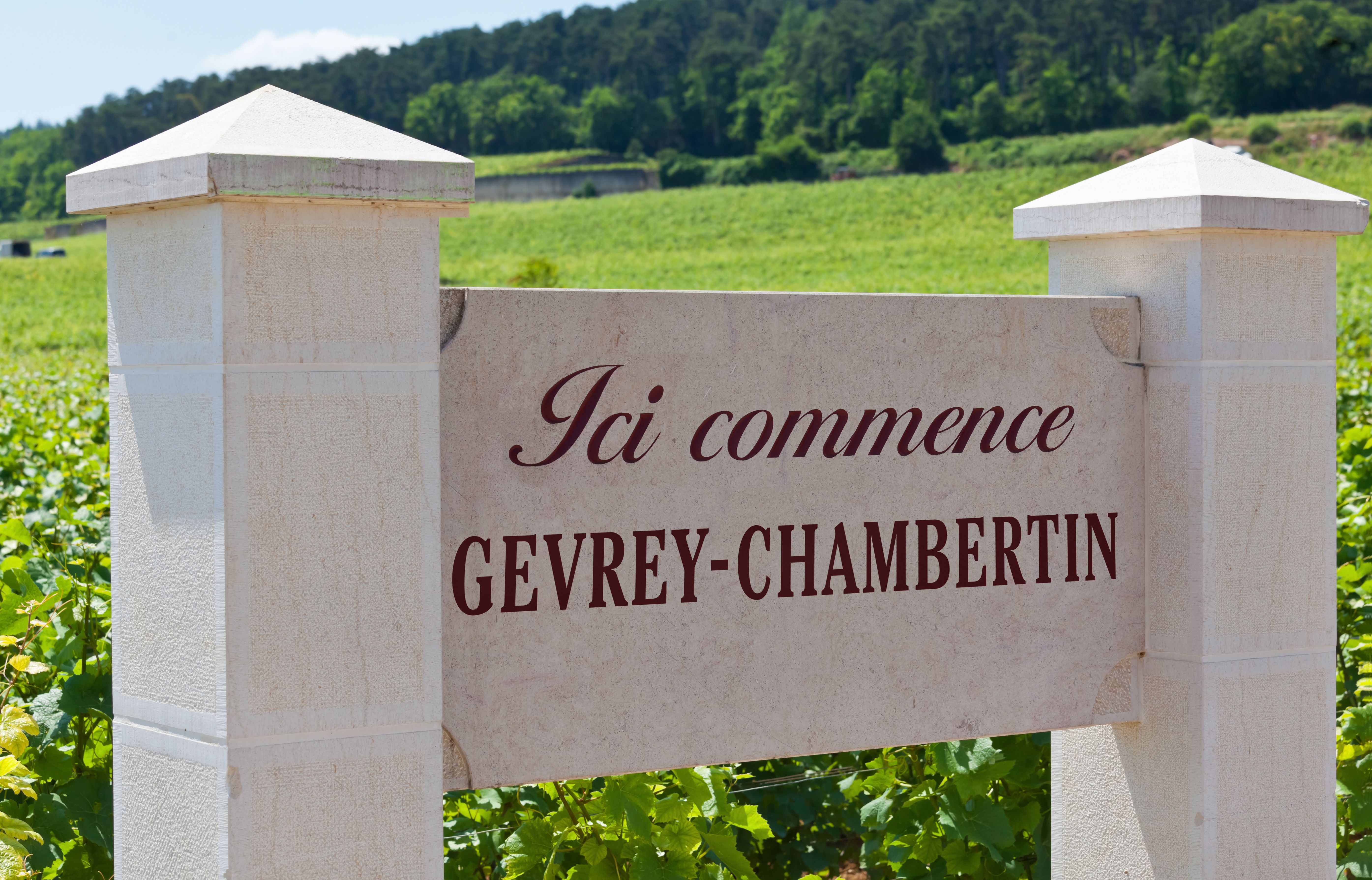
- Vougeot🔗: A small but iconic village best known for its historic vineyard landscape and its connection to some of Burgundy’s most prestigious wines.
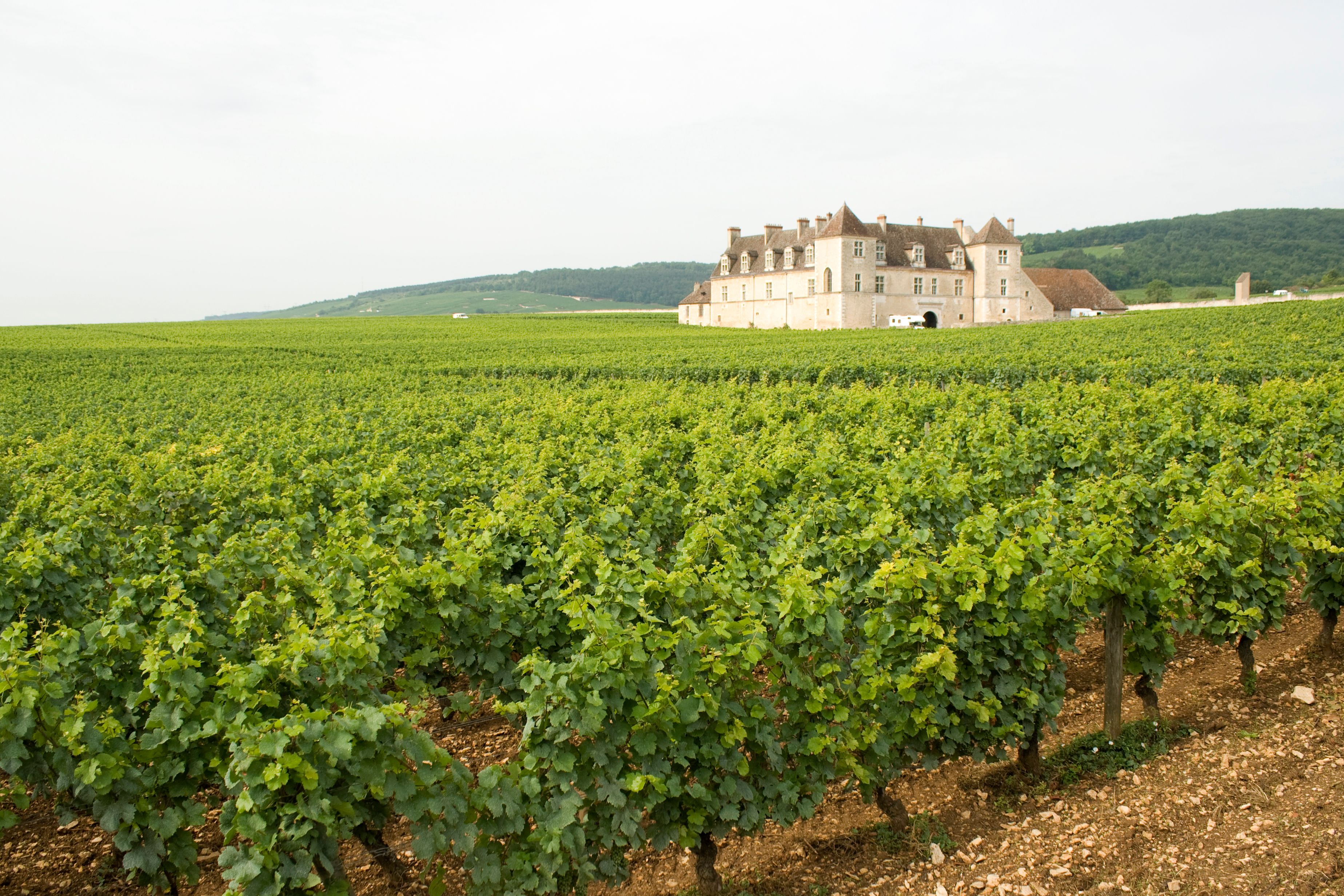
- Domaine Romanée Conti🔗: One of the most famous wine estates in the world. The surrounding vineyards are classified as Grand Cru and are entirely owned by the domaine. Thanks to a unique combination of soil, climate, and centuries-old winemaking tradition, this area produces some of the most sought-after wines on the planet—bottles that can easily reach €10,000 or more. Even if you cannot visit the estate itself, it’s worth stopping by to see the legendary vineyards.

- Nuits-Saint-Georges🔗: A charming town known for its elegant red wines and vibrant cellar culture. Perfect for tasting sessions and exploring local wine shops.
- Aloxe-Corton🔗: Famous for its Grand Cru vineyards, including the iconic Corton hill, producing both exceptional red and white wines.
- Pernand-Vergelesses🔗: Slightly south, this village marks the beginning of Côte de Beaune. Known for its stunning white wines, it’s a peaceful spot to explore after the red-focused Côte de Nuits.
🍷If I had to pick one winery along the Côte de Nuits, Henri de Villamont🔗 would be it. I loved their guided cellar tour, which gives a fascinating insight into traditional Burgundy winemaking. The experience finishes with a tasting of six exceptional wines, making it a perfect combination of learning and tasting.
👉 You can check the visits and book your spot on their website🔗.

Côte de Beaune
Continuing south along the Route des Grands Crus, you enter the Côte de Beaune, one of the most famous wine regions in Burgundy. While the Côte de Nuits is known primarily for its powerful red wines, the Côte de Beaune is especially renowned for producing some of the finest dry white wines in the world, made mainly from the Chardonnay grape.
✨ Beyond its exceptional wines, the Côte de Beaune is also known for its picturesque villages, historic wineries, and beautiful vineyard landscapes. Driving through this part of Burgundy is a real pleasure, with rolling hills covered in vineyards and charming towns that are perfect for stopping, tasting wine, and enjoying the relaxed atmosphere of the region.
Below the itinerary:
- Beaune🔗: It’s definitely worth spending some time in the city, as it has a charming and authentic atmosphere. I recommend visiting the Basilique Collégiale Notre-Dame, a beautiful historic church with stunning architecture.
🍽️ For food lovers, I also suggest stopping by Alain Hess Cheesemonger🔗, a delightful cheese shop where you can sample and buy some of the finest traditional French cheeses—perfect for a picnic in the vineyards or taking home as a souvenir.

- Chassagne-Montrachet🔗: Famous for its white wines, particularly Chardonnay, this village is a must-stop for wine lovers exploring the Côte de Beaune.
- Puligny-Montrachet🔗: Home to some of Burgundy’s most iconic white wine vineyards, including Montrachet. A beautiful village to stroll through while tasting exceptional wines.
- Saint-Romain🔗: A charming and quieter village offering excellent white and red wines, with lovely vineyard views.
- Orches🔗: A small and peaceful village known for its traditional vineyards, perfect for a scenic stop along your wine route.
🍷 Below you find my personal wineries for this area:
- Château de la Crée🔗: I highly recommend visiting this charming winery. Tastings are very affordable—around €25 for five wines—and the staff is exceptionally welcoming, making the experience both enjoyable and informative.
- Château De Pommard🔗: This historic château offers a delightful combination of wine tasting and guided tours. We booked our visit directly on their website, and they provide several types of tours—including options in English—so you can explore the cellars, vineyards, and winemaking process at your own pace. It’s a must-visit for anyone wanting an authentic Burgundy wine experience.

- Autun🔗: A historic town known for its Roman ruins, medieval architecture, and the impressive Autun Cathedral. A great stop for history lovers.
- Saulieu🔗: A quaint village famous for its traditional gastronomy, including restaurants serving classic Burgundian cuisine.
- Avallon🔗: A picturesque medieval town perched on a hill, offering stunning views of the surrounding countryside and a charming historic center.
- Vézelay🔗: Known for the Basilique Sainte-Marie-Madeleine, a UNESCO World Heritage site, and its vibrant artist community. A must-see for culture and history enthusiasts.
- Auxerre🔗: A lively town on the banks of the Yonne River, with a beautiful old town, Gothic churches, and plenty of cafes and shops to enjoy a relaxed afternoon.


- Chablis🔗: Wander through this charming wine town, explore its quaint streets, and enjoy tastings of the region’s famous crisp white wines while learning about the local winemaking traditions.
🍷 In Chablis, we visited Céline et Frédéric Gueguen🔗 to taste the region’s famous wines. While the tasting room is located in town and not at the vineyard itself, it’s a fantastic opportunity to sample a wide range of Chablis wines. The staff is knowledgeable and takes the time to explain each wine, making it an educational and enjoyable experience.
- Noyers-sur-Serein🔗: A picturesque medieval village with cobbled streets, half-timbered houses, and charming squares. It’s perfect for a leisurely stroll and a taste of authentic Burgundy village life.

- Semur-en-Auxois🔗: A picturesque medieval town with cobbled streets, timber-framed houses, and a stunning riverside setting—perfect for a leisurely stroll and soaking in authentic Burgundy charm.

- Flavigny-sur-Ozerain🔗: A beautifully preserved medieval village famous for its aromatic anise candies, charming streets, and historic architecture—ideal for a peaceful walk through Burgundy’s history.

- Châteauneuf-en-Auxois🔗: A stunning hilltop village dominated by its medieval castle, offering panoramic views of the surrounding countryside and charming streets lined with historic stone houses.
🍽️ I also recommend the restaurant Les Terrasses du Moulin🔗. Here, you can enjoy authentic French cuisine at very reasonable prices, with a charming atmosphere that perfectly complements the village’s medieval setting.

Planning a perfect day trip doesn't have to be overwhelming. By following these steps and considering your preferences, you can create an unforgettable experience. So, pack your bags, choose your destination, and get ready for an adventure!
Related Articles
| Best restaurants in Catania Italy |
| Best Food in Sicily Italy |
| A Local's Guide: Best Food in Turin Italy |