10 Best Things to Do in Iceland in Winter: The Complete Guide


Iceland in winter feels like another planet — snow-covered lava fields, glowing ice caves, and the Northern Lights dancing overhead. Short days and freezing temperatures might sound intimidating, but they're exactly what make winter the most magical season to visit: fewer crowds, dramatic frozen landscapes, and the best aurora visibility of the year.
This guide covers the 10 essential experiences for a winter trip to Iceland, from the classic Golden Circle to hidden ice caves beneath Vatnajökull glacier. Wherever there's more to say, I've linked to my full in-depth guides.
Heads up: this page may include affiliate links. By clicking and/or purchasing, I may receive a small commission at no extra cost to you. I only recommend tools I have personally vetted.
Practical Information
Getting There
✈️ By Plane: Fly into Keflavík International Airport (KEF), about 50 km (31 miles) from Reykjavík.
👉 You can book your flight here🔗
🚗 By Car: Renting a car is the best way to explore Iceland's scenic routes — the Golden Circle, the South Coast, and beyond. In winter, make sure to rent a vehicle suited for icy roads, and always check road conditions before heading out.
⚠️ Weather changes fast in winter — roads can turn icy and storms can cause closures, especially in rural areas. Always check vedur.is🔗 for forecasts and road.is🔗.
👉 I usually book my car rental through Rentalcars🔗 or Booking.com🔗 — lately, Booking has been coming out cheaper.
🚌 No car? Use a tour operator: Public transport is limited outside Reykjavík, but guided tours cover all the highlights on this list — a solid option if you'd rather not drive on icy roads.
Weather
Iceland has a subarctic climate, milder than you'd expect thanks to the Gulf Stream — but winter still means short days and unpredictable conditions.
❄️ Temperatures: -1°C to 4°C (30°F to 39°F) along the coast, colder inland.
🌑 Daylight: Only 4–6 hours per day at the peak of winter.
🌨️ Expect frequent snow, icy conditions, and strong winds — but also the best chances of the year to see the Northern Lights.
Money
Iceland is an expensive destination, from accommodation to dining out. Even supermarkets are pricey, so it's worth packing some food in your luggage.
👉 I opted for guesthouses with kitchen facilities to cook my own meals instead of eating out every night. Expect around €50–60 for a typical dinner and €20 for breakfast if you do eat out.
Accommodation
I based myself outside the city center as much as possible, to maximize my chances of catching the Northern Lights.
- Luxury: Umi Hotel 🅱️Booking🔗 🆃Trip🔗 🅴Expedia🔗
- Mid-range: Drangshlid Hotel by Tröll 🅱️Booking🔗
- Budget/My pick: Stóra-Mörk III Guesthouse 🅱️Booking🔗 🆃Trip🔗 🅴Expedia🔗 & Old Cottage - Reynivellir II 🅱️Booking🔗 🆃Trip🔗 🅴Expedia🔗
👉 I highly recommend Stóra-Mörk III Guesthouse — incredibly cozy, and where I was staying when the aurora finally showed up. Can't recommend it enough.
1 — Chase the Northern Lights
No winter trip to Iceland is complete without the Aurora Borealis. Visible from late September to early April, away from city lights, the best spots include Þingvellir National Park, the Snæfellsnes Peninsula, and the area around Vík. Download the Aurora app — it's surprisingly accurate and sends notifications when the lights are active near you.
👉 Read the full guide to finding the Northern Lights in Iceland 🔗 for the best viewing spots, timing, and guided tours

2 — Drive the Golden Circle
Iceland's classic day-trip route from Reykjavík covers three iconic sites: Þingvellir National Park, where the North American and Eurasian tectonic plates meet; the Geysir Geothermal Area, where the Great Geysir erupts roughly every 10 minutes; and Gullfoss Waterfall, a dramatic two-stage cascade known as the "Golden Waterfall."
👉 Read the full Golden Circle winter guide 🔗 for a detailed breakdown of all three stops, or book a guided tour from Reykjavik🔗

3 — Chase Iceland's Frozen Waterfalls
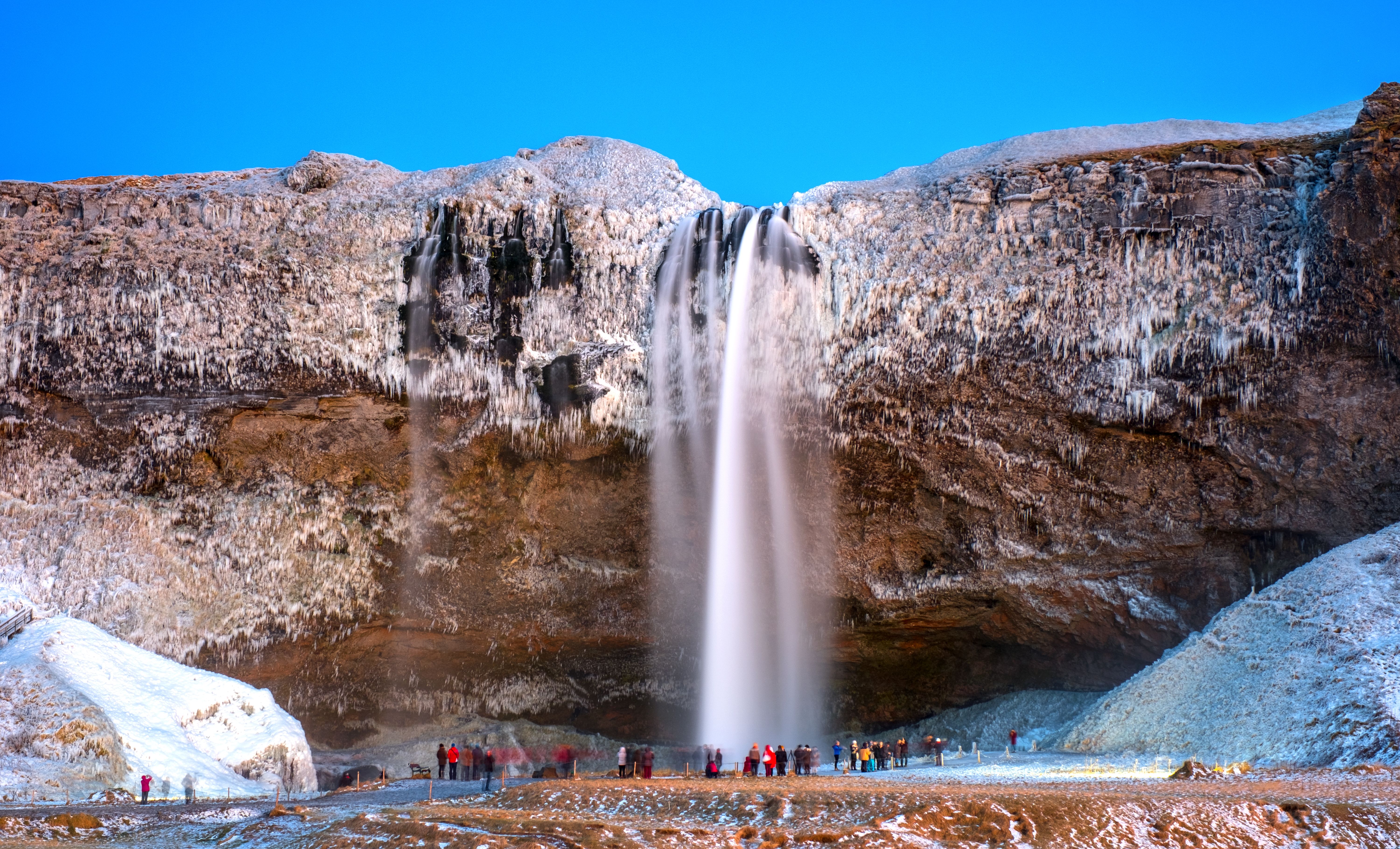
From Seljalandsfoss, famous for the trail behind its curtain of water (closed in winter for safety), to Skógafoss, a 60-metre wall of falling water, and Kirkjufellsfoss on the Snæfellsnes Peninsula — one of the most photographed spots in the country — Iceland's waterfalls take on a completely different character once the spray starts to freeze.
✨ Don't miss Svartifoss in Vatnajökull National Park either — framed by dramatic basalt columns that inspired Icelandic architecture.
⚠️ In winter, trails to the waterfalls can be icy. Crampons are worth renting at the local tourist information centres.
👉 Read the full guide to Iceland's best winter waterfalls 🔗 for access, timing, and tour options
4 — Walk the Black Sands of Reynisfjara Beach
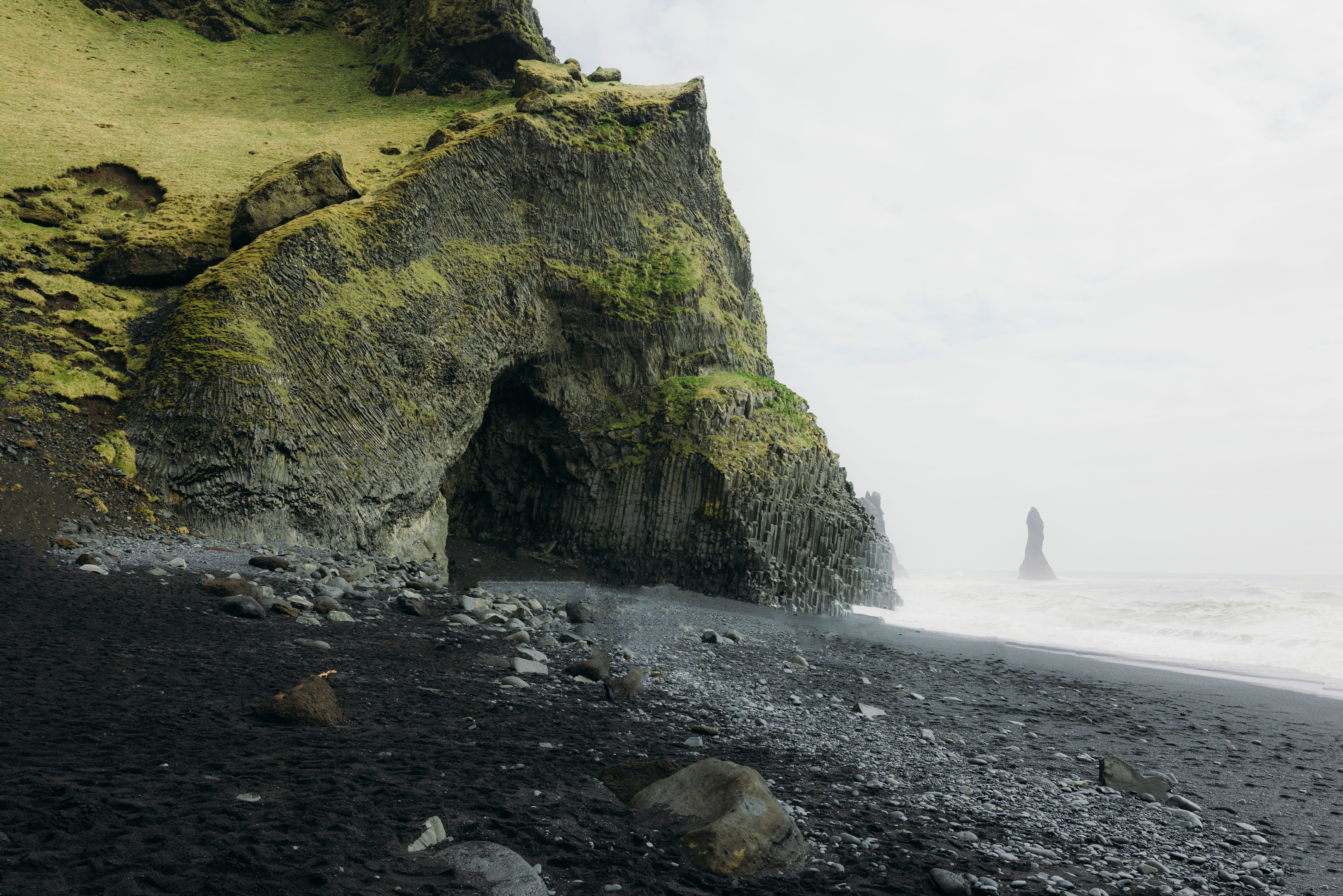
Near the town of Vík, Reynisfjara is a dramatic black sand beach known for its basalt columns and towering sea stacks, the Reynisdrangar. The Atlantic waves here are powerful and unpredictable — stay well back from the shoreline and watch for sneaker waves. The higher viewpoint road is closed in winter, adding about an hour on foot if you want to reach it.
👉 If you're not driving, this South Coast tour from Reykjavik🔗 stops here along with several other highlights
5 — Hike Svínafellsjökull Glacier
Part of the vast Vatnajökull Glacier, Svínafellsjökull is a dramatic landscape of ice formations, deep crevasses, and vivid blue ice — familiar if you've seen Interstellar or Game of Thrones, both filmed here. You can park (location🔗) and walk a short distance to admire it, or join a guided glacier hike for a closer look.
👉 Guided glacier hikes: Skaftafell Ice Cave Tour and Glacier Hike🔗 or Skaftafell Ice Climbing & Glacier Hike🔗

6 — Spot Icebergs at Diamond Beach
Right across the road from Jökulsárlón Glacier Lagoon, Diamond Beach is a stretch of black sand scattered with glistening icebergs that have washed ashore from the lagoon — a striking contrast against the dark sand. No two visits look the same, since the ice formations shift constantly with the tide.
👉 Combine it with the lagoon on this Glacier Lagoon and Northern Lights tour from Reykjavik🔗

7 — Step Inside the Blue Crystal Ice Cave
Beneath the Vatnajökull Glacier, this natural ice cave glows with vivid blue hues created by years of compressed ice — one of the most surreal things you'll see in Iceland. Access is only possible through a guided tour, and only from November to March, when conditions make it safe.
👉 Read the full Blue Crystal Ice Cave guide 🔗 for tour options, timing, and what to expect.

8 — Soak in a Geothermal Lagoon
Winter is the best time to soak in Iceland's geothermal waters — snow falling around you while you stay warm in mineral-rich hot water is one of those experiences you won't forget. Blue Lagoon is the most famous option, but it's also the most expensive and the most crowded.
⚠️ Honestly, I don't think Blue Lagoon justifies its steep entrance fee — around €90 (€100 if you go in the morning). It's still a great experience if the price isn't a concern, and it's about 1 hour from Reykjavík.
👉 You can also book a transfer to Blue Lagoon here🔗
9 — Try Icelandic Food and Local Markets
Between stops, take the time to try Icelandic specialties — from hearty lamb soup to fresh langoustine and skyr. Reykjavík's food halls and small-town cafés are the easiest way to warm up between winter excursions, and a good excuse to slow the itinerary down.
10 — Watch the Sunrise Over a Frozen Landscape
With only 4–6 hours of daylight in the depths of winter, sunrise and sunset stretch out for what feels like an hour of golden light. Plan at least one morning around it — the glow over snow-covered lava fields or a glacier lagoon is one of the most beautiful sights in Iceland, and far easier to catch here than almost anywhere else in the world.
Iceland in winter rewards those willing to brave the cold — glowing ice caves, thundering waterfalls, and the Northern Lights overhead make every day feel like an adventure. Pack warm, plan around the daylight hours, and let the island's raw winter beauty do the rest.
Related Articles
| How to Find the Northern Lights in Iceland: Best Spots & Tips |
| Best Waterfalls to Visit in Iceland During Winter |
| Blue Crystal Ice Cave in Iceland: Everything You Need to Know |